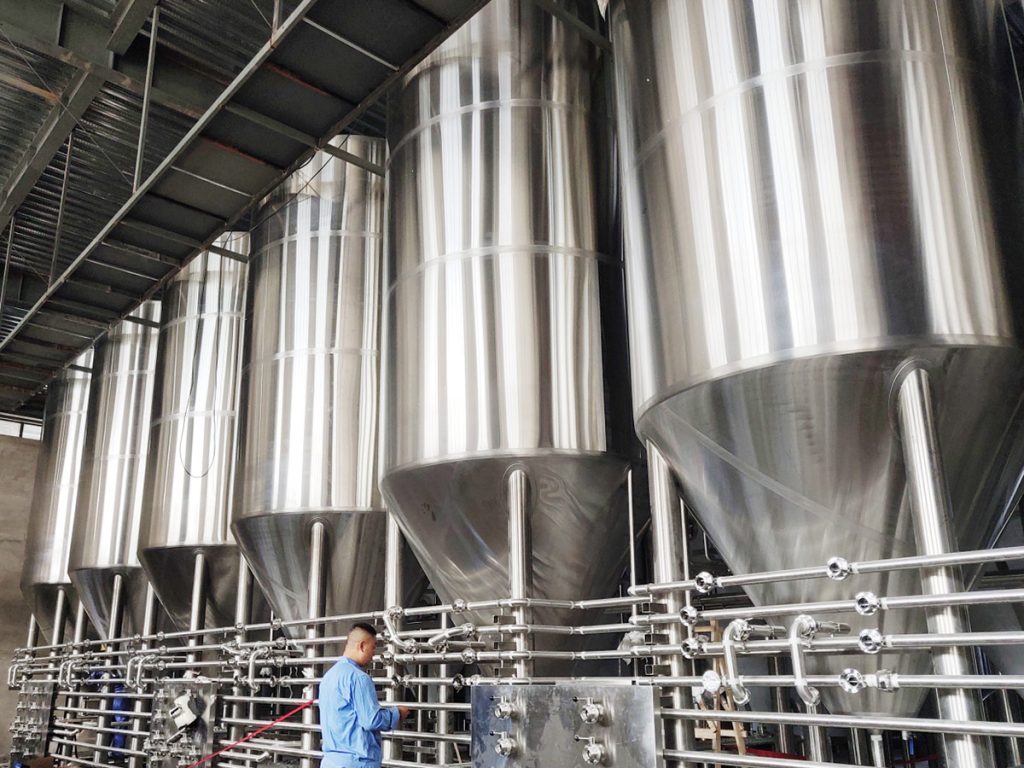
Fermentation is where beer truly comes to life. After the wort leaves the brewhouse, yeast takes over. Temperature, pressure, and time work together to create flavor, aroma, and alcohol. For large craft breweries, this stage is too important to leave to chance.
That is why choosing the best conical fermenter is a critical decision. The right tank improves beer quality, reduces waste, and makes daily operations easier. The wrong tank can lead to inconsistent batches, cleaning problems, and higher costs.
In this guide, we explain what makes the best conical fermenter for commercial production. We also show how SKE designs beer brew equipment that meets the needs of large craft breweries. Whether you are expanding or upgrading, this information will help you make a smart choice.
What Is a Conical Fermenter?
A conical fermenter is a tank with a cone-shaped bottom. During fermentation, yeast and sediment settle into this cone. Brewers can then remove them through a valve at the bottom.
This design offers clear advantages over flat-bottom tanks. You can harvest yeast for future batches. You can remove trub without moving the beer. You can also clean the tank more easily.
For large craft breweries, the conical shape is not a luxury. It is a practical tool that saves time and improves consistency. Many brewers agree that the best beer fermenter has a conical bottom, stainless steel construction, and reliable cooling.
At SKE, our conical fermenters are built with these features in mind. We focus on durability, sanitation, and ease of use.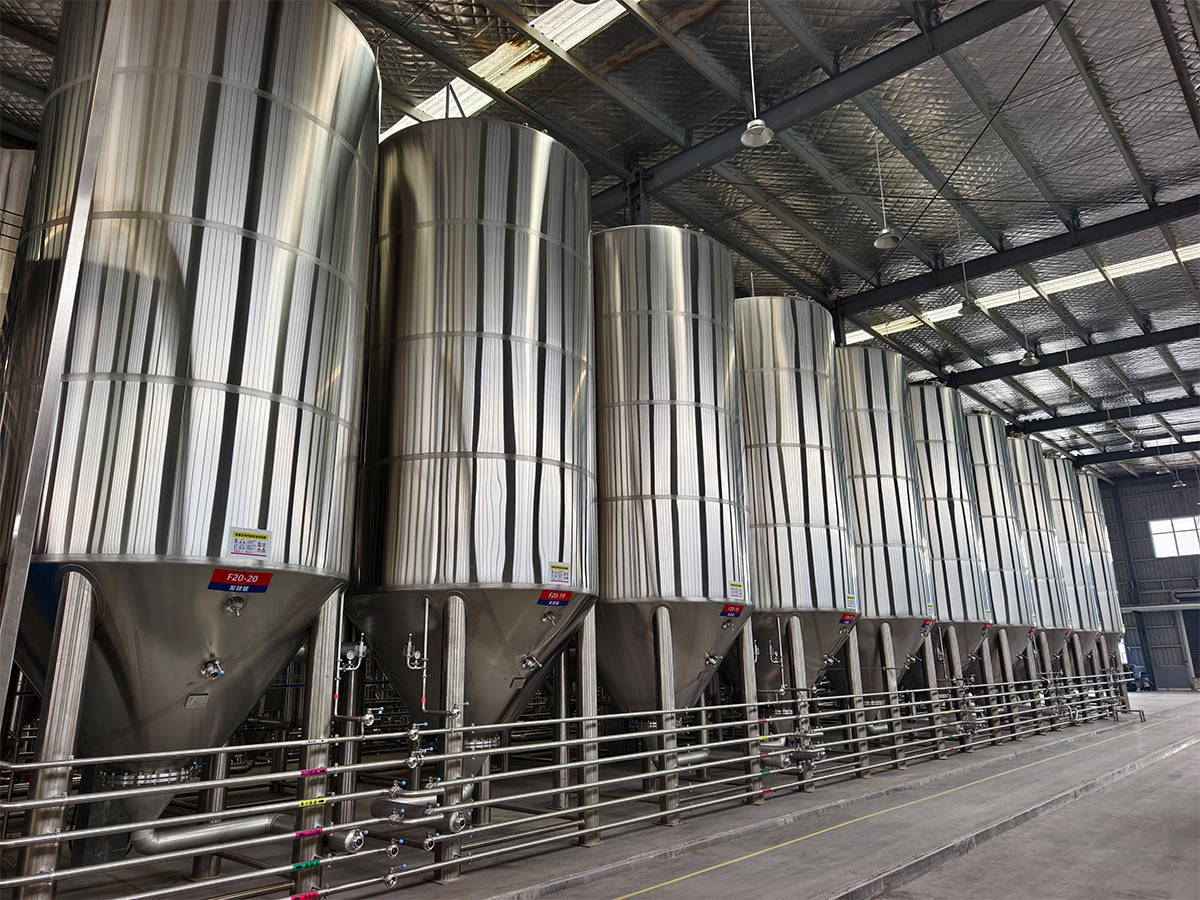
Why Stainless Steel Is the Standard
When choosing a conical fermenter, the material matters. Most commercial tanks use stainless steel. This is because steel is strong, easy to clean, and does not react with beer.
Plastic tanks are cheaper, but they have problems. They scratch easily. Bacteria can hide in scratches. Plastic can also absorb odors and flavors over time. This is not acceptable for professional brewing.
Stainless steel does not have these issues. It provides a smooth, non-porous surface. It resists corrosion. It also blocks oxygen, which helps keep beer fresh longer.
For these reasons, stainless steel is the clear choice for beer brew equipment in professional settings. SKE uses high-grade 304 stainless steel for all our fermenters. We also offer 316L for breweries that need extra corrosion resistance.
Key Features of the Best Conical Fermenter
What makes a fermenter the best conical fermenter for your brewery? The answer depends on your production needs. However, several features are important for all large craft breweries.
Below is a quick comparison of essential features to evaluate.
| Feature | Basic Fermenter | Professional Fermenter (SKE) |
|---|---|---|
| Material | 304 stainless steel | 304 or 316L stainless steel |
| Surface finish | Standard polish | High-polish, sanitary finish |
| Cooling | Single jacket | Dual or segmented cooling jackets |
| Insulation | Thin or none | Thick PU foam (reduces condensation) |
| Pressure rating | Atmospheric only | Up to 1.5 bar (supports closed transfer) |
| CIP system | Manual spray ball | 360° rotating CIP spray ball |
| Cone angle | 60° | 60°–70° for better yeast collection |
| Yeast valve | Basic butterfly valve | Sanitary sampling and yeast dump valve |
This table shows that the best beer fermenter is more than just a steel tank. It includes thoughtful design details that make brewing easier and more consistent.
Temperature Control: A Non-Negotiable Feature
Temperature is one of the most critical factors in fermentation. Different yeast strains work best at specific temperatures. If the temperature changes too much, the beer can develop unwanted flavors.
The best conical fermenter includes cooling jackets. These jackets connect to a glycol system. Glycol circulates through the jackets to remove heat from the fermenting beer.
Good temperature control helps you:
-
Keep fermentation stable
-
Produce consistent batches
-
Avoid off-flavors
-
Reduce fermentation time
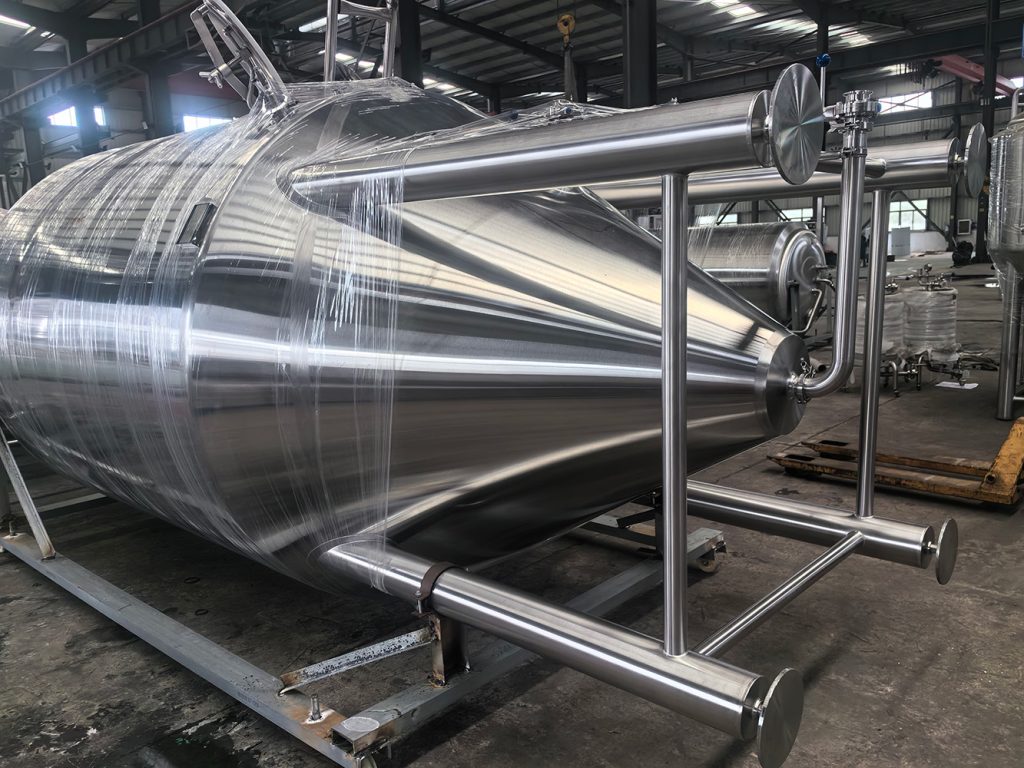
At SKE, we design our fermenters with efficient cooling jackets. We also offer insulation to prevent condensation and save energy. This makes our tanks a smart choice for large craft breweries that value precision.
Pressure Capability and Closed Transfers
Many modern breweries use pressure during fermentation. This allows them to carbonate beer naturally. It also enables closed transfers, which reduce oxygen exposure.
Oxygen is the enemy of fresh beer. Even small amounts can stale the flavor. A closed transfer moves beer from the fermenter to a bright tank without touching air.
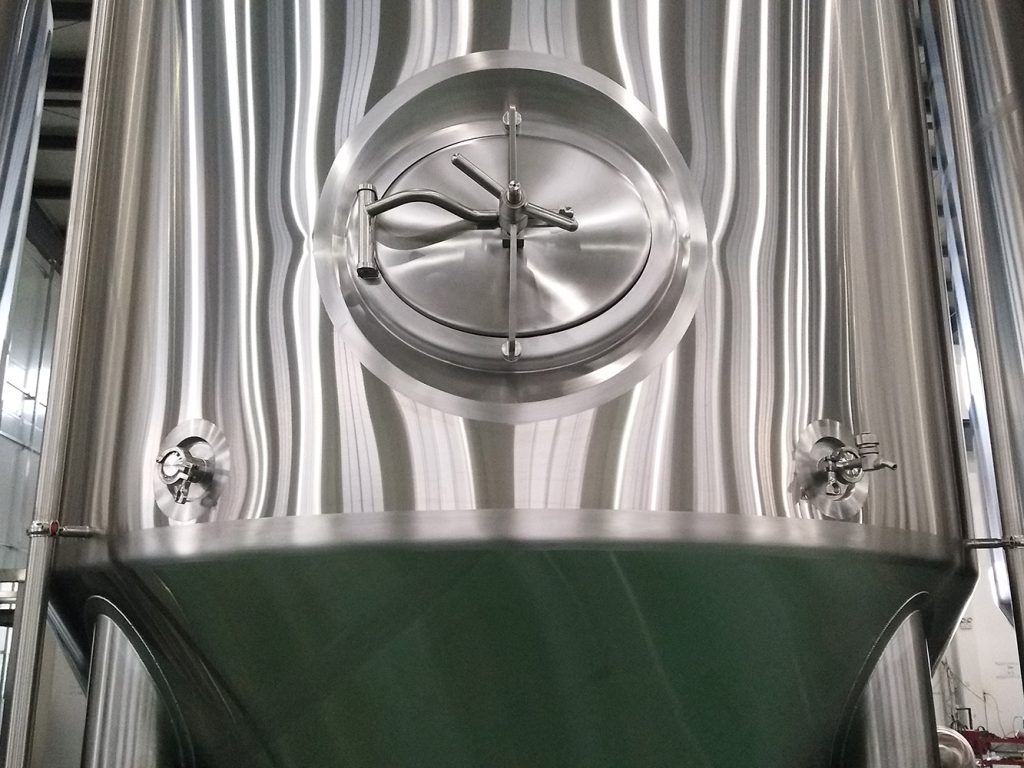
To do this, the fermenter must be pressure-rated. The best conical fermenter for professional use is rated for at least 1.0 bar (15 PSI). Some tanks can handle higher pressures for specific beer styles.
SKE offers pressure-rated fermenters with safe, tested designs. We use high-quality valves and fittings to ensure reliable operation.
Clean-In-Place (CIP) Saves Time and Labor
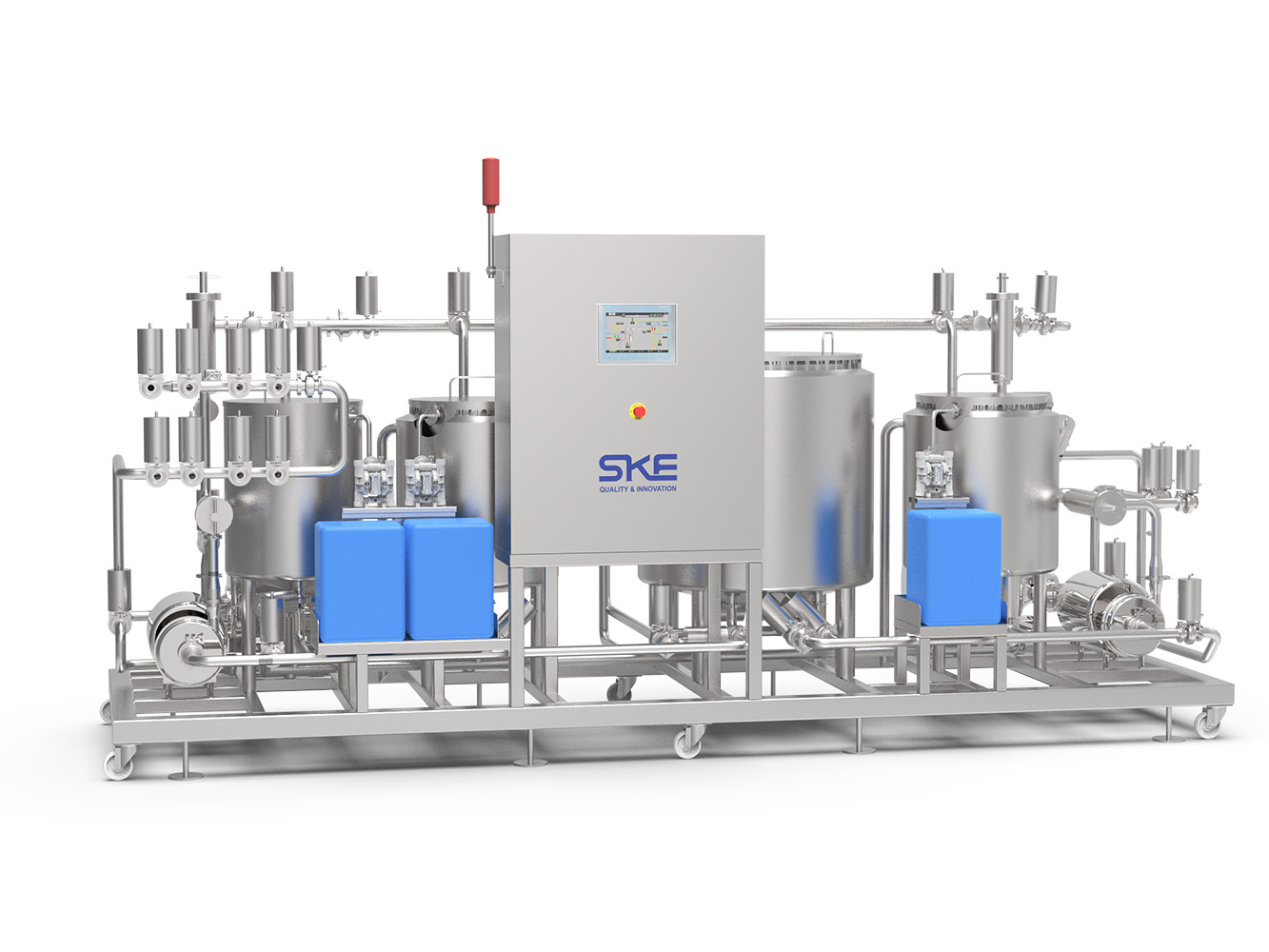
Cleaning large tanks manually is hard work. It also takes time and can lead to inconsistent results. This is why CIP (Clean-In-Place) is essential for commercial breweries.
CIP uses spray balls inside the tank. Cleaning solutions are pumped through the spray ball at high pressure. This cleans every surface without manual scrubbing.
A good CIP system includes:
-
Pre-rinse with water
-
Caustic cleaning cycle
-
Intermediate rinse
-
Acid rinse (when needed)
-
Final rinse with sanitizer
The best conical fermenter is designed for CIP. It has smooth surfaces and properly placed spray balls. This ensures thorough cleaning every time.
SKE fermenters are fully CIP-compatible. We help breweries design cleaning programs that fit their production schedules.
Yeast Management and Harvesting
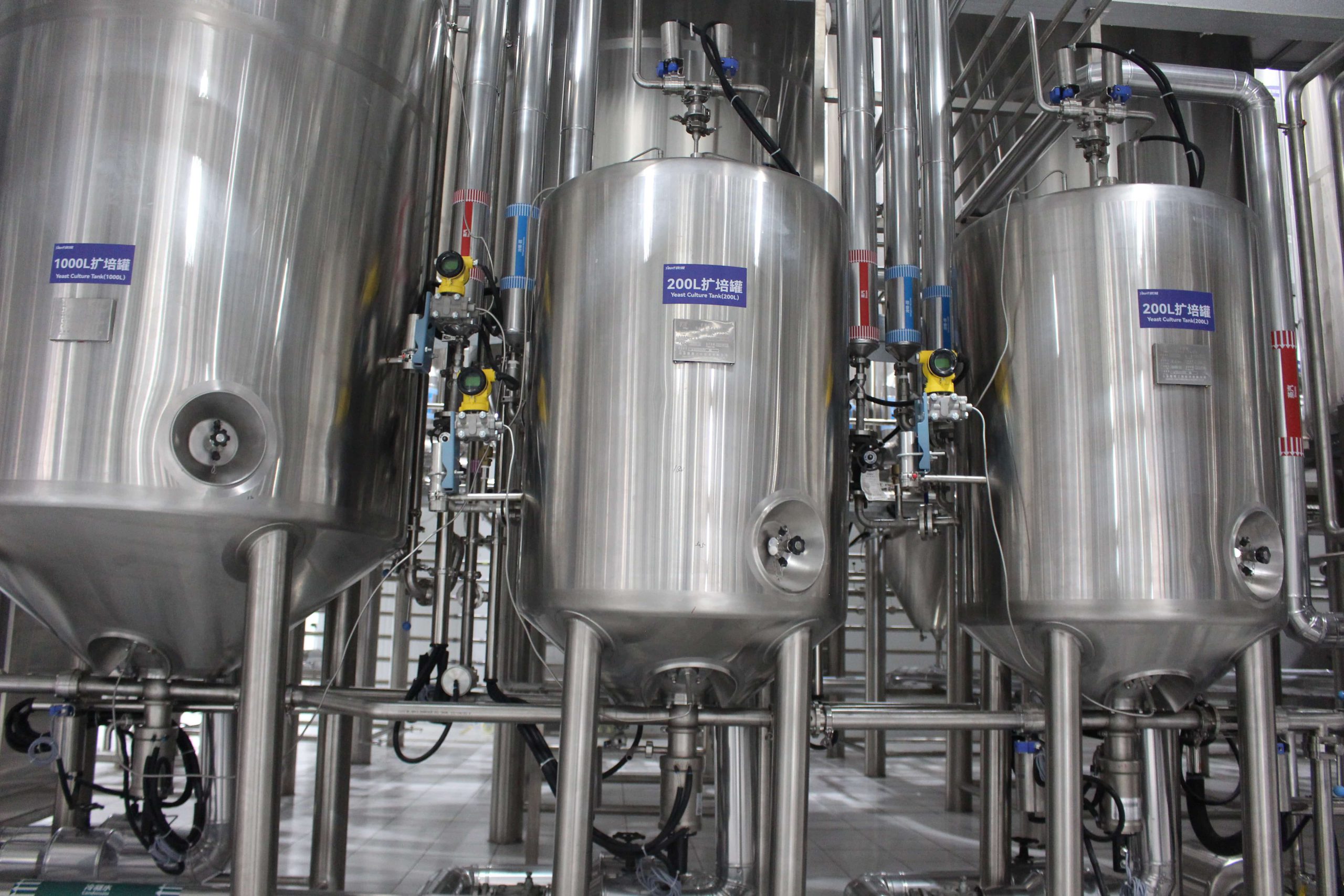
Yeast is expensive. Reusing healthy yeast from one batch to the next saves money and improves consistency. The conical shape makes this possible.
During fermentation, yeast settles to the bottom of the cone. Brewers can open the bottom valve to collect this yeast. The yeast is then stored and pitched into the next batch.
Good yeast management requires:
-
A properly designed cone angle
-
A sanitary yeast valve
-
Clear procedures for collection and storage
SKE fermenters include dedicated yeast collection ports. Our tanks are designed to make harvesting easy and sanitary. This helps large craft breweries reduce costs and maintain product quality.
How to Choose the Right Tank Size
Choosing the right size is about more than batch volume. You need to consider your production schedule, fermentation time, and future growth.
Here are some questions to ask:
-
What is your brewhouse batch size?
-
How many batches do you brew per week?
-
How long does fermentation take?
-
Do you plan to expand in the next 2-3 years?
As a rule, your fermenter should have enough headspace for foam during active fermentation. The amount of headspace depends on the beer style and yeast strain. A professional supplier like SKE can help you calculate the right capacity.
We also recommend planning for at least 10–20% extra capacity to handle growth. This prevents bottlenecks as your brewery expands.
The SKE Advantage: Built for Professional Breweries
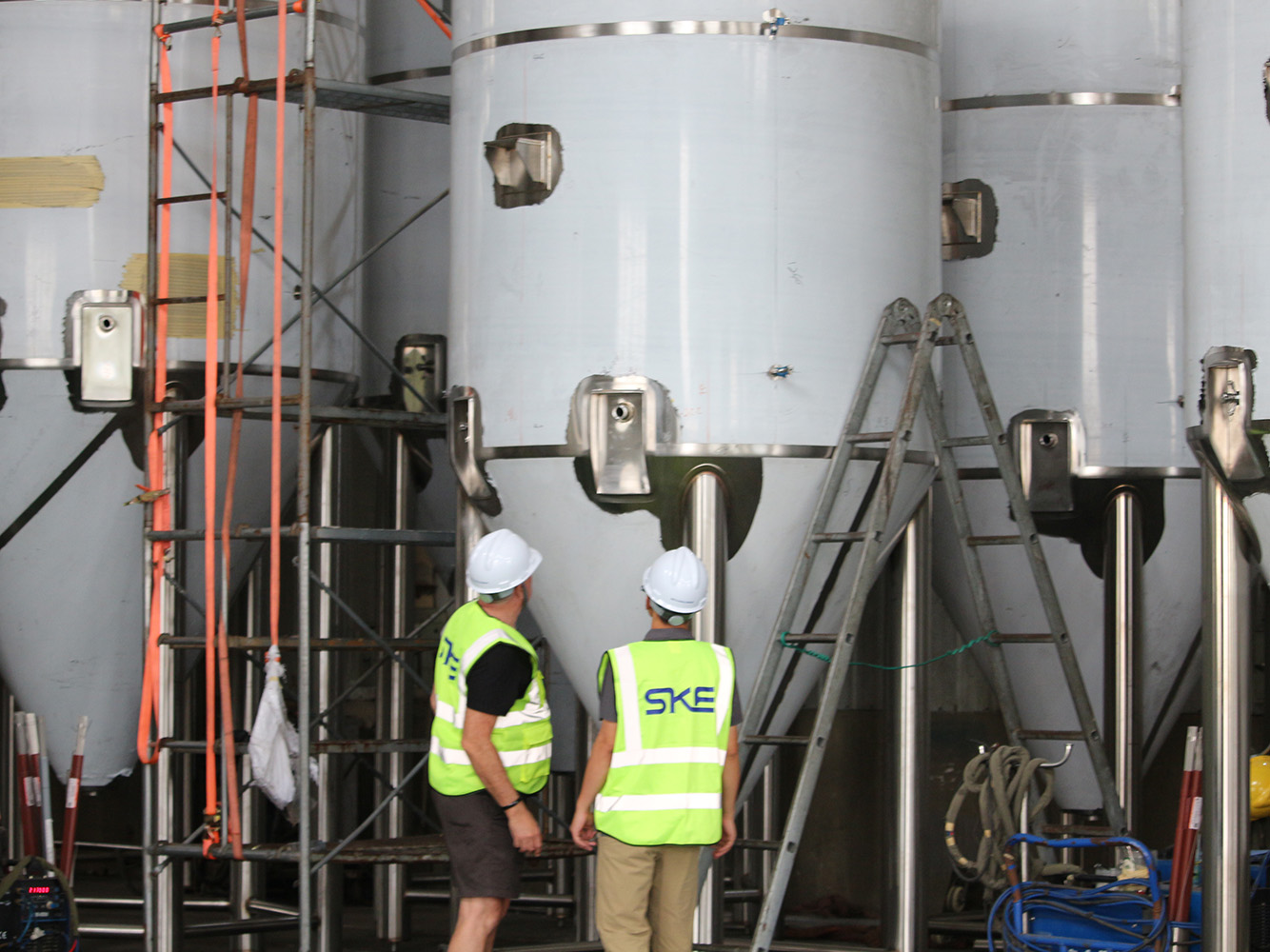
SKE has years of experience manufacturing beer brew equipment for large craft breweries. We understand the challenges of commercial production. Our conical fermenters are designed to solve real-world problems.
Here is what sets SKE apart:
-
High-quality materials: We use food-grade stainless steel with sanitary finishes.
-
Precise fabrication: Our welds and fittings meet strict standards.
-
Custom configurations: We tailor tanks to your specific needs.
-
Expert support: We help with installation, maintenance, and troubleshooting.
We do not just sell tanks. We provide solutions that help you brew better beer. Our team works closely with you to ensure the equipment fits your space, budget, and production goals.
Common Mistakes to Avoid
Many breweries make errors when selecting fermenters. Here are some to avoid:
Choosing based on price alone
The cheapest tank is rarely the best. Poor quality can lead to infections, inconsistent beer, and higher labor costs.
Ignoring future growth
Buying tanks that are too small forces you to upgrade sooner. Plan for expansion from the start.
Overlooking CIP requirements
If the tank is hard to clean, you will waste time and risk contamination.
Forgetting about utilities
Make sure your glycol system, water supply, and drainage can support the new tanks.
SKE helps you avoid these pitfalls. We provide a complete evaluation of your needs before recommending equipment.
Frequently Asked Questions
Q: What is the best conical fermenter for a large craft brewery?
A: The best tank depends on your production volume, beer styles, and budget. Key features include stainless steel, good cooling, CIP compatibility, and pressure rating. SKE offers custom solutions for different brewery sizes.
Q: Can I use a conical fermenter for both ales and lagers?
A: Yes. The tank works for all beer styles. The difference is in temperature control. Lagers need cooler fermentation, while ales need warmer temperatures. A good glycol system lets you switch between styles easily.
Q: How do I clean a conical fermenter?
A: Use a CIP system with spray balls. Run a caustic cycle, followed by rinses and sanitizer. Make sure the tank is drained and inspected after each cleaning.
Q: Is pressure fermentation safe?
A: Yes, if the tank is properly rated and maintained. Always follow the manufacturer’s pressure limits. SKE fermenters are designed with safety as a priority.
Q: How long does a stainless steel fermenter last?
A: With proper care, a stainless steel fermenter can last 20 years or more. This makes it a wise investment for any brewery.
Q: Does SKE offer after-sales support?
A: Yes. We provide installation guidance, maintenance advice, and spare parts. Our team is available to help with any issues.
Conclusion
Selecting the best conical fermenter is one of the most important decisions for any large craft brewery. The right tank improves beer quality, reduces labor, and supports consistent production.
Stainless steel, good temperature control, pressure capability, and CIP design are all essential. These features make the best beer fermenter a valuable investment for your business.
SKE is here to help. We manufacture high-quality beer brew equipment tailored to your needs. Our fermenters are built to last and designed for professional results.
Contact SKE today to discuss your fermentation requirements. Let us help you brew better beer, batch after batch.
- Facebook: SKE Equipment Facebook
- Email: info@skeequipment.com
Fill out the contact form below for customized solutions. We fully support all your production equipment demands for breweries and beverage plants.