Introduction
The market for non-alcoholic beer is growing fast. More people want the taste of beer without the alcohol. This creates new opportunities for breweries, but it also brings a problem: how do you remove alcohol without losing the taste and smell of the beer?
The dealcoholization process solves this problem.
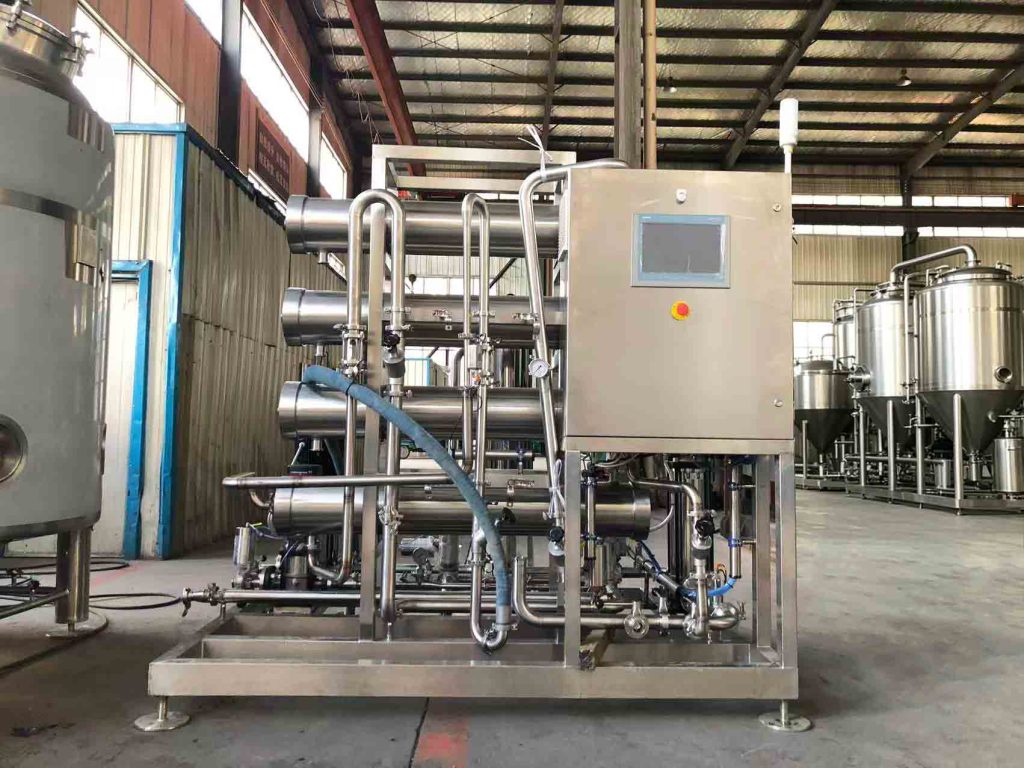
Breweries can make beer in the normal way and then reduce the alcohol with special equipment. Depending on the goal, they can use membrane separation, vacuum distillation, or other methods.
A good beer dealcoholization system must do more than remove ethanol. It must also protect flavor, control oxygen, keep carbonation, and produce a stable product.
This guide explains how the dealcoholization process works, compares the main technologies, and shows what to consider when choosing dealcoholization equipment.
Key Takeaways
- Dealcoholization removes alcohol after normal brewing, so the beer keeps its original flavor profile instead of relying on early-stopped fermentation.
- Membrane separation and vacuum distillation are the two production-proven methods: membrane systems run cold and preserve more aroma, while vacuum distillation handles higher volumes reliably.
- Most non-alcoholic beers target 0.5% ABV or below, achievable with any of the methods compared in this guide.
- Stevens Point Brewery’s 2025 blind taste test of its BrewVo membrane system found tasters preferred the non-alcoholic version over the original beer.
What Is the Dealcoholization Process?
The dealcoholization process is the controlled removal of alcohol from beer after fermentation.
Brewers do not stop fermentation early. Instead, they first make a beer with the flavor they want, and then reduce the alcohol. This gives them more control and lets them create non-alcoholic versions of popular beer styles.
The main problem is that ethanol is not the only small molecule in beer. Many aroma compounds are also small or volatile. If the dealcoholization process is too strong, the beer can lose its character.
For this reason, modern dealcoholization technology focuses on three goals:
-
Remove ethanol efficiently
-
Protect flavor and aroma
-
Keep the final beer stable
The final alcohol level depends on the equipment and local rules. Many non-alcoholic beers are made at 0.5% ABV or below. Some breweries go even lower.
How Does the Dealcoholization Process Work?
There is no single way to remove alcohol from beer. Different systems use different physical methods.
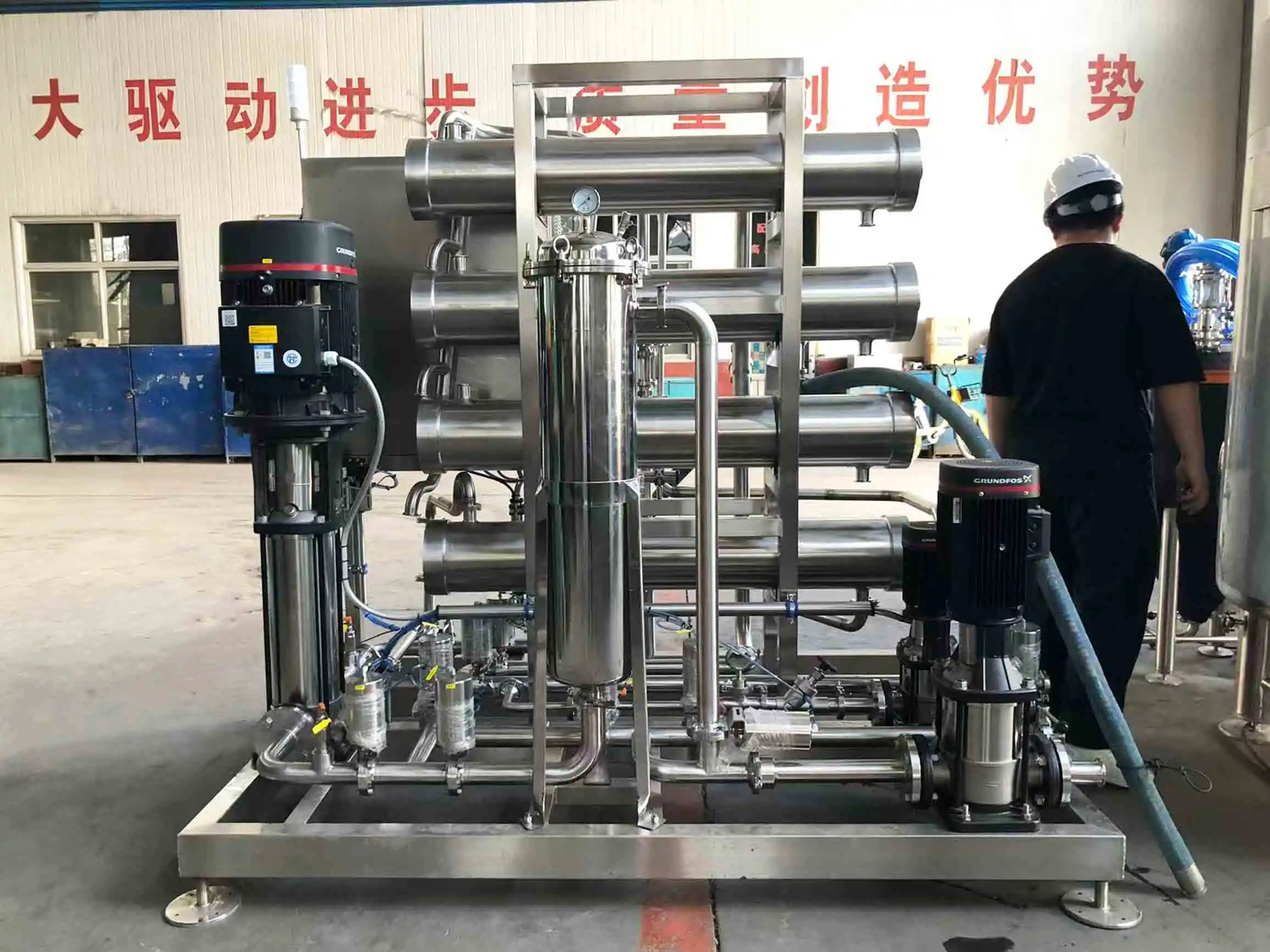
A typical membrane-based dealcoholization process has four main steps.
Step 1: Beer Preparation
The finished beer is prepared for the system.
It may be cooled, filtered, and deaerated first. Good control is important because oxygen can damage flavor and reduce shelf life.
The beer then goes into the dealcoholization process under controlled pressure and temperature.
Step 2: Membrane Separation
In membrane systems, beer passes through a semi-permeable membrane.
The membrane lets some small molecules pass while keeping larger ones. Water and ethanol can move through the membrane. Many proteins, polyphenols, and other larger compounds stay in the beer.
This step can run at low temperatures. That helps protect sensitive flavor compounds.
Step 3: Alcohol Reduction
Further separation brings the beer to the target alcohol level.
Some systems use concentration followed by diafiltration. In diafiltration, deaerated water is added while the membrane keeps removing alcohol.
The exact settings depend on the membrane, the beer, the target ABV, and the equipment design.
Step 4: Volume Adjustment and Carbonation
After the dealcoholization process, the beer may need volume adjustment.
Deaerated water can be added to restore the volume and balance the beer. Then the beer is carbonated before packaging.
Control at this stage is important. Too much oxygen can affect flavor and stability.
Main Dealcoholization Technologies
Breweries can choose from several technologies. The best choice depends on production volume, beer style, target ABV, energy use, and quality goals.
1. Membrane Filtration
Membrane filtration is an important dealcoholization technology.
It uses pressure and selective membranes to separate alcohol from beer. Because it can run at low temperatures, it is good for beers where flavor and aroma matter.
A membrane system also gives accurate control over the final alcohol level.
Key advantages:
-
Low-temperature operation
-
Good flavor and aroma retention
-
Precise alcohol reduction
-
Continuous or batch operation
-
Easy integration with automated systems
For many craft and commercial breweries, membrane-based dealcoholization equipment is a strong choice.
2. Vacuum Distillation
Vacuum distillation uses low pressure to lower the boiling point of ethanol.
This means alcohol can be removed at a lower temperature than normal distillation. Less heat can mean less damage to the beer.
But temperature and aroma control are still important. Some volatile aromas can be affected.
Vacuum systems work well for breweries that need reliable results at commercial scale.
3. Pervaporation
Pervaporation is another membrane-based method.
The liquid beer touches a selective membrane. Some components pass through and are removed as vapor.
This method uses fewer chemicals and can keep aroma well. However, it is less common in breweries than membrane and vacuum systems.
4. Osmotic Distillation
Osmotic distillation uses a hydrophobic microporous membrane.
Alcohol and other volatile compounds pass through the membrane, while liquid water is blocked.
This method can run at low temperatures and may protect sensitive compounds. But results depend a lot on the membrane and the conditions.
Comparing Dealcoholization Equipment
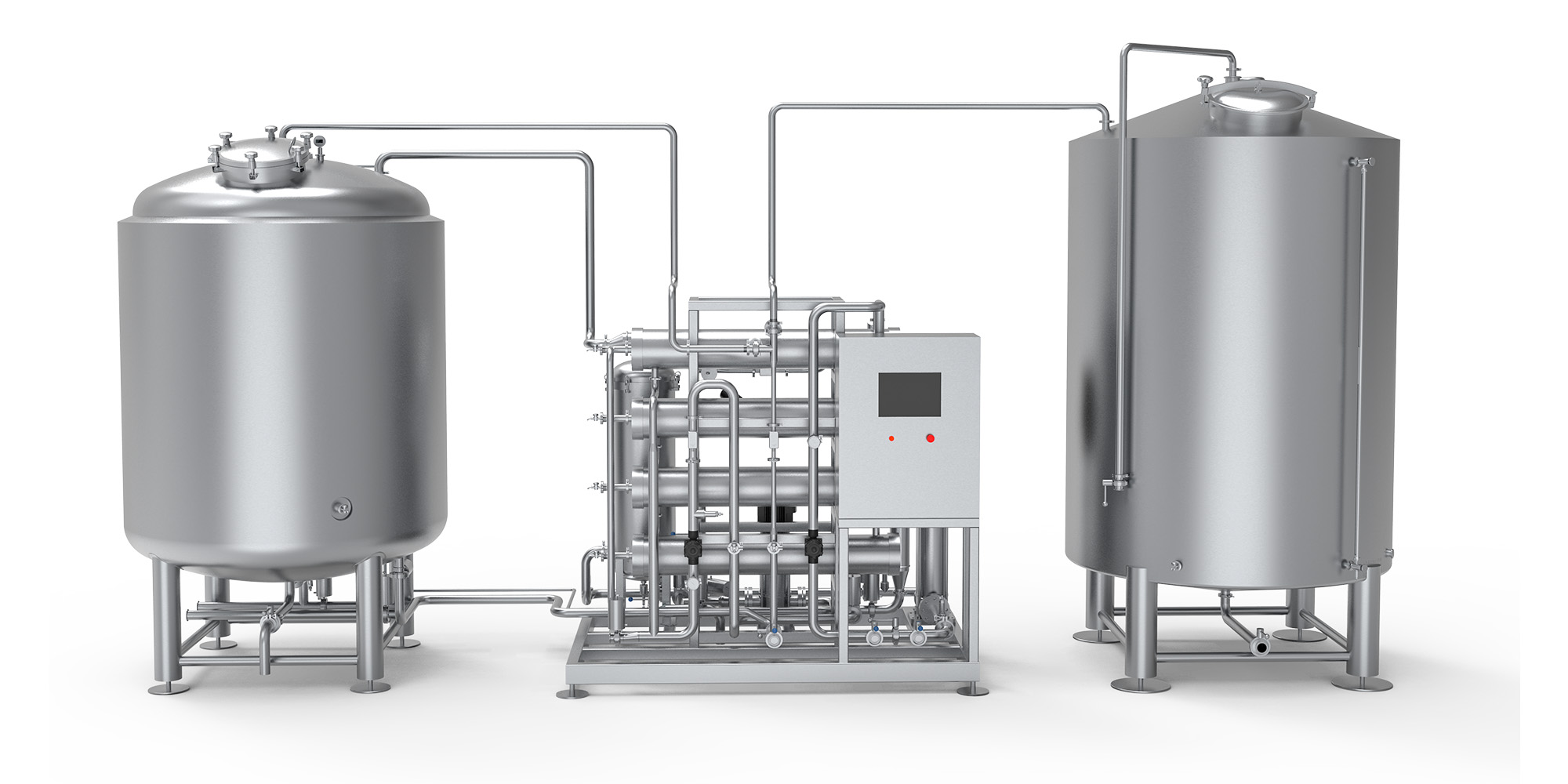
When comparing dealcoholization equipment, breweries should look at more than alcohol removal. Quality, energy, automation, and maintenance all matter.
| Feature | Membrane Separation | Vacuum Distillation | Pervaporation |
|---|---|---|---|
| Operating Temperature | 4–10°C | 30–50°C (lower than atmospheric distillation due to vacuum) | Typically 40°C+ to drive vapor permeation |
| Final ABV | 0.05–0.5% | 0.05–0.5% | 0.05–0.5% |
| Aroma Retention | Higher (cold separation limits volatile loss) | Lower (heat drives off aroma compounds) | Moderate to high, less proven at brewery scale |
| Energy Use | Low | Medium–High | Low |
| Automation | High | High | Medium |
| Production Scale | Craft to commercial | Commercial and large | Specialty batches |
| Main Advantage | Low-temperature separation | Reliable alcohol removal | Selective separation |
Real performance depends on the beer, the membrane, the conditions, and the final product goals. Breweries should test equipment against their own targets.
Brewing science research backs the general pattern in this table: membrane-based methods better preserve volatile aroma compounds than thermal separation, since heating during distillation drives off much of the aroma fraction along with the ethanol (membrane distillation study, ScienceDirect; pervaporation review, PMC).
How Largest Microbreweries Use the Dealcoholization Process
The largest microbreweries have helped push dealcoholization technology forward. They often have the money to invest in new equipment and test new methods before smaller breweries do.
For example, Stevens Point Brewery in Wisconsin installed the BrewVo membrane-based dealcoholization system from Sustainable Beverage Technologies in 2025. Brewmaster Mike Schraufnagel ran a blind taste test against the brewery’s standard beer and said the non-alcoholic version won, a result he called a shock that changed his view of what non-alcoholic beer could be (Brewbound, 2025). This shows how far the dealcoholization process has come.
These larger producers help prove that dealcoholization equipment works at a commercial level. Their investments tell smaller breweries that the technology is safe and profitable.
They also push equipment makers to improve membranes, cut energy use, and add automation. Ideas first tested by largest microbreweries often become standard features later.
What to Consider When Choosing Dealcoholization Equipment
Choosing the right beer dealcoholization equipment is a big investment. Here are the key factors.
Production Capacity
Start with the volume you need.
A small craft brewery may need a compact batch system. A large commercial brewery may need a system that runs continuously or handles many batches per day.
The system should also fit your future plans.
Target Alcohol Level
The final ABV is another key factor.
Some breweries make low-alcohol beer. Others target 0.5% ABV or below. The equipment must reach the target while keeping the taste and body.
Flavor and Aroma Protection
This is one of the most important points.
Beer has many compounds that create aroma and flavor. High heat, too much processing, and oxygen can hurt them.
Low-temperature processing, controlled pressure, deaerated water, and good aroma recovery can help protect quality.
Automation and Process Control
Modern breweries often prefer automated dealcoholization systems.
PLC-based control manages temperature, pressure, flow, and membrane operation. Automation improves consistency and reduces manual work.
For commercial production, it also makes quality control easier.
CIP and Maintenance
Hygiene is critical in brewing.
The system should support effective clean-in-place (CIP). Easy cleaning reduces downtime and keeps quality stable.
Also consider membrane replacement, pumps, valves, sensors, and other maintenance costs.
Integration With Existing Equipment
A new system should work well with your current process.
It may need connections to fermentation tanks, bright beer tanks, filters, carbonation systems, CIP systems, and packaging lines.
Good integration reduces installation work and makes the process easier to manage.
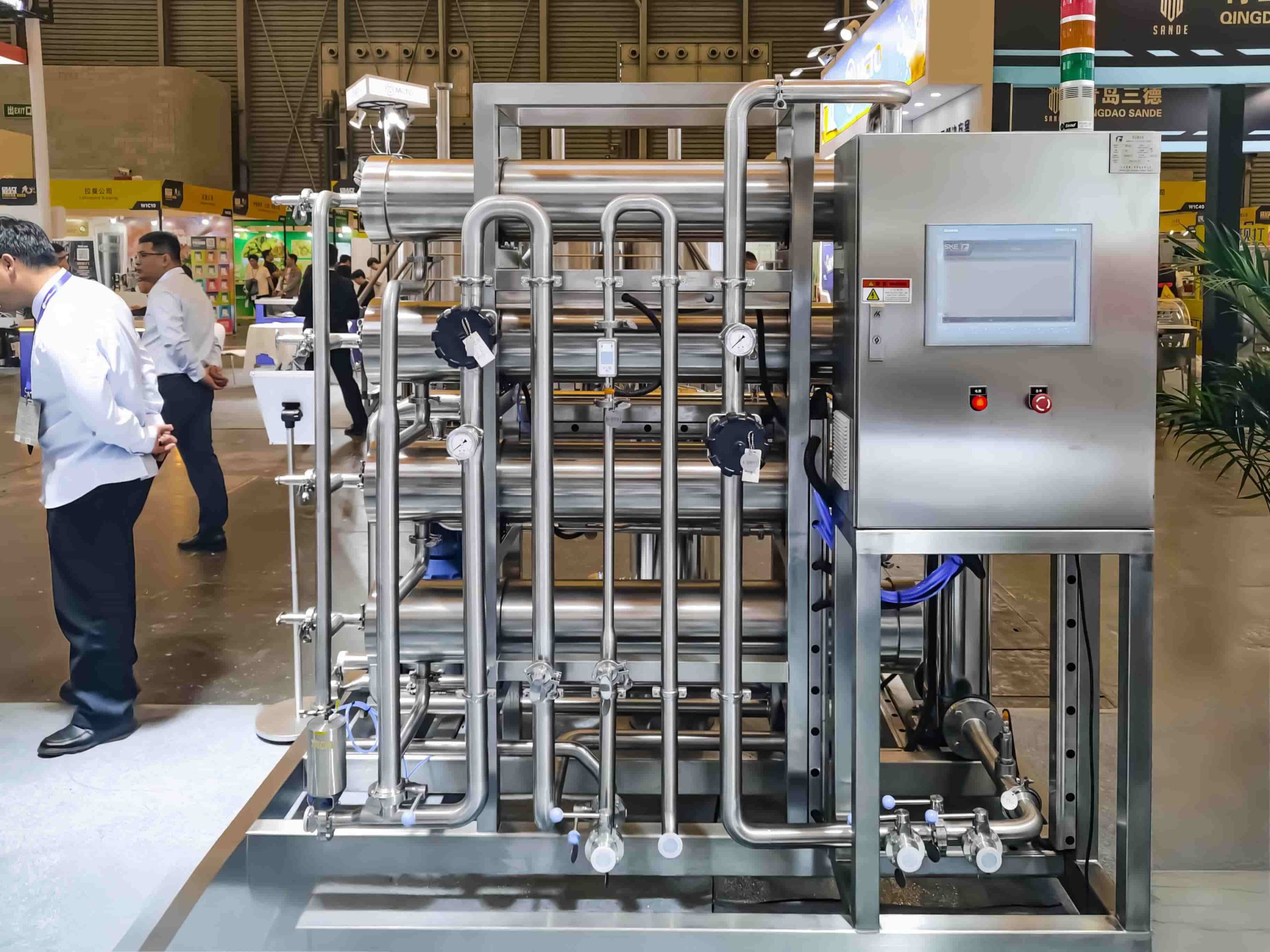
Why the Dealcoholization Process Matters for Non-Alcoholic Beer
Non-alcoholic beer is no longer a niche product.
Breweries are making alcohol-free lagers, IPAs, wheat beers, and more. This helps them reach customers who want beer flavor without alcohol.
But making good non-alcoholic beer is not just about removing ethanol.
The original beer must taste good. The dealcoholization process must be controlled carefully. The final beer may need changes to carbonation, body, aroma, and balance.
This is why the dealcoholization process should be seen as part of the full brewing system, not just one machine.
The Future of Dealcoholization Technology
Dealcoholization technology will keep improving as demand grows.
Future systems will focus on better separation, lower energy use, more automation, and stronger aroma retention.
Membrane technology will also improve. Better membranes can remove ethanol while keeping more aroma compounds.
Energy recovery and efficient design will become more important. Breweries face pressure to use less water and energy.
Hybrid systems may also become common. Different methods can be combined when a brewery needs both high alcohol removal and strong flavor protection.
FAQ
1.What is the dealcoholization process?
The dealcoholization process removes alcohol from finished beer. Common methods include membrane separation and vacuum distillation. The goal is to reduce alcohol while keeping flavor, aroma, body, and stability.
2.How is alcohol removed from beer?
Alcohol is removed through separation methods. Membrane systems use selective membranes. Vacuum distillation uses low pressure to remove ethanol at a lower temperature.
3.Can the dealcoholization process reach below 0.5% ABV?
Yes. Good dealcoholization equipment can reach very low alcohol levels. The final ABV depends on the system, the beer, the conditions, and the target.
4.What is the best dealcoholization technology?
There is no single best choice. Membrane systems are good for low-temperature processing and flavor retention. Vacuum systems are reliable at commercial scale. The best choice depends on capacity, target ABV, beer style, budget, and process needs.
5.Is dealcoholized beer healthy?
It has fewer calories and no significant alcohol. It can be a good choice for people who want to reduce alcohol but still enjoy beer.
6.Can any beer style go through the dealcoholization process?
Most styles can. But hoppy or strongly flavored beers may need extra control to keep aroma and balance.
Written by Mandy, Marketing Specialist at SKE Equipment with two years of experience covering the company’s brewing and beverage processing equipment. Technical details in this guide were reviewed by SKE’s engineering team before publication.
About SKE
SKE is a professional beer equipment manufacturer. We provide brewing and processing solutions for breweries worldwide.
Our equipment supports many stages of beer production, including dealcoholization, fermentation, filtration, pasteurization, CIP, and packaging.
For breweries entering the non-alcoholic market or expanding production, the right dealcoholization system can improve control, consistency, and efficiency.
Contact SKE to discuss your dealcoholization needs and find the right solution for your brewery.
- Facebook: SKE Equipment Facebook
- Email: info@skeequipment.com
Fill out the contact form below for customized solutions. We fully support all your production equipment demands for breweries and beverage plants.