
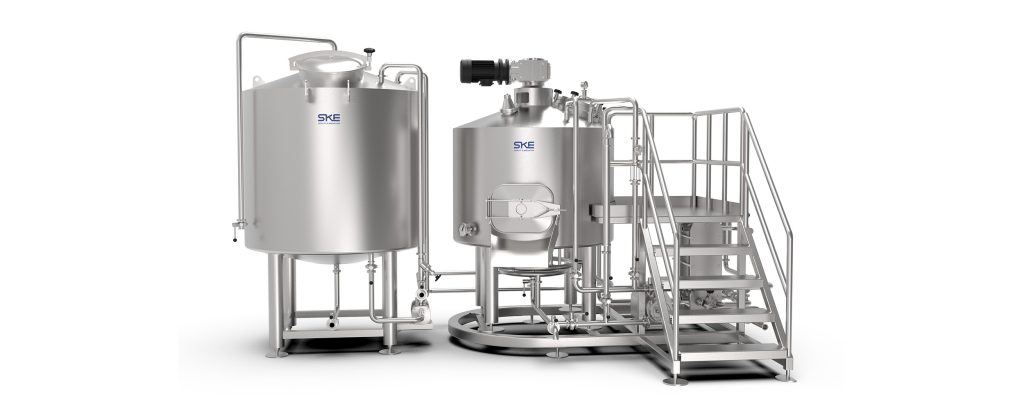
Kombucha is a fermented tea drink. It was once sold only in small health food stores. Today, it is sold in many supermarkets and cafés. More and more people want to try it. This has made big drinks companies interested.
Some of the world’s largest brewers are now making kombucha. They already know a lot about fermentation. But kombucha is not beer. It needs different methods and different kombucha brewing equipment.
This article looks at the benefits of kombucha, how kombucha fermentation works, and why breweries need special equipment.
Key Takeaways
- Kombucha fermentation runs on a mixed SCOBY culture, not a single yeast strain like beer — acetic acid bacteria need oxygen, which most closed beer fermenters are not built to supply.
- In the US, kombucha at 0.5% ABV or more is legally an alcoholic beverage and falls under TTB labeling, formula, and tax rules.
- Old beer tanks can sometimes be repurposed, but rubber seals, closed-tank oxygen control, and SCOBY-compatible cleaning are the usual sticking points.
- Scaling kombucha is less about bigger tanks and more about repeatability: temperature (typically 24–29°C), oxygen dosing, and CIP all have to hold steady batch after batch.
What Is Kombucha?
Kombucha is made from sweet tea and a culture called SCOBY. SCOBY means “symbiotic culture of bacteria and yeast.”
During kombucha fermentation, the yeast and bacteria change the sugar in the tea. They make acids, gas, and a little alcohol. The final drink tastes sweet and sour. It has light bubbles and a special flavor.
The taste can change a lot. It depends on the tea, the sugar, the culture, the temperature, and the fermentation time.
The Benefits of Kombucha
Many people drink kombucha because they think it is good for them. Those perceived benefits often come from two things: the tea and the fermentation.
Kombucha may contain:
-
Acids made during fermentation
-
Polyphenols from tea
-
Some vitamins
-
Live microorganisms in some products
-
A different taste from normal soft drinks
Some studies suggest kombucha may help health in some ways. But there is not enough strong human research yet. So companies must be careful. They should not make big health claims. They should follow the food rules in their country.
The important business point is simple: people are interested in what kombucha may offer. This creates demand and gives drinks companies a chance to make new products.

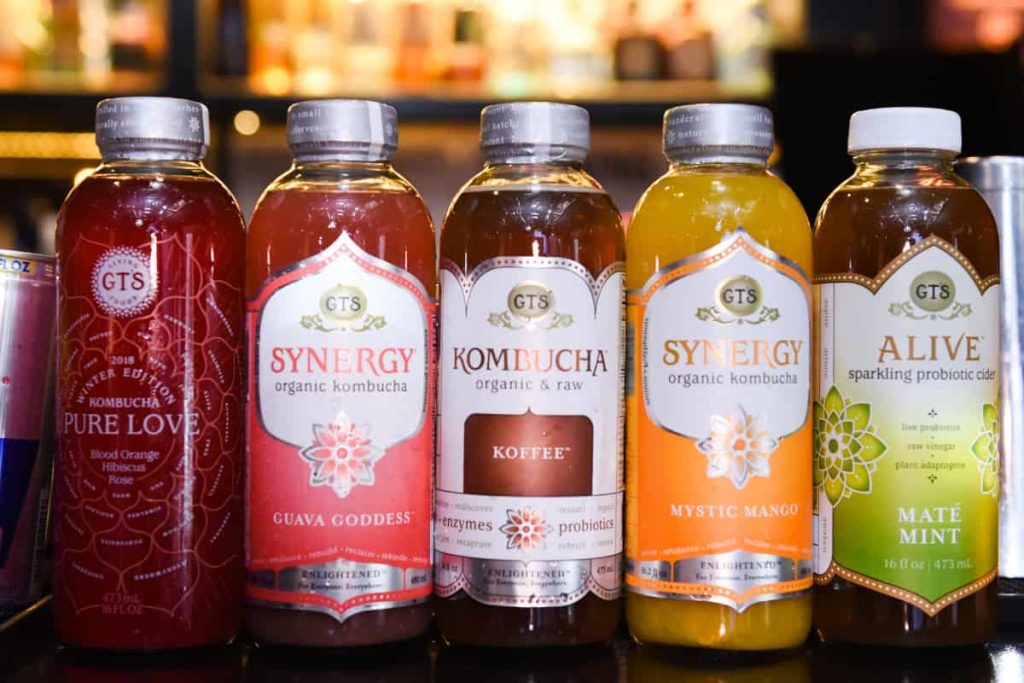
Why Big Brewers Are Interested
The world’s largest brewers know a lot about making drinks. They understand:
-
Temperature control
-
Clean equipment
-
Fermentation
-
Stainless steel tanks
-
Filling and packaging
-
Large-scale production
This makes kombucha a good new product for them.
But there is a big difference. Beer fermentation usually uses one kind of yeast. Kombucha fermentation uses many kinds of yeast and bacteria together. One important group is acetic acid bacteria. These bacteria need oxygen. So oxygen is very important in kombucha.
This means a brewery cannot just copy its beer process. It needs a different process and different kombucha brewing equipment.
Why Kombucha Is Hard to Scale
Small producers can watch the drink carefully and use their experience. Big producers cannot do this. When the batch is very large, small changes can affect a lot of product. So the process must be repeatable.
Here are five main problems.
1. The Culture Is Complex
A SCOBY has many yeasts and bacteria. The mix can be different in each culture. Different microorganisms are active at different times.
This changes the flavor, the acid, and the alcohol. So producers must control the starting culture and the fermentation conditions.
2. Oxygen Must Be Controlled
Acetic acid bacteria need oxygen. But too much oxygen can cause problems. It can change the taste and make the product less consistent.
Research on higher-oxygen fermentation setups (such as air-permeable vessels) shows that keeping the culture better oxygenated can speed up fermentation and result in lower final alcohol content than a sealed, low-oxygen ferment run for the same length of time. Acetic acid bacteria use the extra oxygen to convert more of the yeast-produced ethanol into acid. See a 2024 study on oxygen exposure during kombucha brewing for the underlying mechanism.
So the equipment must be designed for kombucha specifically. It should not just copy a closed beer tank.
3. Temperature Matters
Temperature changes how fast the microorganisms work. It affects the speed, the acid, and the flavor.
Most kombucha ferments between 24°C and 29°C. Big tanks need a good temperature control system. Cooling jackets and sensors help keep the process stable.
4. Acid and Alcohol Must Be Checked
Kombucha fermentation makes acid and a little alcohol. The final amount depends on the ingredients, the culture, the oxygen, the temperature, and the time.
This matters because many countries have rules about alcohol. In the United States, TTB regulations treat kombucha as an alcoholic drink once it reaches 0.5% ABV or more, including if fermentation continues after bottling. Then it needs special labels and taxes.
Producers should check pH, acid, sugar, and alcohol often.
5. Cleaning Is More Important at Large Scale
Kombucha has sugar and nutrients. Good microorganisms need to grow. Bad ones must not grow.
So a commercial system needs stainless steel, good fittings, sanitary pipes, and good cleaning. A CIP system helps clean the tanks between batches.
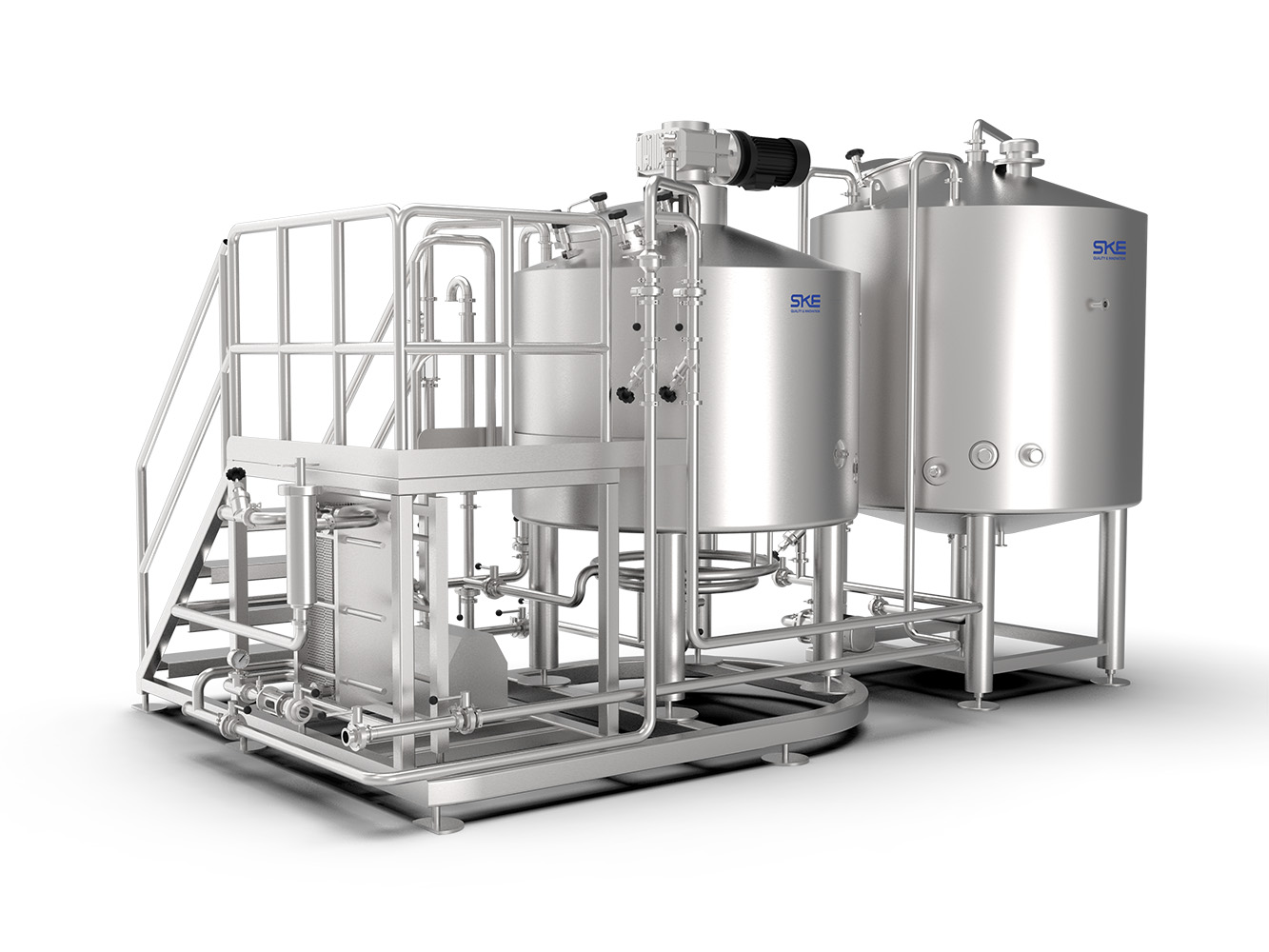
What Kombucha Brewing Equipment Should Do
Professional kombucha brewing equipment should work as one system. It is not just one machine.
| Equipment | What It Does |
|---|---|
| Tea brewing tank | Makes the tea base |
| Sugar mixing tank | Mixes sugar and water |
| Fermentation tank | Where fermentation happens |
| Temperature control system | Keeps the temperature stable |
| CIP system | Cleans the tanks |
| Transfer system | Moves the drink safely |
| Filtration equipment | Makes the drink clear |
| Filling system | Fills bottles, cans, or kegs |
Tanks should be made of food-grade stainless steel, usually 304 or 316L. Kombucha is acidic, so the wrong material can be a problem.
The inside of the tank should be smooth. This helps cleaning. A CIP system with spray balls can clean all parts of the tank.
Can Breweries Use Their Old Beer Tanks?
Sometimes, yes. But it is not always a good idea.
A beer tank may have the right steel and cooling. But it may not be right for oxygen control, cleaning, or SCOBY handling. Rubber parts and valves can be hard to clean. This can cause contamination.
If a brewery wants to use old tanks, it should check everything first. Many producers choose dedicated kombucha equipment instead.
Growing from Small to Large
Many kombucha brands start small. They test tea, sugar, time, flavor, and packaging. When the recipe works, they want to make more.
But a bigger system is not just a bigger tank. It must keep the same conditions in every batch. Producers should think about tank shape, cooling, sensors, oxygen, cleaning, pipes, and filling.
A modular system lets producers add tanks when demand grows. Shared systems like tea preparation, cooling, CIP, and transfer can support many tanks.


FAQ
1.What are the main benefits of kombucha?
The benefits of kombucha are often linked to tea polyphenols, organic acids, and microorganisms. But human research is still limited. Producers should not make strong health claims.
2.How is kombucha fermentation different from beer fermentation?
Beer uses one kind of yeast. Kombucha uses many yeasts and bacteria. Acetic acid bacteria need oxygen. So the process is different.
3.Why are the world’s largest brewers interested in kombucha?
The world’s largest brewers already know about fermentation, stainless steel tanks, cleaning, and packaging. So kombucha is a natural new product for them.
4.What equipment is needed for commercial kombucha?
You need tea tanks, sugar tanks, fermentation tanks, temperature control, CIP, transfer systems, and filling equipment.
5.Can a brewery use beer tanks for kombucha?
Sometimes. But you must check oxygen, cleaning, SCOBY handling, temperature, and fittings first.
6.Why is temperature control important?
Temperature changes how fast the microorganisms work. It affects speed, acid, and flavor. Stable temperature makes the product more consistent.
Written by Mandy, Marketing Specialist at SKE Equipment with two years of experience covering the company’s brewing and beverage processing equipment. Technical details in this guide were reviewed by SKE’s engineering team before publication.
Conclusion
More people are interested in kombucha and what it may offer. This creates new opportunities for drinks companies, and even some of the largest brewers in the world are entering the market.
But kombucha fermentation is not the same as beer fermentation. It needs careful control of temperature, oxygen, acid, time, and cleaning.
Professional kombucha brewing equipment helps producers make a stable and repeatable product. With the right tanks, temperature control, CIP systems, and transfer equipment, producers can grow from small batches to commercial production.
SKE provides stainless steel fermentation and beverage processing equipment for breweries and beverage companies. From single tanks to complete systems, SKE can support commercial kombucha production.
If you have any further questions, feel free to reach out!
- Facebook: SKE Equipment Facebook
- Email: info@skeequipment.com
Fill out the contact form below for customized solutions. We fully support all your production equipment demands for breweries and beverage plants.