
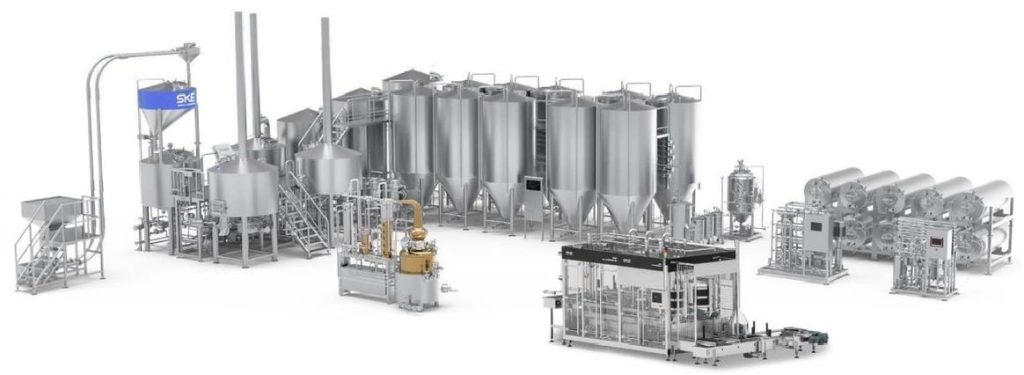
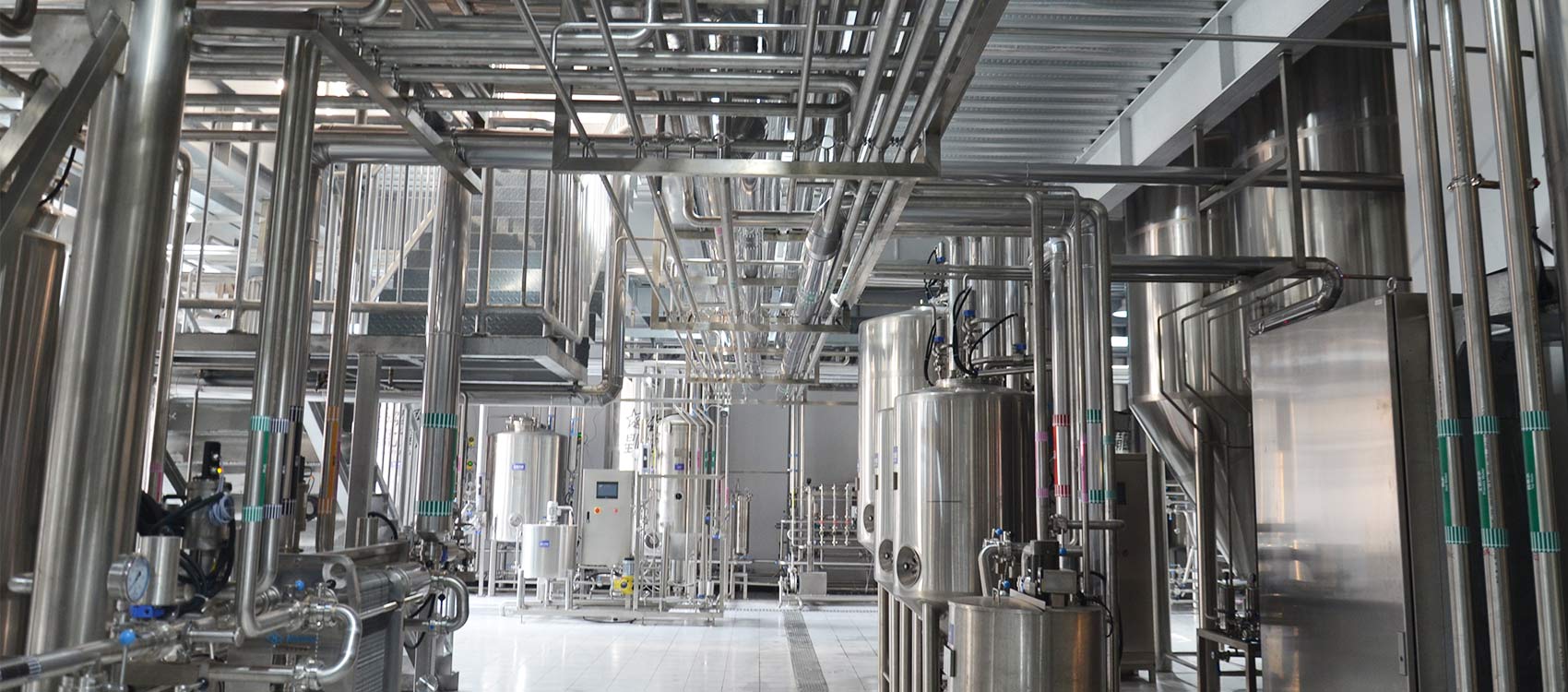
A turnkey brewery project coordinates equipment and engineering into an operating production system. The term does not define a universal supply scope. Buyers should agree the production plan, interfaces and acceptance criteria before comparing quotations.
Key takeaways
- Size the brewery around the production schedule and tank occupancy, not annual output alone.
- List the owner of each utility, installation and packaging interface.
- Define what the completed brewery must demonstrate before handover.
Translate the sales plan into a production schedule

Start with beer styles, package formats, expected volumes and seasonal peaks. Estimate the brewing schedule and how long each product occupies fermentation and conditioning capacity. Keep working volume separate from nominal tank volume.
For a deliberately simplified example, four tanks with a working volume of 20 hL each, completing two full cycles per month, provide 4 × 20 × 2 = 160 hL of gross cellar throughput per month. This is not packaged output: fermentation, transfers, packaging losses and rejected product reduce the saleable volume. The two-cycle assumption must include the actual occupancy and cleaning schedule, and it is not a recommended fermentation duration. Use a scheduling model to identify the limiting stage before choosing larger equipment. Include cleaning and maintenance time rather than assuming every vessel is always available.
Match the equipment across the process
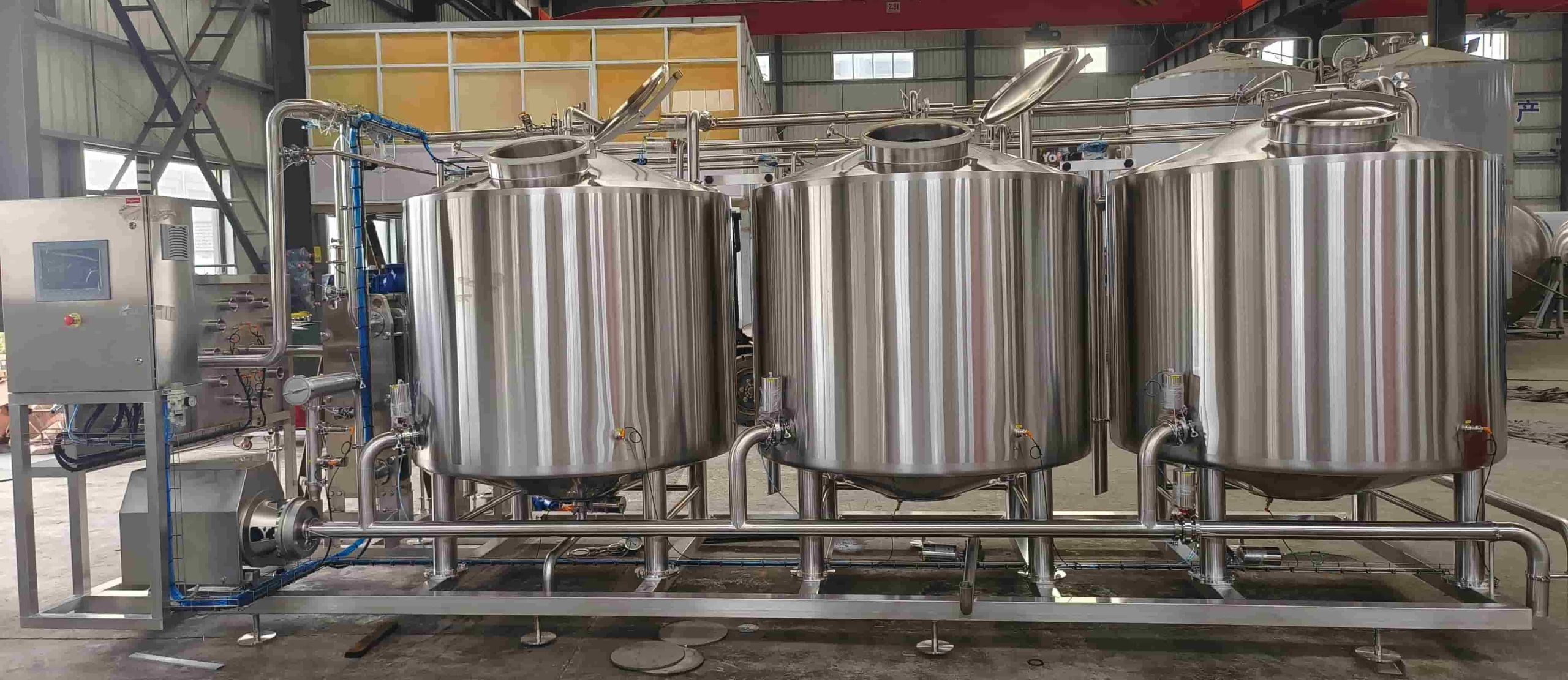
Review brewhouse capacity alongside grain preparation, hot water, wort cooling and cellar capacity. Check the duty of the fermentation tanks against the product schedule.
Packaging should be included in the same calculation. A filling line’s rated speed is not the same as saleable output over a shift. Changeovers, interruptions and cleaning can become the constraint even when the brewhouse and cellar have spare capacity.
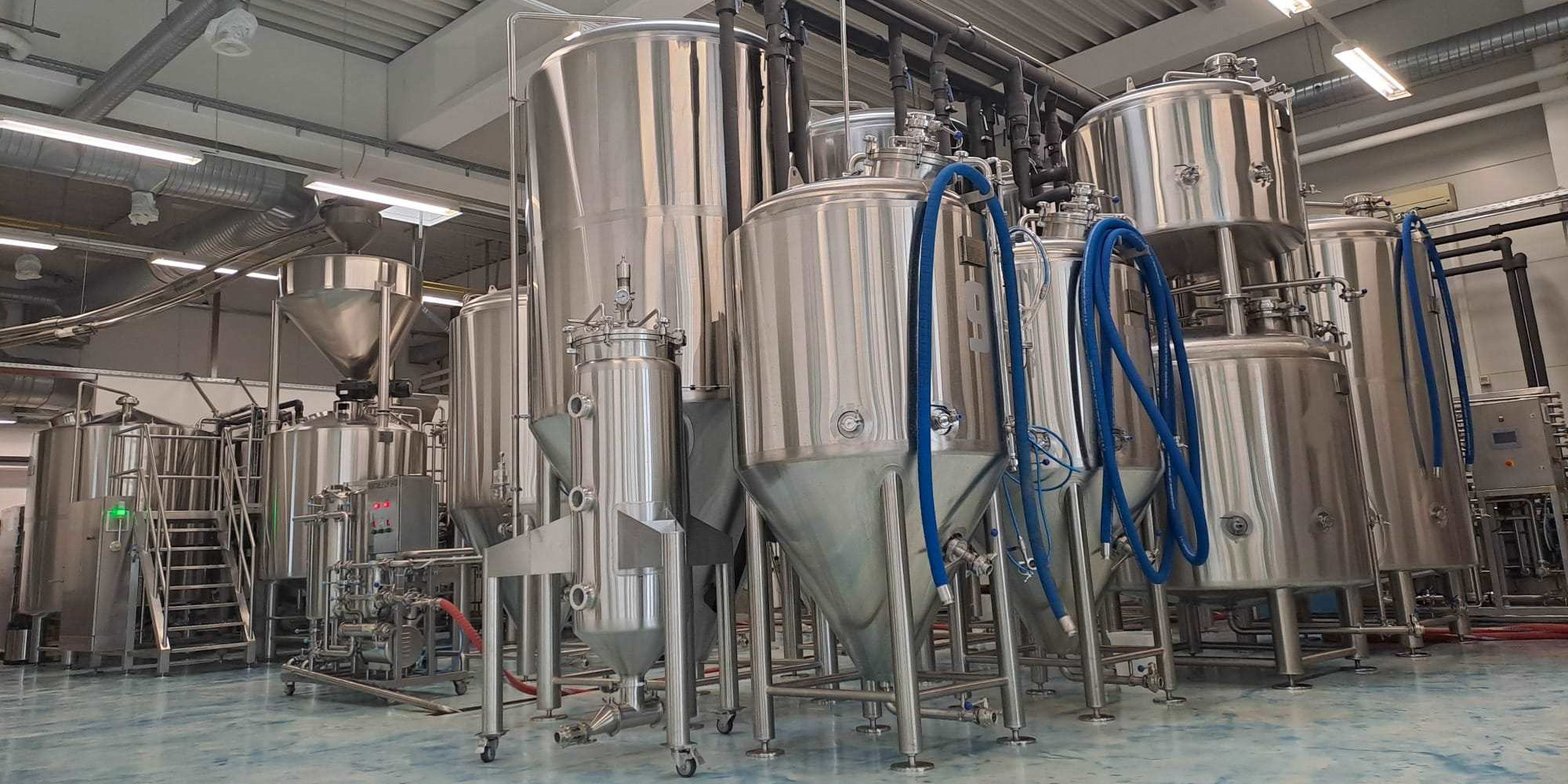
Put boundaries into a responsibility matrix
| Work package | What the contract should identify |
|---|---|
| Process equipment | Included vessels, pumps, instruments and documentation |
| Utilities | Supply conditions, connection points and responsible contractor |
| Building work | Floors, drainage, access and structural provisions |
| Installation | Mechanical and electrical work, supervision and consumables |
| Commissioning | Test materials, utilities, operators and acceptance procedure |
| Training and support | Deliverables, coverage and service arrangements |
An exclusion is not necessarily a problem. An unidentified responsibility is. Review the matrix with local installation partners before finalising the equipment order.
Ask for useful engineering deliverables
Request a process flow diagram, layout, utility schedule and agreed equipment specifications. More detailed projects may also need piping and instrumentation diagrams and a control description. The level of documentation should support installation, operation and future maintenance.
The Brewers Association’s engineering resources cover building design, piping, steam, cooling and yeast handling alongside process equipment. This is a useful cross-check for supply-scope omissions; it does not validate a supplier’s capacity claim.
Use the layout to test maintenance access and movement routes, not just whether the tanks fit. Review grain handling and cleaning routes early because both connect several areas of the facility.
Compare costs on the same scope
Separate equipment price from freight, installation, utilities, commissioning and recurring operating costs. List the assumptions behind capacity claims. A lower quotation can reflect a smaller scope rather than a more economical complete brewery.
For expansion, identify which constraints can be relieved by adding tanks and which require utility or packaging changes. Do not buy every future component immediately; document the connection points, floor space and control provisions needed for a credible expansion stage.
Agree acceptance before manufacture
Define the tests, records and documentation required at the factory and on site. State how capacity, controls, cleaning functions and operator training will be demonstrated under the agreed conditions. Record outstanding items and responsibility for closing them.
This planning framework is a buyer’s checklist, not a promise that every supplier includes these services. Use it to turn the word turnkey into a specific, reviewable project scope. For an equipment enquiry, provide the production schedule and site constraints through the project contact page.
About this article: Prepared for the SKE Equipment blog with AI-assisted research and editing. Original byline: Mandy, equipment marketing specialist. The linked references support the technical background; this article does not report an SKE equipment trial or a project-specific engineering review.