
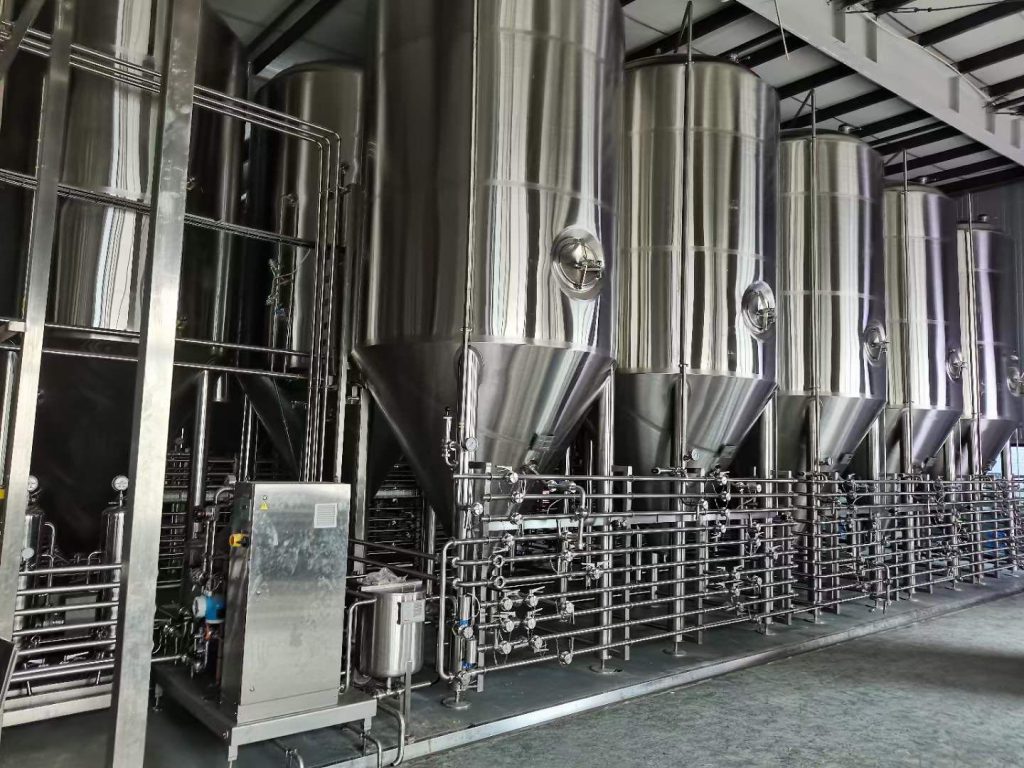
Every flavor in a glass of craft beer traces back to a decision made somewhere in the brewery. Some decisions involve hops and grain. Many more involve equipment. A craft brewery system is not a neutral tool. Its tanks, pipes, and packaging machines quietly push flavor in one direction or another, long before the drinker takes a first taste.
This article looks at flavor from the equipment side. It explains how each major part of a craft brewery system leaves a mark on aroma, body, bitterness, and shelf-life. For buyers choosing craft beer brewing equipment, this knowledge turns a technical purchase into a flavor decision.
The fermenter shapes yeast character, the bottling line protects shelf-life, and the brewhouse sets wort quality. No single component “owns” flavor—the weakest link in the craft brewery system sets the ceiling.
The Craft Brewing Fermenter: Where Flavor Takes Shape
The craft brewing fermenter is where wort becomes beer and where most flavor character is decided. Yeast does the work, but the tank sets the conditions. Temperature, pressure, and shape all influence how yeast behaves.
Temperature control is the most direct factor. Yeast produces different compounds at different temperatures. A few degrees too warm, and a clean ale turns fruity and rough. A few degrees too cool, and fermentation slows or stalls before the beer is ready. A fermenter with well-covered cooling jackets keeps the beer on the curve the recipe needs.
Tank shape matters too. Tall cylindrical tanks create hydrostatic pressure, which can reduce ester formation. That gives a cleaner flavor, suiting many hop-forward styles. Shallower or wider tanks allow more ester expression—what brewers want in wheat beers and many Belgian styles. Choosing a fermenter is partly choosing a flavor direction.
Pressure, Yeast Health, and Clean Flavor
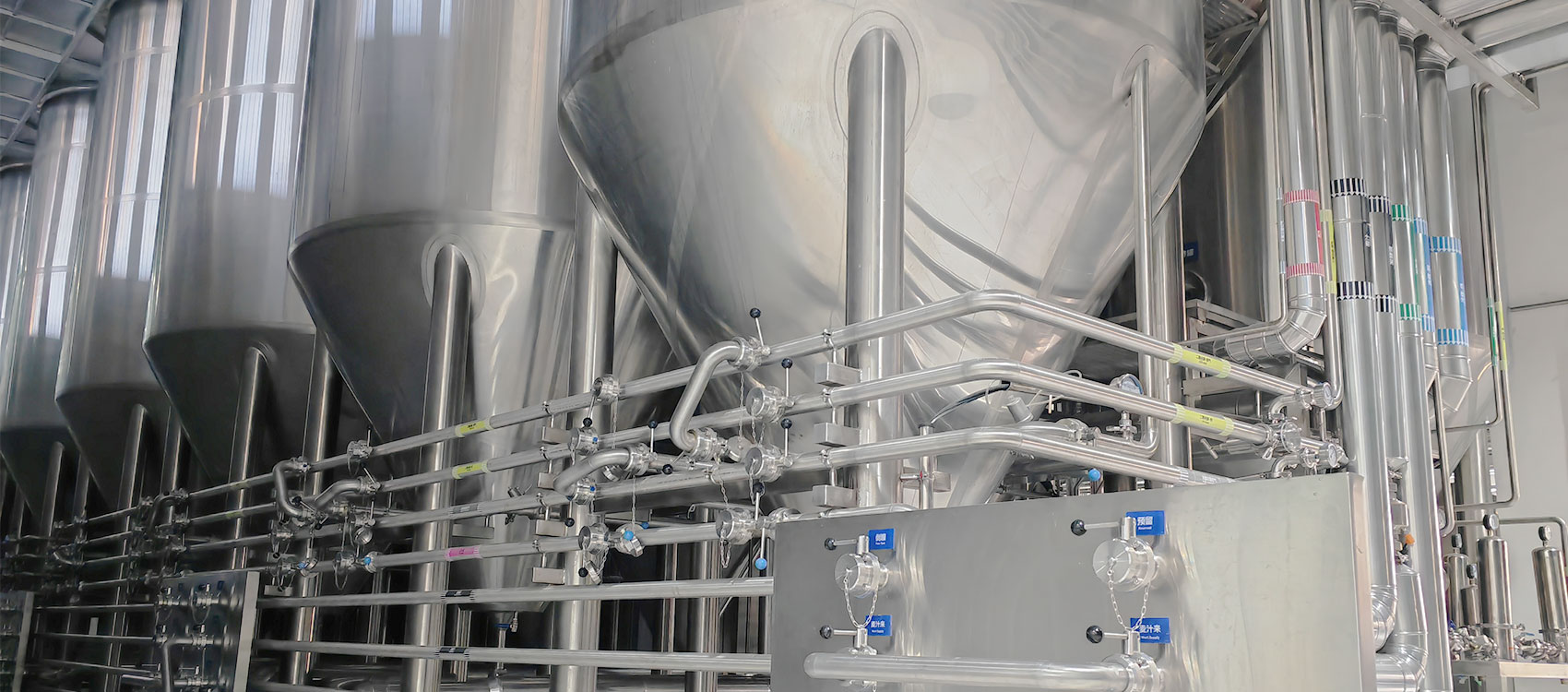
Pressure in the fermenter is a tool, but it must be used with care. Many modern tanks let brewers apply top pressure near the end of fermentation. This can help with carbonation and reduce certain off-flavors. But too much pressure too early can stress yeast and slow the cleanup of unwanted compounds.
Yeast health is another flavor factor tied to tank design. A good conical bottom with a smooth interior and a reliable dump valve lets brewers remove trub and dead yeast at the right time. Healthy yeast produces clean beer. Stressed yeast produces sulfur, diacetyl, and other defects that are hard to fix later.
This is why the fermenter is more than a container. It is the first and most important control point in the craft brewery system. Buyers who compare tanks only by volume and price miss the parts that actually shape flavor: jacket design, valve quality, and interior finish.
The Craft Beer Bottling Line: Protecting What Was Made
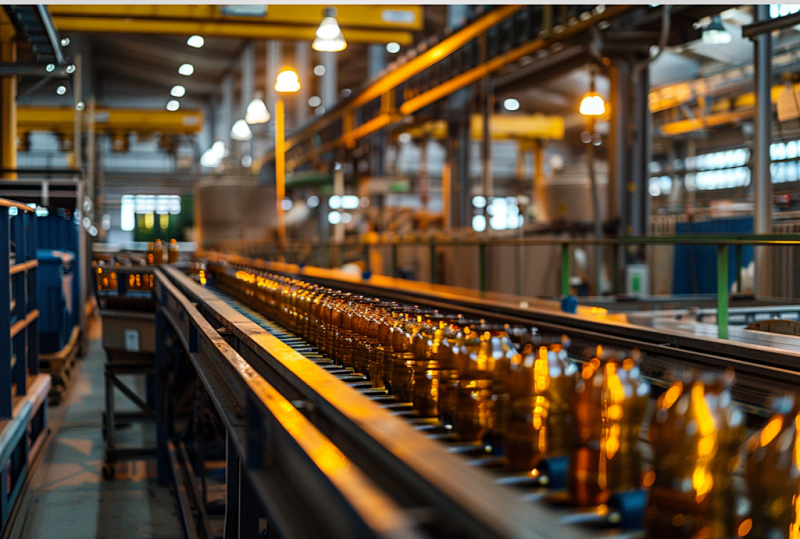
If the fermenter creates flavor, the craft beer bottling line decides how long that flavor survives. Oxygen is the main threat. A small amount is fine during fermentation, but after that, every exposure speeds up staling.
The numbers are clear. Beer packaged at 50–100 ppb total package oxygen (TPO) can stay fresh for months. The same beer at 300–500 ppb may show cardboard and sherry notes within weeks. For a craft brewery selling through local accounts, that difference decides whether customers come back.
Good bottling lines fight oxygen in several ways. Double pre-evacuation pulls air out of the bottle before filling. CO₂ flushing removes oxygen from the headspace. Careful foam management during capping keeps air from being trapped under the crown. Each step adds cost, but each step adds shelf-life.
Oxygen control does not stop at the filler. Every pump, valve, and hose between tank and bottle is a possible entry point. A well-planned craft brewery system keeps transfer distances short and connections sanitary, reducing risk before packaging begins.

Brewhouse Equipment: Setting the Foundation
The hot side of the craft brewery system decides the quality of wort that reaches fermentation. Mash and lauter design affect sugar extraction and how much husk material carries through. Poor separation leaves lipids and tannins in the wort, which can cause harsh bitterness and weak foam.
Whirlpool performance is another quiet factor. Good trub separation before fermentation reduces yeast stress and off-flavors. A weak whirlpool leaves fine hop particles in the wort, and the finished beer may taste sharper than the recipe intended. The brewer may blame the hops, but the real cause is equipment.
Boil kettle design also matters. A strong, steady boil drives off unwanted volatiles and helps protein coagulation. An uneven boil leaves compounds that later appear as cooked-vegetable or solvent-like notes. When brewers talk about “clean wort,” they are often describing what good brewhouse equipment delivers.
Matching Equipment to Beer Style
Different styles need different equipment priorities. A brewery focused on hazy IPA needs fermenters that allow dry hopping with low oxygen pickup. A lager brewery needs precise cold-side temperature control. A sour program needs dedicated vessels to avoid cross-contamination. In every case, the craft brewery system should follow the style, not the other way around.
| Equipment Area | Main Flavor Impact | What to Check |
|---|---|---|
| Fermenter shape and size | Ester level, attenuation, yeast health | Conical vs. wide tank; jacket coverage; pressure rating |
| Fermenter valves and finish | Clean flavor, low contamination risk | Smooth interior; reliable dump valve; sanitary fittings |
| Bottling line oxygen control | Shelf-life and freshness | Double pre-evacuation; CO₂ flush; TPO measurement |
| Brewhouse lauter design | Wort clarity and astringency | Husk separation; run-off speed control |
| Whirlpool and cooling | Trub carryover and cold break | Separation time; heat exchanger performance |
| CIP system | Batch-to-batch consistency | Spray ball coverage; chemical residue control |
This table is not a ranking of importance. It shows that flavor quality is spread across the whole craft brewery system. A strong fermenter cannot fix a weak bottling line, and a fast filler cannot fix poor wort.

Consistency as Beer Moves from Pilot to Production
Many breweries make excellent beer at small volume because the brewer can watch every step. At larger volume, that hands-on control fades. The equipment must hold consistency on its own. This is where the quality of a craft brewery system becomes a business question, not just a technical one.
Inconsistent fermenter temperatures create batch-to-batch variation that drinkers notice. A bottling line that picks up more oxygen on busy days creates freshness problems that are hard to trace. Brewers who understand their craft brewery system can adjust. Brewers who do not spend their time fixing problems instead of designing new beers.
SKE builds brewing systems with these points in mind. Our goal is not to sell the biggest tank or the fastest filler. It is to give brewers predictable control over the variables that shape flavor: temperature, oxygen, and cleanliness. When those variables are under control in the craft brewery system, the beer in the glass matches the beer in the recipe.
FAQ
1.Which part of a craft brewery system matters most for flavor?
There is no single answer. The fermenter shapes yeast character, the bottling line protects shelf-life, and the brewhouse sets wort quality. A craft brewery system is only as strong as its weakest link in the flavor chain.
2.How does fermenter shape change beer flavor?
Tall cylindrical tanks create pressure that can reduce fruity esters, giving a cleaner flavor. Shallower or wider tanks allow more ester expression, which suits wheat beers and many Belgian styles.
3.What oxygen level should a craft brewery target in packaging?
Many quality-focused breweries target total package oxygen below 100–150 ppb. Higher levels are achievable with basic equipment but shorten shelf-life and raise the risk of stale flavors.
4.Can I improve oxygen control without buying a new bottling line?
Often yes. Adding CO₂ flushing, pre-evacuation, or better foam management can reduce oxygen pickup. The first step is measuring current TPO to find where oxygen enters the line.
5.How do I know if my brewhouse is limiting flavor quality?
Watch wort clarity, lauter time consistency, and fermentation performance. If extract yield varies widely or fermentations stall unpredictably, the brewhouse may need attention before adding more fermenter capacity.
6.Why choose SKE for craft beer brewing equipment?
SKE designs craft brewery systems around the variables that shape flavor: stable fermentation temperature, low-oxygen packaging, and cleaning that protects batch consistency. We help brewers match equipment to the styles they actually brew.
Contact Us
If you have any further questions, feel free to reach out!
- Facebook: SKE Equipment Facebook
- Email: info@skeequipment.com
Fill out the contact form below for customized solutions. We fully support all your production equipment demands for breweries and beverage plants.