
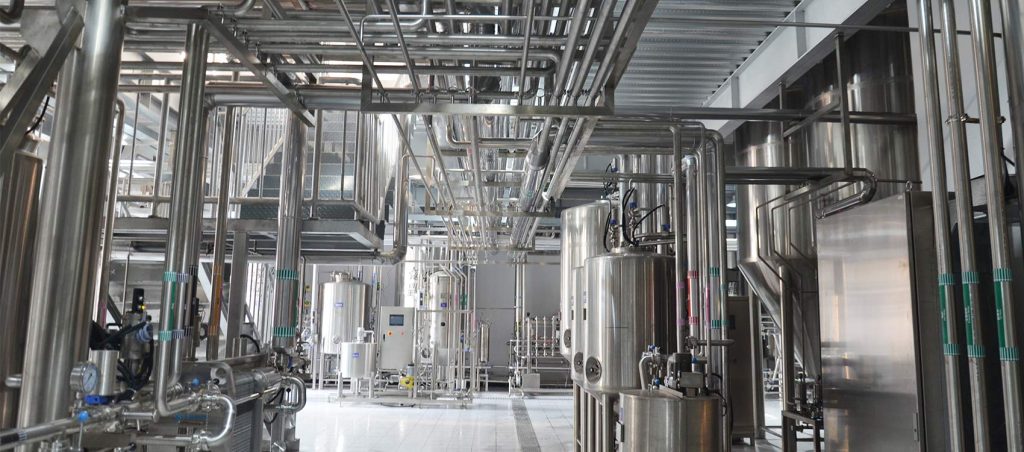
Why Alcohol Fermentation Is Important for Breweries
Alcohol fermentation is one of the most important steps in beer production. During this process, yeast changes sugar into alcohol, carbon dioxide, and flavour compounds. This process gives beer its alcohol content and unique taste.
For a small brewery, fermentation control is important. For a large beer brewery, it is even more important because production volume is much higher. A small change in fermentation conditions can affect thousands of litres of beer.
Modern breweries need reliable equipment to control fermentation. Good temperature control, clean production conditions, and stable tank performance help breweries produce the same beer quality in every batch.
This is why professional large beer brewery equipment plays an important role in modern brewing. The right equipment helps breweries improve production efficiency, reduce problems, and maintain stable product quality.
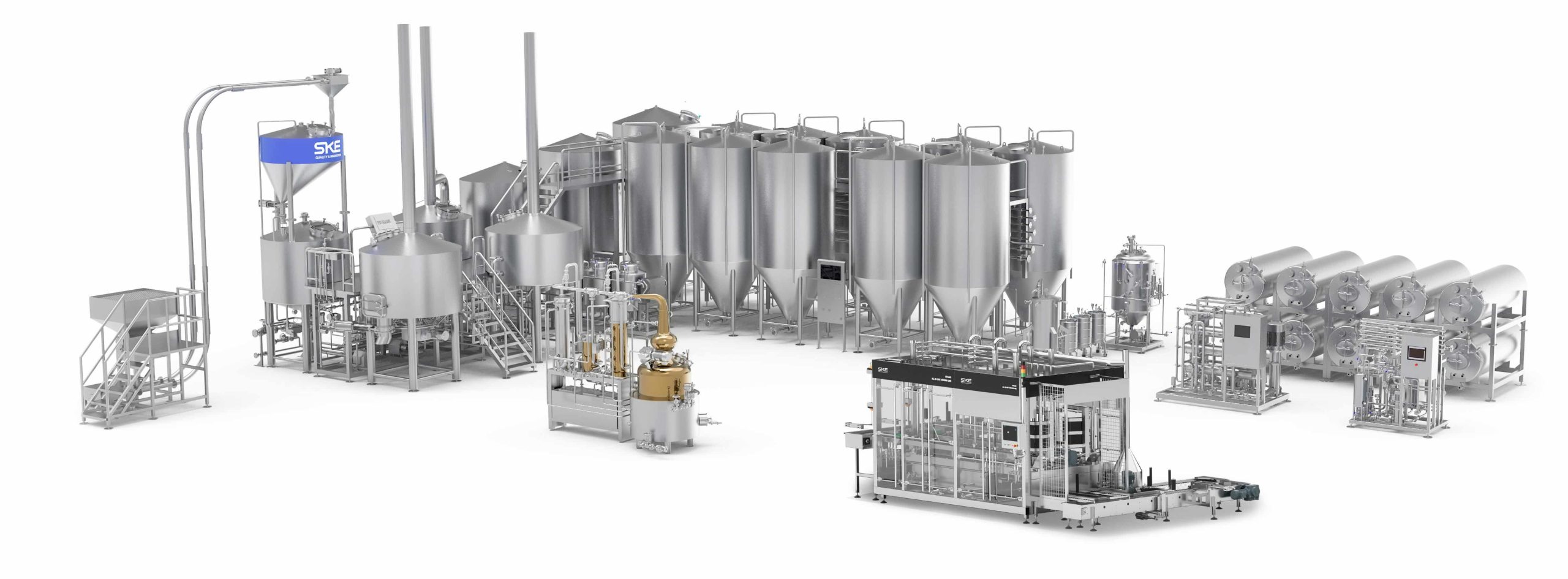
SKE provides professional brewing solutions, including stainless steel fermentation tanks, conical fermenters, CIP systems, and complete brewery systems for medium and large breweries.
What Is Alcohol Fermentation?
Alcohol fermentation is a natural process where yeast converts sugar into alcohol and carbon dioxide.
The process starts after wort preparation. After the wort is cooled to the correct temperature, it enters the fermentation tank. Brewers then add yeast, and fermentation begins.
The basic process is:
| Material | Process | Result |
|---|---|---|
| Sugar from wort | Yeast conversion | Alcohol |
| Sugar from wort | Yeast activity | Carbon dioxide |
| Yeast + fermentation conditions | Flavour development | Beer character |
Although fermentation is a natural process, breweries need good control to achieve stable results.
The main factors affecting alcohol fermentation include:
- Temperature
- Yeast type
- Oxygen level
- Pressure
- Fermentation time
Different beer styles need different fermentation conditions. For example, ale beer usually uses warmer fermentation temperatures, while lager beer requires lower temperatures.
For large breweries, controlling these factors is necessary to keep every batch consistent.
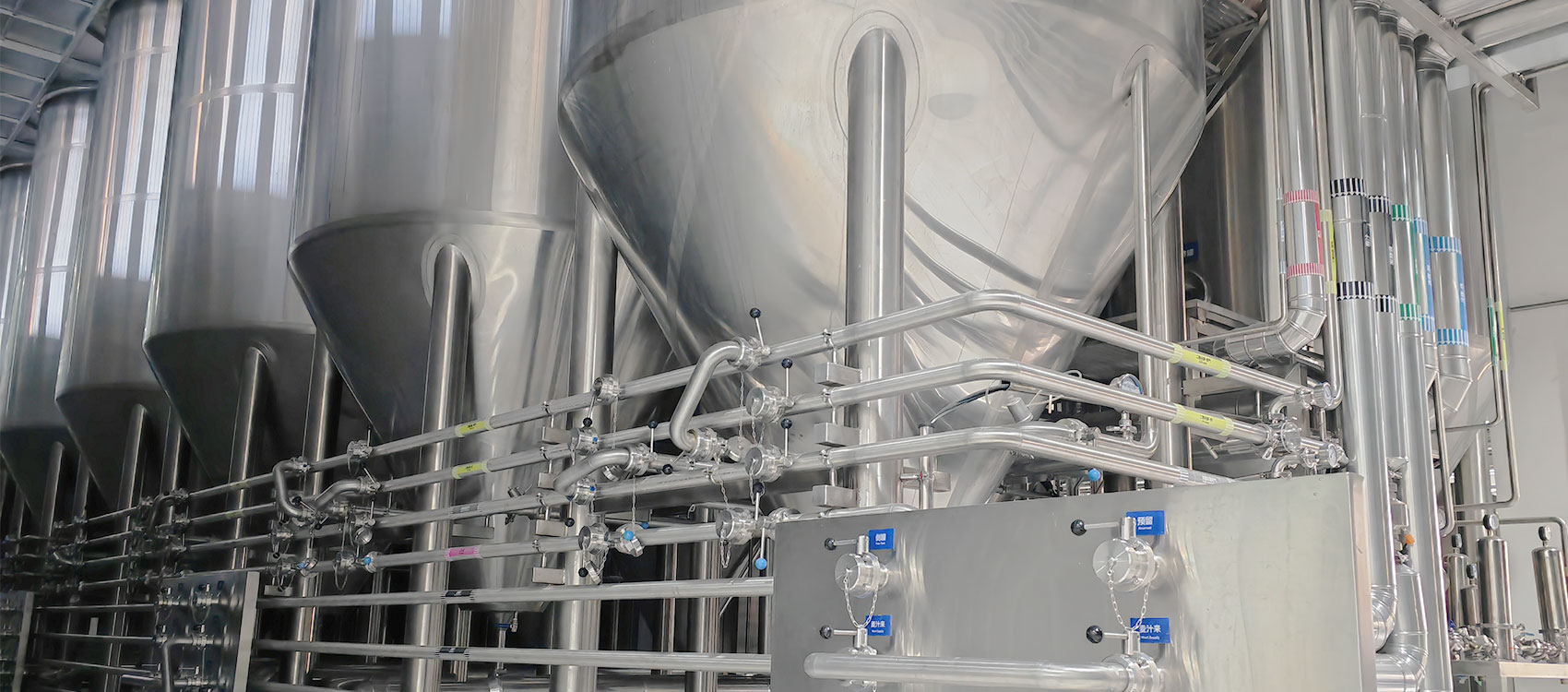
How Alcohol Fermentation Works in Large Beer Breweries
In a modern large beer brewery, fermentation is usually completed inside stainless steel fermentation tanks.
The process includes several important steps.
1. Wort Transfer
After brewing, wort is cooled and transferred into fermentation tanks.
The wort must have:
- Correct temperature
- Suitable sugar level
- Good hygiene conditions
High-quality wort helps yeast work better during fermentation.
2. Yeast Addition
After wort enters the tank, yeast is added.
Healthy yeast helps:
- Convert sugar into alcohol
- Create beer flavour
- Complete fermentation faster
Large breweries often manage yeast carefully because yeast quality affects the final beer.
3. Fermentation Control
During fermentation, breweries monitor important conditions.
| Control Item | Why It Matters |
|---|---|
| Temperature | Controls yeast activity |
| Pressure | Controls carbonation |
| Time | Determines fermentation progress |
| pH | Shows fermentation condition |
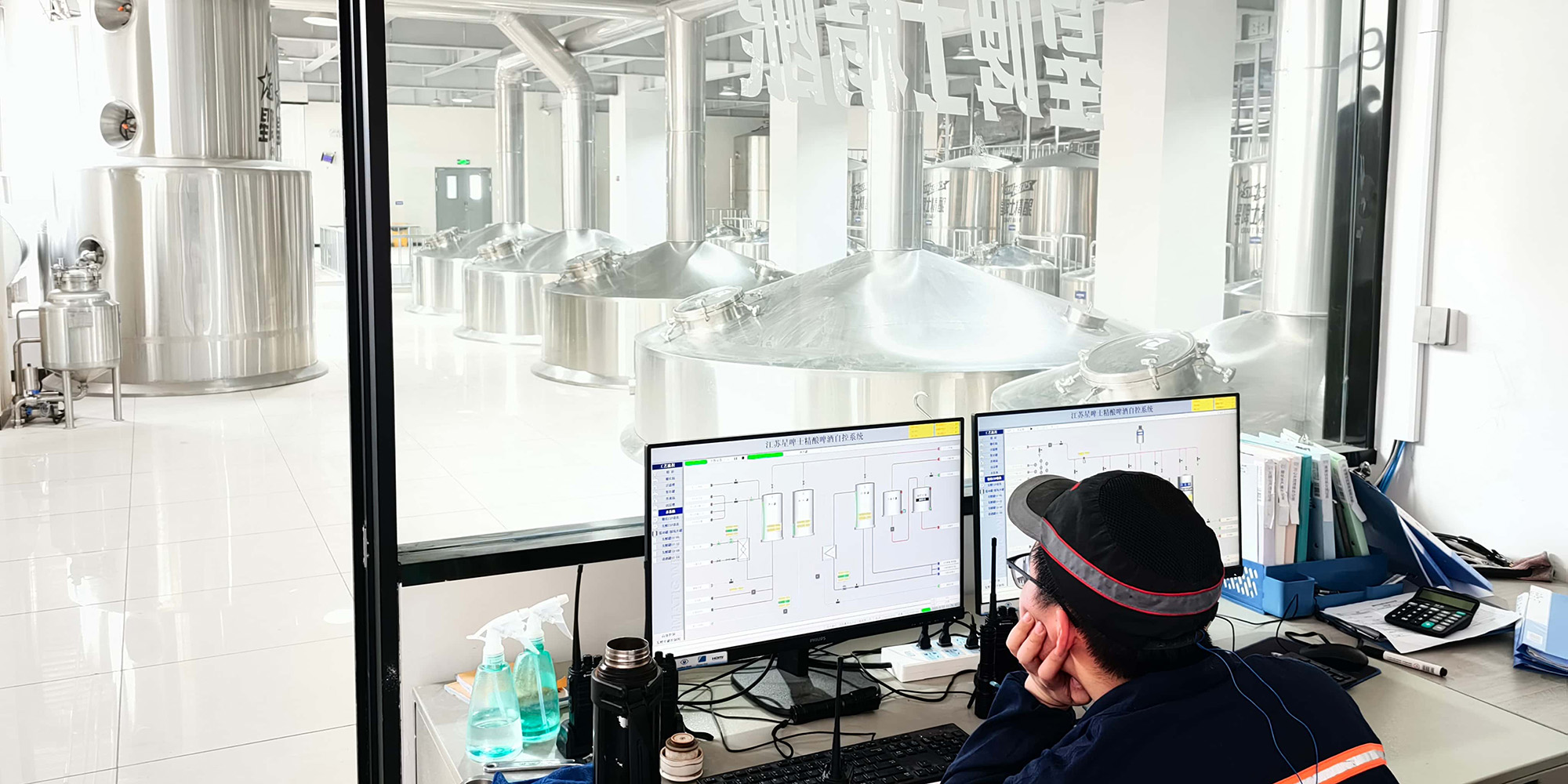
Automatic control systems help operators monitor these factors and make adjustments when needed.
Key Factors Affecting Alcohol Fermentation Quality
Temperature Control
Temperature is one of the most important factors in alcohol fermentation.
If the temperature is too high:
- Yeast may create unwanted flavours
- Beer quality may change
If the temperature is too low:
- Fermentation becomes slow
- Production time increases
Professional fermentation tanks use cooling jackets to keep the temperature stable.
Stable temperature helps breweries:
- Improve beer consistency
- Reduce fermentation problems
- Maintain product quality
Yeast Management
Yeast is the key element in alcohol fermentation.
Different yeast types create different beer flavours. Large breweries need good yeast management to keep production stable.
A conical fermenter is widely used because its cone-shaped bottom helps collect yeast.
Benefits include:
| Feature | Benefit |
|---|---|
| Cone bottom | Easy yeast collection |
| Stainless steel design | Better hygiene |
| Cooling system | Stable fermentation |
| Pressure control | Safe operation |
Good yeast management can help breweries improve efficiency and reduce production waste.
The Role of Large Beer Brewery Equipment in Alcohol Fermentation
Alcohol fermentation depends on more than yeast and fermentation tanks. A complete brewing system needs different types of equipment to prepare, control, and protect the fermentation process.
For a large beer brewery, equipment quality directly affects production efficiency and beer consistency.
Professional large beer brewery equipment usually includes:
| Equipment | Main Function |
|---|---|
| Brewhouse system | Produces high-quality wort |
| Wort cooling system | Cools wort before fermentation |
| Fermentation tank | Supports alcohol fermentation |
| Bright beer tank | Stores and prepares finished beer |
| CIP system | Cleans tanks and pipelines |
| Control system | Monitors production conditions |
Each part works together to create a stable brewing process.
Fermentation Tanks: The Core Equipment for Beer Production
Fermentation tanks are the most important equipment during alcohol fermentation.
Modern breweries mainly use stainless steel fermentation tanks because they are:
- Strong and durable
- Easy to clean
- Suitable for food production
- Good for long-term operation
For large breweries, tank design is very important. A good fermentation tank can help improve:
- Fermentation stability
- Cleaning efficiency
- Production capacity
- Beer quality
Conical Fermenter for Large Breweries
A conical fermenter is one of the most popular fermentation tank designs in commercial breweries.
The cone bottom allows yeast and sediment to collect at the bottom of the tank. Brewers can easily remove and reuse healthy yeast.
Main advantages include:
Better Yeast Collection
The cone design makes yeast collection easier.
This helps breweries:
- Reduce beer loss
- Improve yeast reuse
- Increase production efficiency
Better Temperature Control
Most commercial conical fermenters have cooling jackets.
The cooling system controls fermentation temperature and creates a stable environment for yeast.
Easier Cleaning
Large breweries need fast and reliable cleaning.
Conical fermenters work well with CIP systems. Automatic cleaning reduces manual work and helps maintain high hygiene standards.
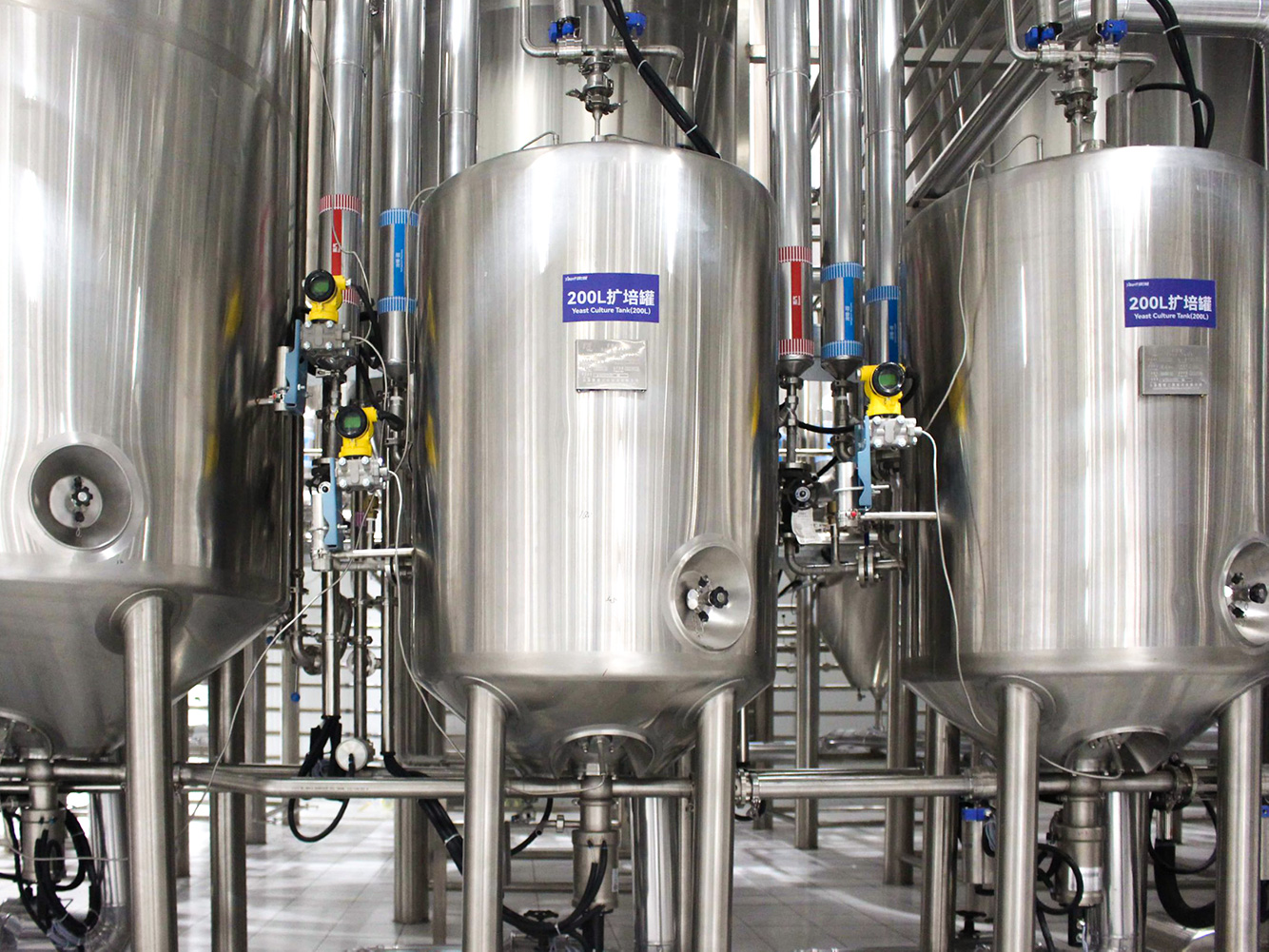
Wine Tank and Its Application in Beverage Production
A wine tank is commonly used in wine production, but it shares some similar features with beer fermentation tanks.
Both wine tanks and beer fermentation tanks require:
- Food-grade stainless steel
- Good temperature control
- Easy cleaning
- Safe operation
However, the applications are different.
| Equipment | Main Application | Main Feature |
|---|---|---|
| Beer fermentation tank | Beer alcohol fermentation | Yeast management and carbonation control |
| Wine tank | Wine fermentation and storage | Suitable for grape juice and wine production |
Although they are used for different beverages, both systems focus on creating a clean and controlled environment.
For beverage producers that make different fermented products, choosing the right tank design is important.
Common Alcohol Fermentation Problems and Solutions
Large breweries often face challenges during fermentation.
The larger the production scale, the more important process control becomes.
| Problem | Impact | Solution |
|---|---|---|
| Unstable temperature | Changes beer flavour | Use accurate cooling systems |
| Poor yeast control | Lower fermentation efficiency | Use conical fermenters |
| Long cleaning time | Reduces production capacity | Use CIP systems |
| Different batch quality | Affects brand reputation | Use automatic control |
| High energy cost | Increases operating expenses | Improve equipment efficiency |
How SKE Helps Breweries Improve Fermentation
SKE focuses on providing complete brewing solutions for medium and large breweries.
The company designs and manufactures:
- Stainless steel fermentation tanks
- Conical fermenters
- Large beer brewery equipment
- CIP cleaning systems
- Complete turnkey brewery solutions
SKE works with customers to design equipment based on their production needs.
The solution can be customized according to:
- Brewery capacity
- Factory space
- Beer type
- Automation requirements
- Future expansion plans
Why Choose SKE Brewery Equipment?
Choosing a reliable equipment supplier is important for long-term brewery operation.
SKE provides:
1. Professional Engineering Support
Every brewery project has different requirements.
SKE helps customers design suitable systems based on production goals and operating conditions.
2. High-Quality Stainless Steel Equipment
SKE uses professional manufacturing processes to produce reliable brewing equipment.
Stainless steel equipment provides:
- Long service life
- Easy cleaning
- Stable performance
3. Complete Brewery Solutions
SKE can support the whole brewery project, from equipment design to installation.
Solutions include:
- Brewing systems
- Fermentation systems
- Storage tanks
- Cleaning systems
- Turnkey brewery projects
This helps customers reduce project complexity and improve installation efficiency.
Frequently Asked Questions (FAQ)
1.What is alcohol fermentation in beer production?
Alcohol fermentation is the process where yeast converts sugar into alcohol and carbon dioxide. It is the key stage that creates beer alcohol and flavour.
2.What equipment is needed for alcohol fermentation?
A typical fermentation system includes fermentation tanks, cooling systems, temperature control equipment, and CIP cleaning systems.
For large breweries, complete large beer brewery equipment solutions help maintain stable production.
3.Why do breweries use stainless steel fermentation tanks?
Stainless steel fermentation tanks are strong, hygienic, and easy to clean. They help breweries maintain stable fermentation conditions and consistent beer quality.
4.What is the difference between a wine tank and a beer fermentation tank?
A wine tank is mainly used for wine production, while beer fermentation tanks are designed for beer fermentation. Both require clean conditions and temperature control.
5.How does a conical fermenter improve brewery production?
A conical fermenter helps collect yeast, improve cleaning, and control fermentation conditions. It is widely used in commercial and large-scale breweries.
Conclusion
Alcohol fermentation is the foundation of beer production. For large breweries, successful fermentation requires more than quality ingredients. It requires reliable equipment, accurate control, and professional engineering support.
Large beer brewery equipment, fermentation tanks, and advanced control systems help breweries produce stable and high-quality beer.
SKE provides customized brewing solutions for breweries around the world. With professional equipment design and manufacturing experience, SKE helps customers build efficient and reliable fermentation systems.
If you have any further questions, feel free to reach out!
- Facebook: SKE Equipment Facebook
- Email: info@skeequipment.com
Fill out the contact form below for customized solutions. We fully support all your production equipment demands for breweries and beverage plants.