
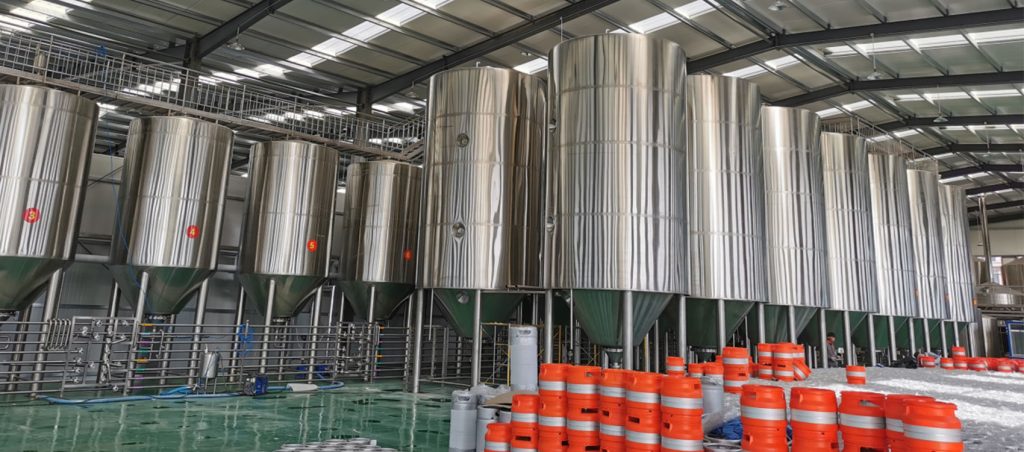
A complete brewing system is more than a few tanks. It is a connected set of vessels, pipes, pumps, and controls that must work together.
Many new brewers ask the same questions. How big should my tanks be? Which tanks do I really need? What is the difference between a beer brewing tank for fermentation and one for storage?
This guide answers those questions in plain language. We will explain the main tanks, share simple selection tips, and show how even the biggest beer company follows the same basic rules.
Key Takeaways
- A brewing system is a connected set of tanks, not a collection of separate machines — sizing one tank without the others creates bottlenecks.
- Fermentation tanks and Bright Beer Tanks (BBTs) look similar but serve different jobs: one drives active fermentation, the other handles conditioning, carbonation, and packaging prep.
- 304 and 316L food-grade stainless steel are the standard tank materials, following the surface and design practices in 3-A Sanitary Standards.
- Undersized glycol cooling is one of the most common bottlenecks as breweries grow — cooling capacity should scale with tank count, not just fermenter volume.
What Is a Brewing System?
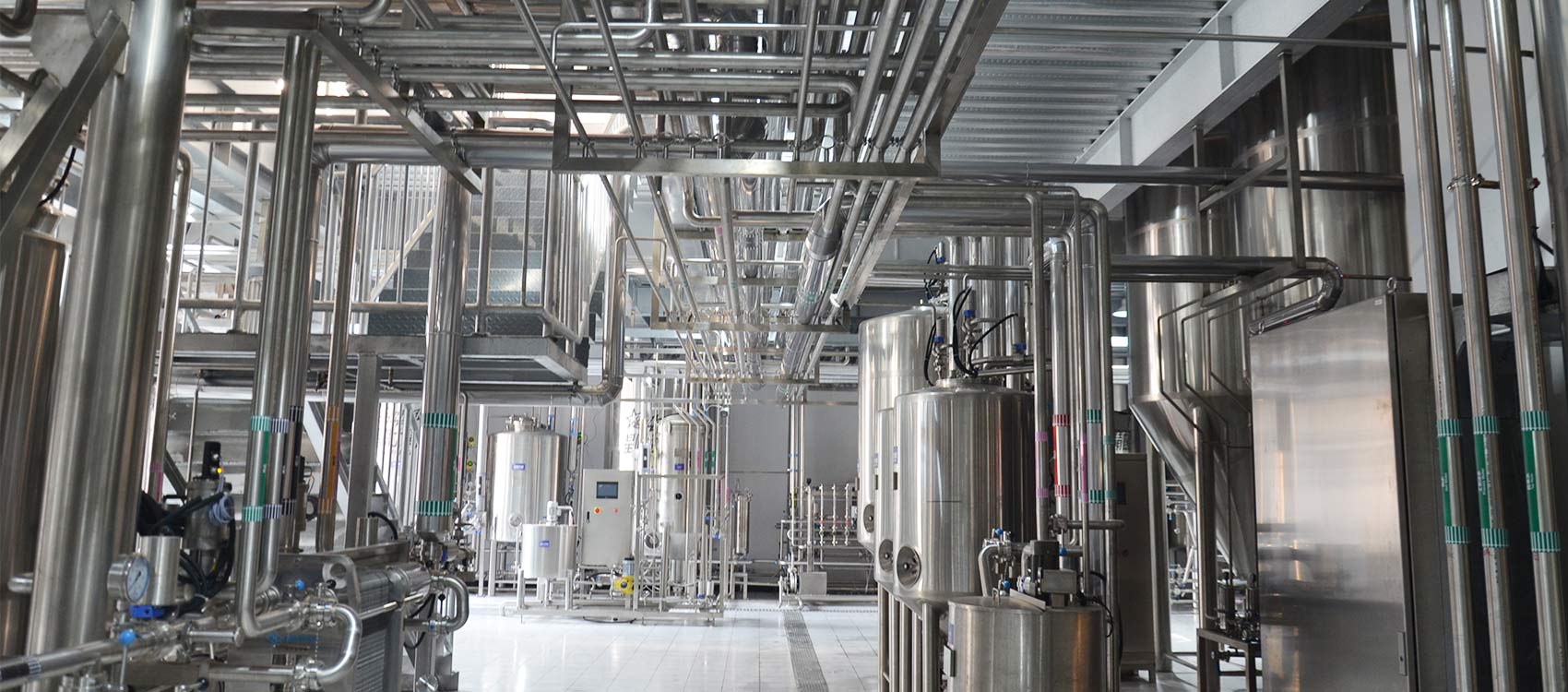
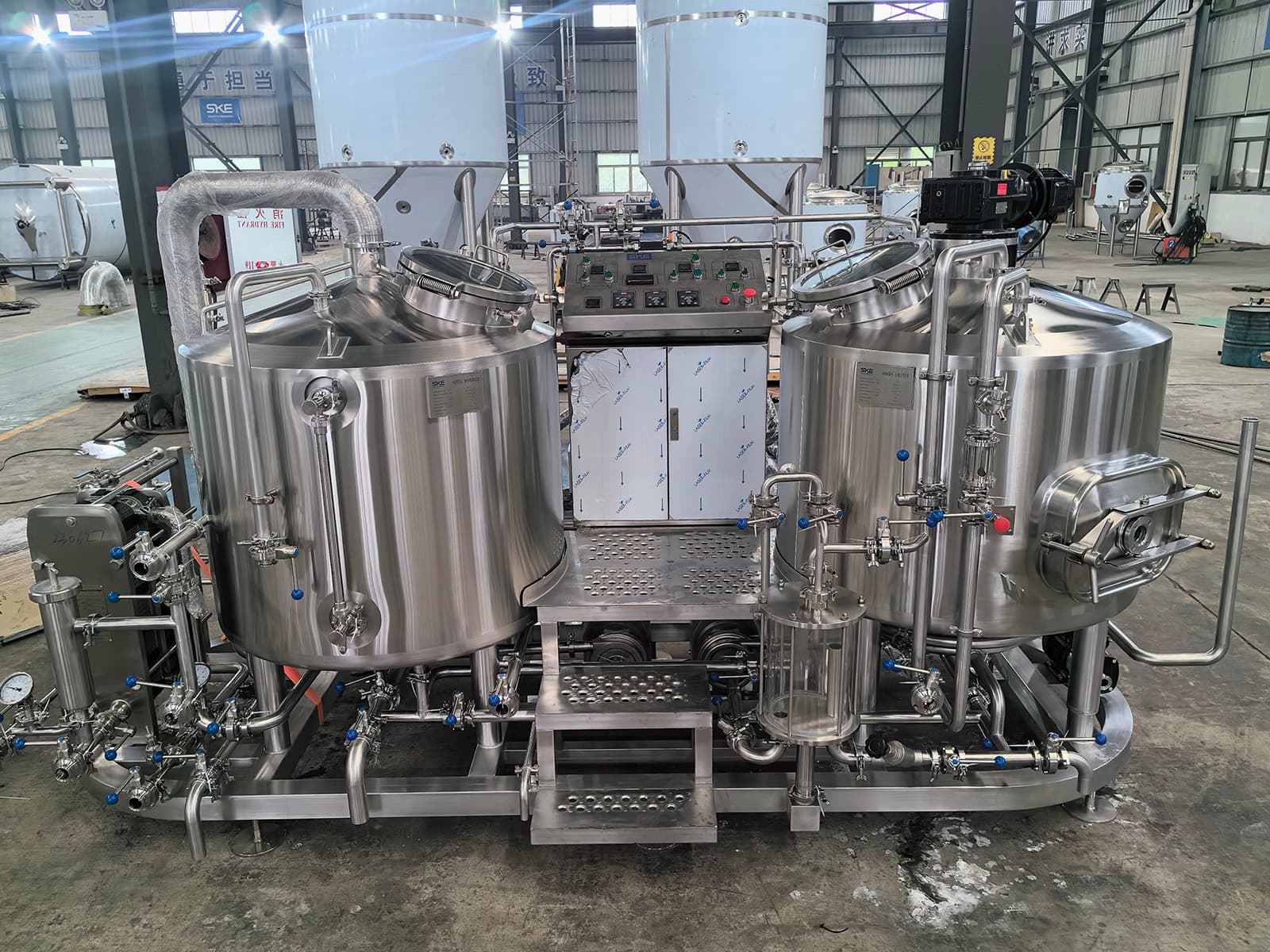
A brewing system is the full set of equipment used to make beer. It includes brewing vessels, fermentation tanks, storage tanks, water tanks, cleaning equipment, pumps, pipes, heat exchangers, and control systems.
The right setup depends on your capacity, beer styles, and process. A typical commercial system may include:
-
Mash tun
-
Lauter tun
-
Brew kettle
-
Whirlpool tank
-
Hot Liquor Tank (HLT)
-
Cold Liquor Tank (CLT)
-
Heat exchanger
-
Fermentation tanks
-
Bright Beer Tanks (BBTs)
-
Beer storage tanks
-
CIP tanks
-
Yeast tanks
-
Glycol cooling system
-
Packaging equipment
These parts do not work alone. They form one production system, and every tank must be sized to match the others.
Main Brewery Tanks in a Brewing System
Each tank has a clear job. Knowing these jobs helps you choose the right equipment.
1. Mash Tun
The mash tun is where beer begins. Crushed malt is mixed with hot water and held at set temperatures. Enzymes then turn starch into fermentable sugar.
This step shapes the beer’s body, sweetness, and strength. Key features include accurate temperature control, stainless steel construction, insulation, good mixing, and easy cleaning.
2. Lauter Tun
The lauter tun separates wort from spent grain after mashing. It usually has a false bottom or filter system. Wort passes through while the grain stays behind.
Hot water is then sprayed over the grain during sparging to recover more sugar. Good separation improves efficiency and keeps production steady.
3. Brew Kettle
The brew kettle boils the wort. During boiling, brewers add hops at different times to build bitterness, flavor, and aroma. Boiling also kills germs and prepares the wort for fermentation.
A commercial brew kettle may include steam or electric heating, temperature control, insulation, CIP spray devices, and wort circulation. Kettle size should match your brewing capacity.
4. Whirlpool Tank
A whirlpool tank is used right after boiling. Hot wort enters at a controlled flow rate. The circular movement collects hop particles and solids in the center.
Clearer wort then goes to the heat exchanger and is cooled before fermentation. A whirlpool can be a separate tank or part of a combined brewhouse design.
5. Hot Liquor Tank (HLT)
A Hot Liquor Tank stores hot brewing water. This water is used for mashing, sparging, equipment cleaning, and other processes.
The tank normally includes heating and temperature control. For a commercial brewery, the HLT should be large enough to support your brewing schedule without slowing production.
6. Cold Liquor Tank (CLT)
A Cold Liquor Tank stores cold or chilled brewing water. Cold water is used for wort cooling and other processes.
A dedicated cold water tank helps you manage cooling demand and improve process control. The CLT is often connected to your cooling and water systems.
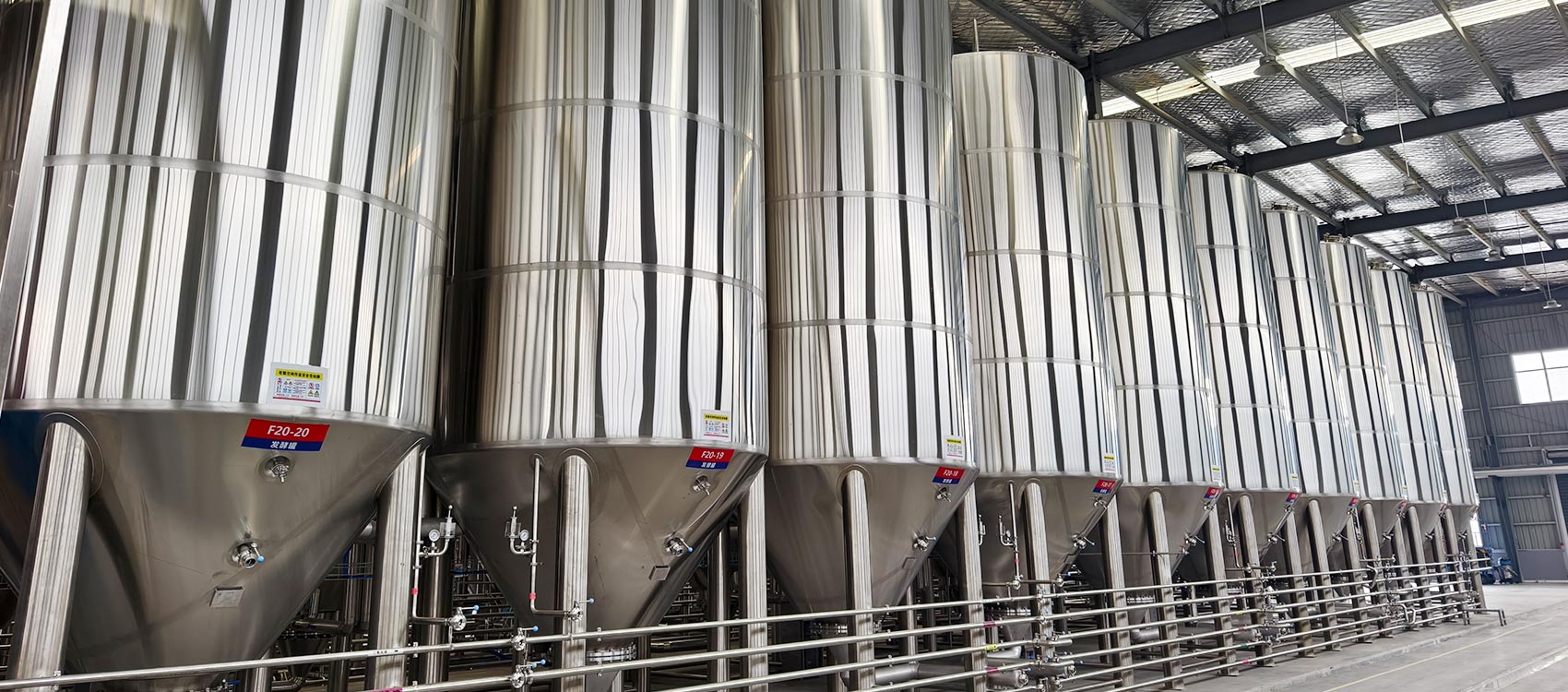
7. Fermentation Tank
The fermentation tank is where beer truly begins. After the wort is cooled, it goes into this vessel and yeast is added. Over the next 5–14 days, yeast turns sugar into alcohol and CO₂ under controlled temperature and pressure.
A well-designed fermenter does not just hold beer. It shapes its flavor, clarity, and consistency.
Commercial fermentation tanks are usually made from food-grade stainless steel. Common features include a cooling jacket, insulation, pressure control, temperature sensor, CIP spray ball, sanitary valves, and CO₂ connection.
8. Bright Beer Tank (BBT)
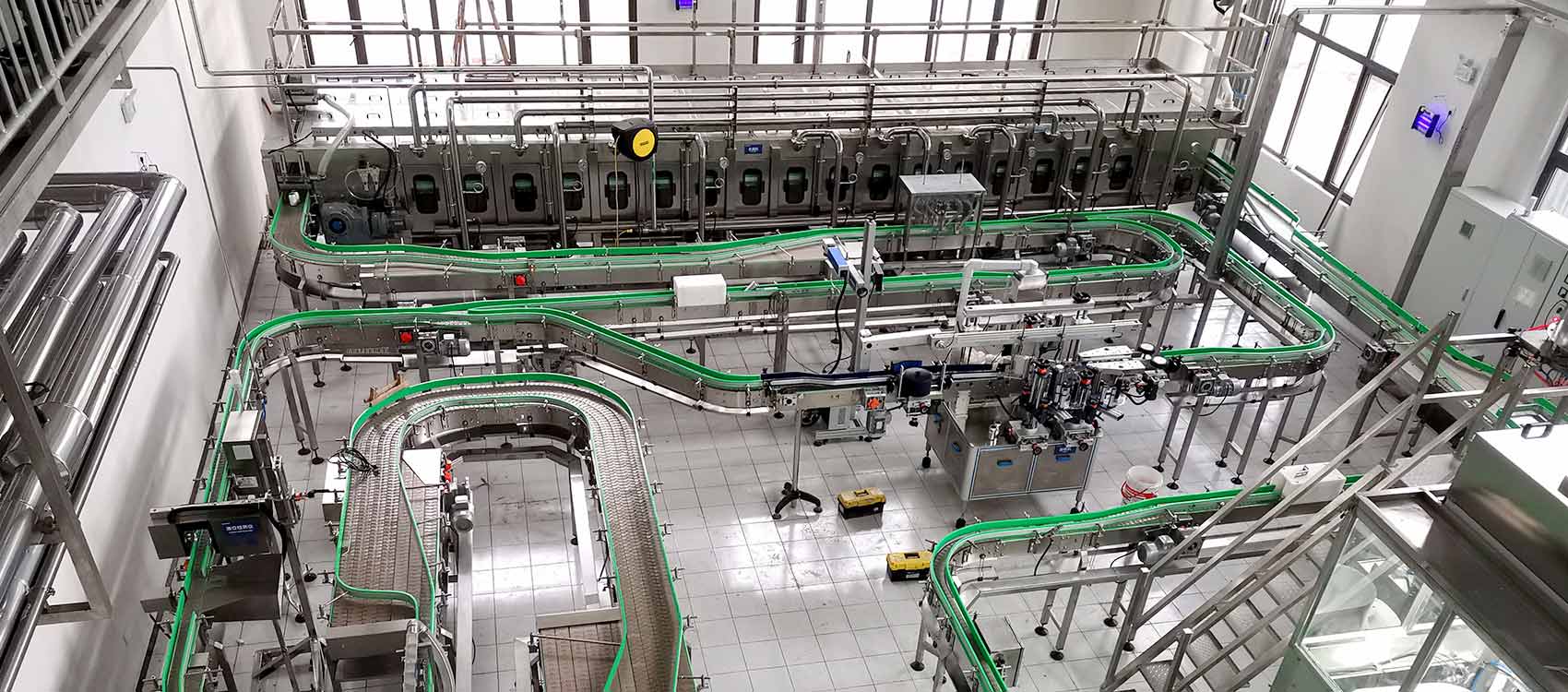
A Bright Beer Tank holds finished or nearly finished beer before packaging. After fermentation and conditioning, beer moves to the BBT for final processing.
A bright beer tank can be used for conditioning, carbonation, clarification, short-term storage, and packaging preparation. For high production volumes, multiple BBTs help separate batches and support continuous packaging.
9. Beer Storage Tank
A beer storage tank holds beer for a period before the next production or packaging step. Depending on your design, storage tanks may hold finished beer, intermediate beer, or other process streams.
Storage tanks need suitable temperature control, sanitary construction, and pressure protection when required.
10. CIP Tank
Cleaning is essential in commercial brewing. A CIP tank is part of the cleaning system used to prepare and circulate cleaning solutions.
CIP means Clean-in-Place. It allows tanks, pipes, and equipment to be cleaned without taking them apart. A good CIP system reduces manual work and improves cleaning consistency—one of the biggest factors in beer quality.
11. Yeast Tank
A yeast tank stores and manages brewing yeast. After fermentation, you can collect yeast and reuse it for future batches.
A sanitary yeast tank protects the yeast from contamination and makes handling easier. Tank size depends on your fermentation capacity and yeast management.
12. Glycol Tank
A glycol system provides cooling for brewery tanks. Fermentation tanks and bright beer tanks often need controlled cooling. Chilled glycol runs through tank cooling jackets to remove heat.
The cooling system should match the number and size of your tanks, plus your production schedule. Undersized cooling is one of the most common problems in growing breweries.
How Brewery Tanks Work Together
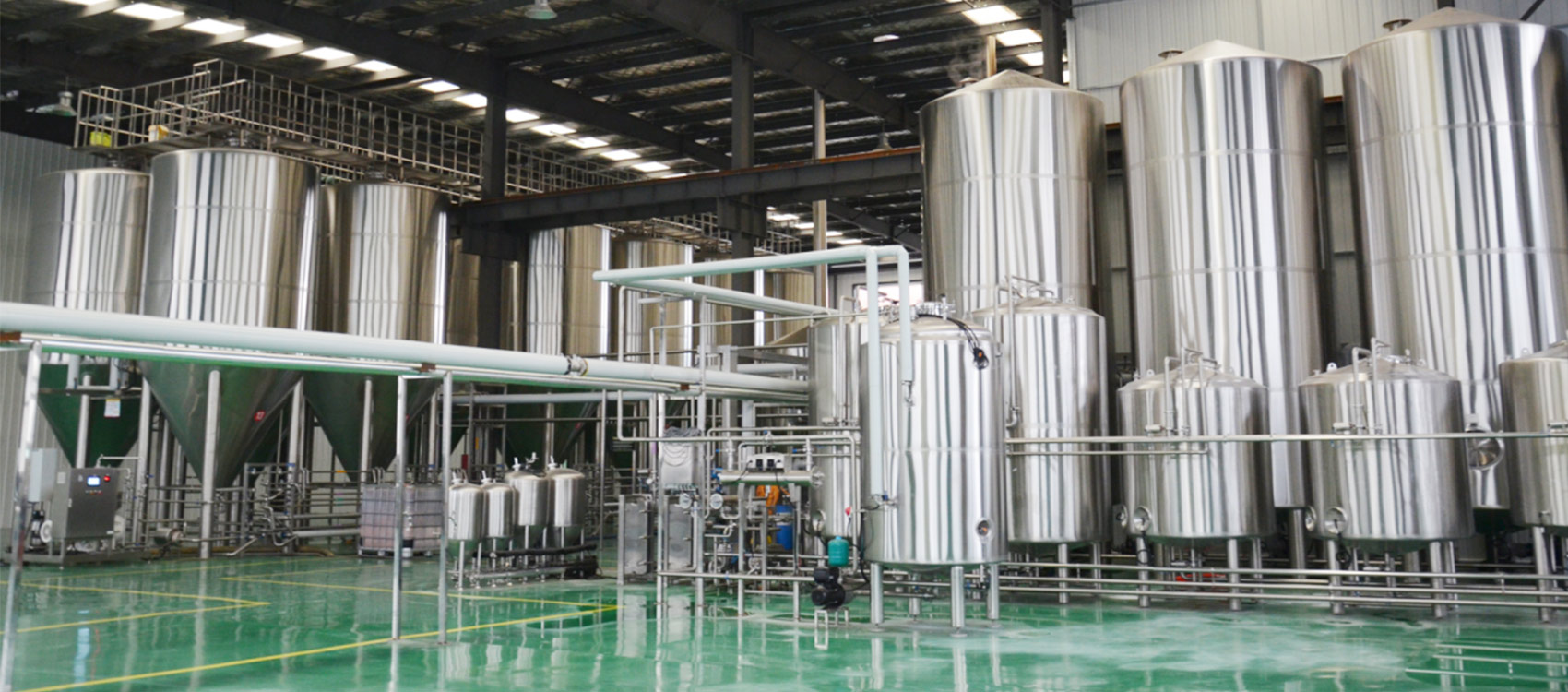
A commercial brewing system is not just a group of separate tanks. The tanks are connected through pipes, pumps, valves, heat exchangers, and controls.
A simplified process looks like this:
Brewing Water → Mash Tun → Lauter Tun → Brew Kettle → Whirlpool → Heat Exchanger → Fermentation Tank → Bright Beer Tank → Packaging
At the same time, other tanks support the main process:
-
Hot Liquor Tank → Mashing and Sparging
-
Cold Liquor Tank → Wort Cooling
-
Glycol System → Tank Cooling
-
CIP Tank → Cleaning
-
Yeast Tank → Yeast Management
If one part is undersized, the whole system slows down.
How the Biggest Beer Company Gets Consistent Results
The biggest beer company in the world produces billions of liters every year. Its brewing systems are far larger than a craft brewery’s—but the basic rules are the same.
Their brewhouses use huge mash tuns and boil kettles that process thousands of hectoliters per batch. Fermentation halls may contain hundreds of tanks, all connected to automated glycol cooling and CIP systems.
What really sets them apart is control. Every tank is monitored by sensors for temperature, pressure, and flow. PLC and SCADA systems adjust conditions in real time. This is how they keep the taste of a beer the same in every bottle, no matter where it is brewed.
For smaller breweries, the lesson is simple: the biggest beer company succeeds because its brewing system works as one connected unit, not as separate machines.
Fermentation Tank vs. Bright Beer Tank
| Feature | Fermentation Tank | Bright Beer Tank |
|---|---|---|
| Main function | Fermentation | Conditioning and storage |
| Yeast activity | Active fermentation | Usually no active fermentation |
| Temperature control | Yes | Yes |
| Pressure control | Common | Common |
| Carbonation | Possible | Common |
| Packaging preparation | No | Yes |
Some breweries use unitanks that can do both fermentation and conditioning. For a growing brewery, starting with unitanks and adding dedicated BBTs later is a common path.
Brewery Tanks for Different Production Scales
| Brewery Type | Typical Tank Needs |
|---|---|
| Small Craft Brewery | Small brewhouse, 2–4 fermenters, 1–2 BBTs, HLT, basic CIP |
| Growing Brewery | More fermenters, dedicated BBTs, larger water and cooling systems |
| Commercial Brewery | Large brewhouse, multiple fermentation and storage tanks, automated CIP |
| Large-Scale Brewery | High-capacity tanks, advanced automation, large cooling and water systems |
The exact setup should be based on your production plan, not simply on choosing the largest tank available.
SKE Brewing Systems and Brewery Tanks
SKE is a professional beer equipment manufacturer providing stainless steel tanks and complete brewery systems.
Our equipment supports new brewery projects, brewery expansion, capacity upgrades, old tank replacement, custom equipment, and complete brewing systems.
We provide brewhouse vessels, fermentation tanks, bright beer tanks, storage tanks, CIP tanks, and water tanks. Tank design can be adapted to your capacity, layout, process needs, and automation level.
From single stainless steel tanks to complete brewery systems, SKE supports customers from design and manufacturing to installation, commissioning, and operator training.
FAQ
1.What is a brewing system?
A brewing system is a group of tanks and equipment used to produce beer. It can include a brewhouse, fermentation tanks, bright beer tanks, water tanks, CIP equipment, cooling systems, and packaging equipment.
2.What tanks are used in a commercial brewery?
Common tanks include mash tuns, lauter tuns, brew kettles, whirlpool tanks, fermentation tanks, bright beer tanks, hot liquor tanks, cold liquor tanks, CIP tanks, yeast tanks, and beer storage tanks.
3.What is the difference between a fermenter and a bright beer tank?
A fermenter is mainly used for yeast fermentation. A bright beer tank is mainly used for conditioning, carbonation, and holding finished beer before packaging.
4.What material is used for brewery tanks?
Food-grade stainless steel is widely used because it is strong, corrosion-resistant, and easy to clean. Common grades include 304 and 316L, sized and finished according to 3-A Sanitary Standards for hygienic equipment.
5.How do I choose the right brewery tank size?
Tank size depends on production volume, batch size, fermentation time, packaging capacity, and brewery layout.
6.Do brewery tanks need cooling?
Many brewery tanks need temperature control. Fermentation tanks and bright beer tanks commonly use cooling jackets connected to a glycol cooling system.
7.What is a CIP tank used for?
A CIP tank is used to prepare and supply cleaning solutions for cleaning tanks, pipes, and other brewery equipment without taking the equipment apart.
8.How does the biggest beer company keep its beer consistent?
The biggest beer company uses automated brewing systems with sensors, PLC control, and strict CIP schedules. This keeps temperature, pressure, and cleaning consistent across every batch.
9.Can SKE customize brewery tanks?
Yes. SKE can design and manufacture stainless steel brewery tanks based on production capacity, process requirements, brewery layout, and other project needs.
Still have questions? Our team responds within 24 hours.
Written by Mandy, Marketing Specialist at SKE Equipment with two years of experience covering the company’s brewing and beverage processing equipment. Technical details in this guide were reviewed by SKE’s engineering team before publication.
Conclusion
A modern brewing system is made up of many tanks and supporting equipment. The mash tun prepares the mash, the lauter tun separates wort from grain, the brew kettle boils the wort, and the whirlpool helps separate solids.
After cooling, fermentation tanks provide a controlled environment for yeast. Bright beer tanks then support conditioning, carbonation, and packaging preparation. Water tanks, CIP tanks, yeast tanks, and glycol systems provide extra support.
Choosing the right beer brewing tank is important for efficiency, cleaning, temperature control, product quality, and future growth. Even the biggest beer company in the world relies on the same basic rules—just at a much larger scale.
For breweries planning a new project or upgrading an existing system, the best solution is not always the biggest system. It is the system designed around your real production needs.
SKE provides stainless steel brewery tanks and complete brewing systems for breweries of different sizes. With custom design and project support, SKE can help you build a practical and reliable brewing system for long-term production.
- Facebook: SKE Equipment Facebook
- Email: info@skeequipment.com
Fill out the contact form below for customized solutions. We fully support all your production equipment demands for breweries and beverage plants.