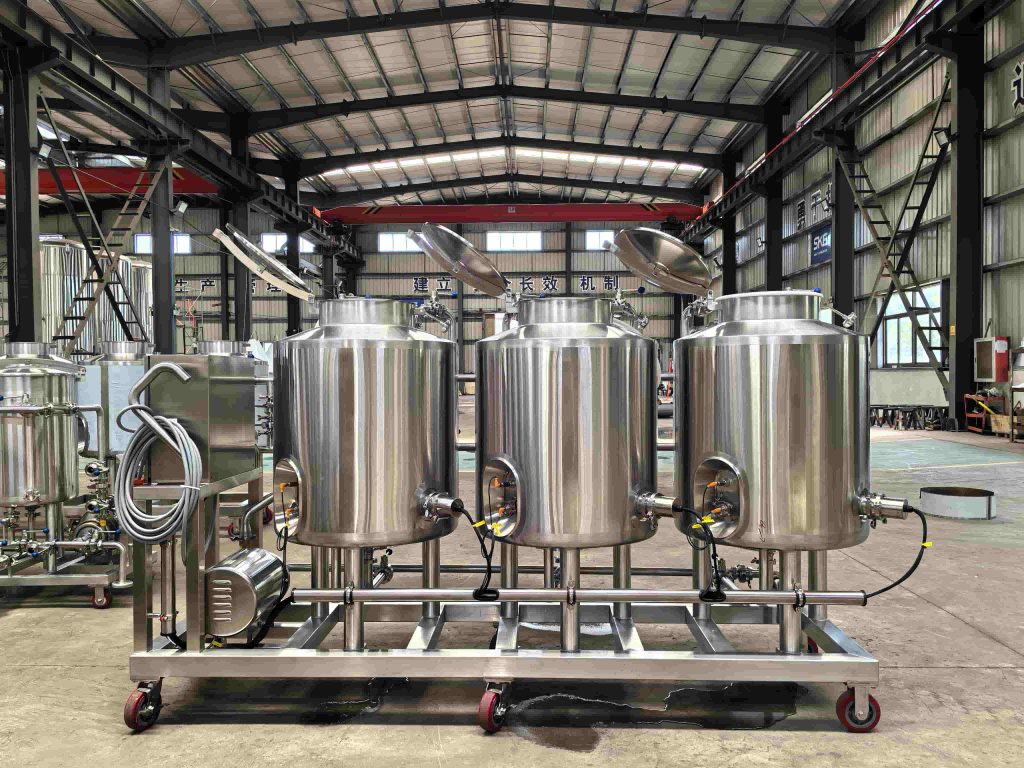
For any brewery, cleanliness is not just about appearances. It is the foundation of great beer. In the world of medium and large-scale production, the CIP system (Clean-in-Place) is the silent workhorse that ensures every batch meets the highest standards of quality and safety . Without a properly designed and maintained CIP system, even the most expensive brewhouse can produce inconsistent, contaminated beer. This is why the world’s largest beer companies rely on sophisticated sanitation protocols.
As a brewery grows, the complexity of cleaning increases significantly. Whether you are a regional craft brewery looking to expand or an established player, understanding the nuances of brewery equipment cleaning and maintenance is essential. This article explores the critical role of the CIP system, offering guidance on selection, maintenance, and operational efficiency for the modern brewer. Companies like SKE are dedicated to providing robust solutions that meet these rigorous demands.
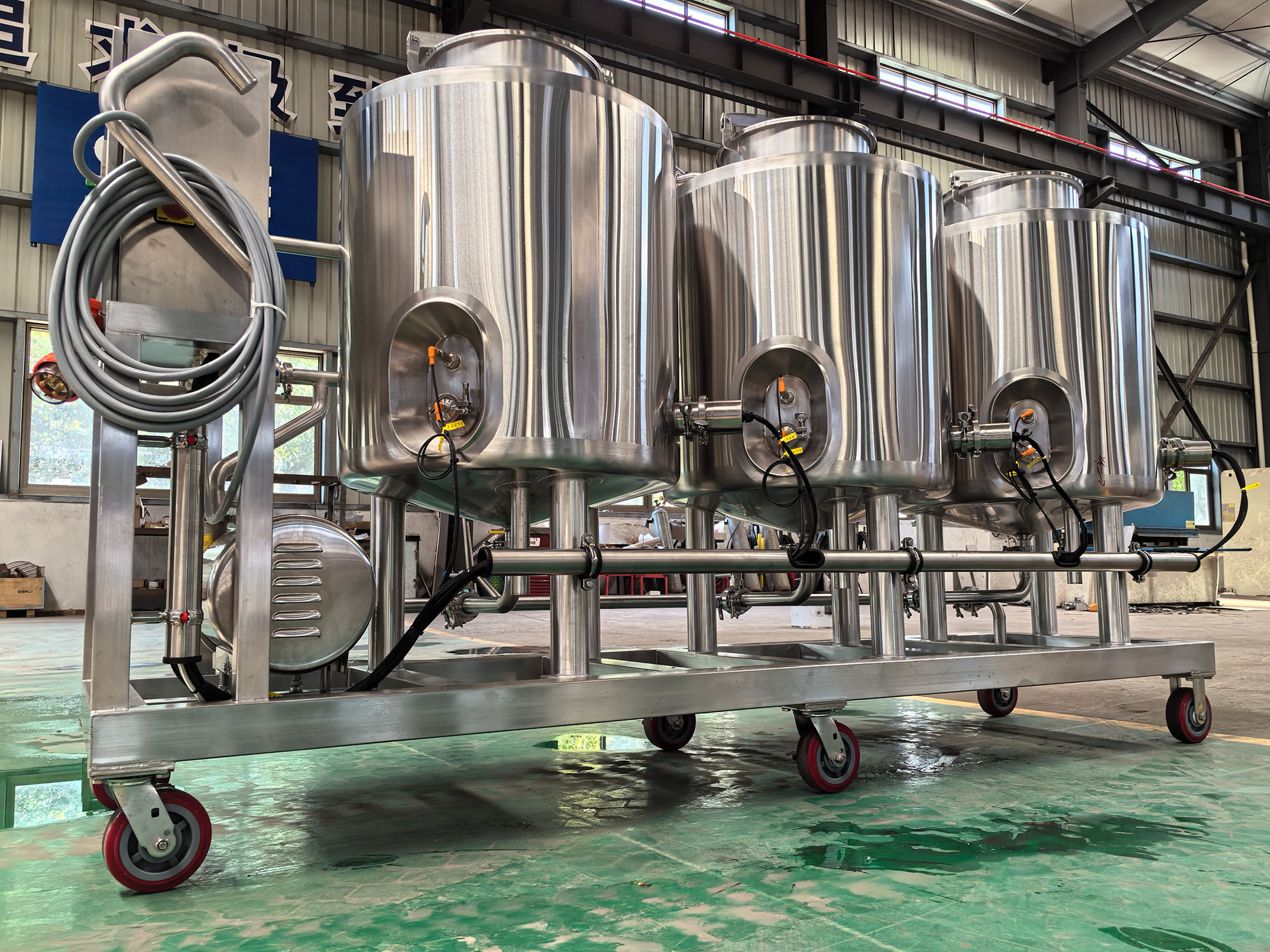
The concept of CIP is simple but the execution requires precision. Instead of dismantling tanks and pipes for manual cleaning, the CIP system circulates cleaning solutions—like caustic and acid—through the equipment . This automated process saves labor, reduces chemical exposure, and ensures repeatable results. For a brewery, this translates directly to beer equipment longevity and consistent product quality. A single flaw in the cleaning cycle can lead to infection, ruining an entire batch of craft beer.
Why CIP System Matters: The Backbone of Quality
The CIP system is more than just a tool; it is a strategic asset. It directly impacts a brewery’s bottom line through efficient use of water, energy, and chemicals . For instance, implementing an optimized cleaning procedure can reduce water usage by up to 50%, as demonstrated by projects with major brewers . This efficiency is why many of the largest beer companies continuously invest in upgrading their CIP stations.
The craft beer United States market is highly competitive. Consumers expect consistent flavor profiles. Any residue left in a fermenter can introduce off-flavors or spoilage organisms. A reliable CIP system provides the peace of mind that every surface is free of biological and organic soils. This is crucial for maintaining the integrity of diverse craft beer brands, where yeast and hop profiles must remain pure.
Moreover, modern CIP systems offer traceability and data logging. This aligns with the strict quality assurance practices of largest beer companies. For breweries in the craft beer United States segment, this level of documentation is vital for compliance and brand reputation. By automating the process, you reduce human error and ensure that every cleaning cycle meets the validated parameters.
Selecting the Right CIP System for Your Brewery
Choosing the right CIP system for your brewery equipment depends on several factors: scale, layout, and automation goals. A small brewpub might use a mobile, single-tank system, while a large regional brewery requires a multi-tank, fully automated station.
Here is a breakdown of common CIP system configurations:
| System Type | Typical Brewery Size | Key Features | Best Suited For |
|---|---|---|---|
| Mobile CIP | Small to Medium (1-10 HL) | Simple controls, manual valve operation, flexibility for multiple tank locations . | Brewpubs and pilot systems requiring versatility. |
| Single-Use CIP | Small to Medium | Fresh solution used once, simple design, lower initial investment . | Breweries where chemical reuse is not a priority. |
| Multi-Tank CIP (Re-use) | Medium to Large (10+ HL) | Recovery tanks for caustic and acid, automated controls, saves chemicals and water . | Craft beer producers focused on sustainability and efficiency. |
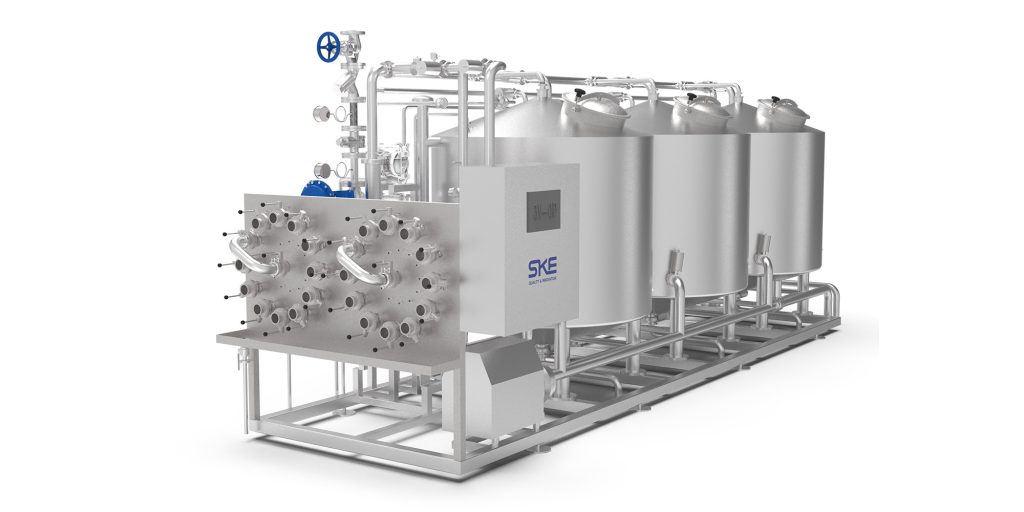
| Fully Automated CIP | Large to Global | PLC controlled, flow/conductivity/temperature monitoring, integration with mix-proof valves . | High-volume operations and largest beer companies. |
For mid-sized brewers, a three or four-vessel system is the sweet spot. It allows for the recovery of caustic and acid, significantly reducing chemical costs. Selecting a system with a reliable heat exchanger ensures the cleaning solutions are maintained at the optimal temperature for maximum effectiveness. Manufacturers like SKE offer customizable solutions that integrate seamlessly with new or existing beer equipment.
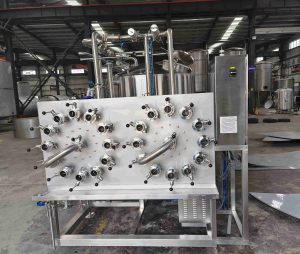
Mastering CIP System Maintenance
Investing in a sophisticated CIP system is only the first step. Regular maintenance is critical to prevent costly downtime and ensure sanitary conditions. A well-maintained system guarantees that cleaning parameters—time, temperature, chemical concentration, and mechanical action (TACT)—are always met.
Here are five maintenance priorities for brewery equipment operators:
-
Regularly Inspect Spray Devices: Spray balls and rotary jet heads are the heart of tank cleaning. They must be checked for blockages and wear. A clogged spray ball will not reach the “dead spots” inside a tank, leading to contamination risks.
-
Calibrate Sensors and Probes: The CIP system relies on temperature probes, flow meters, and conductivity sensors. Regular calibration ensures the system reads correct values, otherwise, you might be using the wrong chemical strength or flow rate.
-
Monitor Pump Performance: The CIP supply and return pumps must maintain the required pressure and flow rate. If the pump struggles, pipes won’t achieve turbulent flow for effective cleaning.
-
Check Valves and Seals: Worn seals or faulty valves can cause leaks or allow cleaning solutions to mix, compromising the wash.
-
Conduct Visual Inspections: While sensors are useful, nothing replaces a manual check. Periodic audits of tank cleanliness should be performed to validate the CIP system performance.
Change management is also vital. When you improve your CIP system settings (e.g., reducing cycle time), you must standardize the new procedure. Using a PDCA (Plan-Do-Check-Act) approach helps lock in these improvements . This ensures that the increased uptime and efficiency benefits are sustained long-term.
Frequently Asked Questions (FAQ)
Q: What is the TACT principle in CIP cleaning?
A: TACT stands for Time, Action, Chemicals, and Temperature. These are the four pillars of effective cleaning. A successful cleaning cycle requires the right chemical concentration, the correct temperature to activate the chemicals, sufficient mechanical action (flow/pressure), and enough time to allow the chemistry to work.
Q: What is the difference between a static spray ball and a rotary jet head?
A: A static spray ball relies on the pressure of the liquid to create a spray pattern; it is less effective for removing heavy soil like yeast rings. A rotary jet head uses mechanical rotation and high-impact jets to remove stubborn residues, significantly reducing cleaning time and chemical usage.
Q: Is it better to have a single-use or a recovery CIP system?
A: It depends on your brewery’s size. Single-use systems are cheaper upfront and simpler to operate, making them ideal for very small operations. However, for medium to large breweries, a recovery (re-use) CIP system is more cost-effective over time because it reuses water and chemicals, saving money and reducing environmental impact.
Q: How do the largest beer companies manage their cleaning processes?
A: The largest beer companies use fully automated CIP systems with multiple tanks for different chemicals. These systems run 24/7, are monitored via PLCs (Programmable Logic Controllers), and often integrate with larger plant management networks for real-time control and data logging.
Q: Can a CIP system clean pipes and tanks simultaneously?
A: Yes, larger breweries often have complex CIP networks that allow for the cleaning of tanks and transfer lines simultaneously. Advanced systems with multiple pumps can supply cleaning solution to different areas of the brewery at the same time, maximizing efficiency and reducing downtime.
Conclusion
The CIP system is the unsung hero of every successful brewery. It protects the integrity of your craft beer, supports the sustainability goals of the largest beer companies, and ensures the consistency demanded by craft beer brands today. Whether you are scaling up production or optimizing your current operations, focusing on the selection and maintenance of this critical equipment is paramount.
By choosing a robust system that fits your scale and committing to a rigorous maintenance schedule, you safeguard your product quality and operational efficiency. For breweries looking to enhance their operations, partnering with experienced equipment manufacturers like SKE can provide the expertise and technology needed to keep your production lines clean, efficient, and profitable.
If you have any further questions, feel free to reach out!
- Facebook: SKE Equipment Facebook
- Email: info@skeequipment.com
Fill out the contact form below for customized solutions. We fully support all your production equipment demands for breweries and beverage plants.