
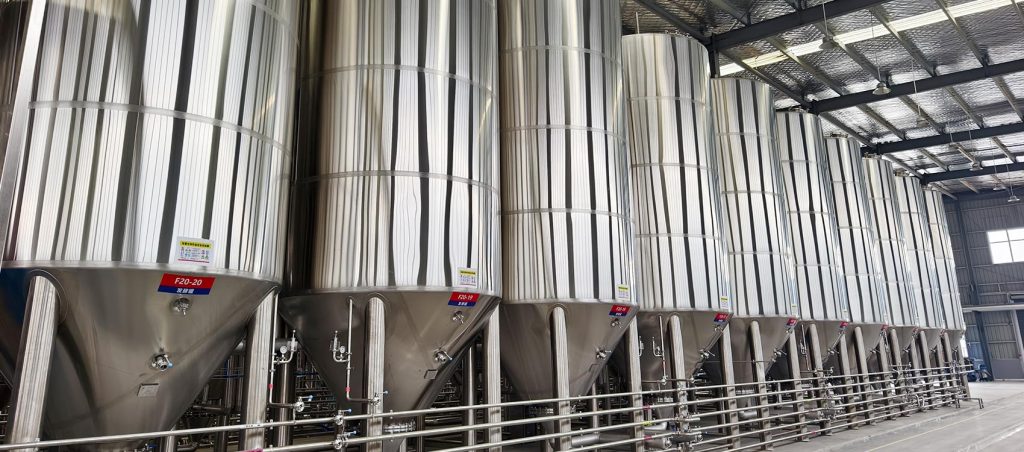
For brewery owners and operators, choosing the right beer tank is one of the most important decisions they will make. A good tank ensures consistent quality. A poor tank can ruin batches, waste time, and increase costs. This is why professional brewers pay close attention to their commercial brewing equipment.
This guide will explore the main types of beer tanks used in modern breweries. We will focus on mixing vessel technology, Fermentation Tank design, and storage solutions. We will explain their advantages and how they help breweries run efficiently.
Whether you are expanding an existing facility or building a new one, understanding these tanks is essential. Let us explore how the right equipment can improve your beer and your business.
What Makes a Good Beer Tank? Key Features for Large Breweries
Before we look at specific tank types, it helps to understand the general features of a good beer tank. In medium and large breweries, tanks are not just for storage. They are active participants in the brewing process.
First, the material is very important. Almost all professional tanks are made from stainless steel. This is because stainless steel is strong, durable, and easy to clean. It does not react with beer, so it does not change the flavor. Food-grade stainless steel, like 304 or 316, is the industry standard.
Second, temperature control is critical. Fermentation and conditioning require very specific temperatures. A good tank will have cooling jackets. These are zones around the tank where chilled liquid, usually glycol, circulates. This allows the brewer to manage the heat produced by yeast during fermentation.
Third, hygiene is a top priority. Large tanks must be easy to sanitize. They are usually equipped with CIP (Clean-in-Place) systems. These systems use spray balls to clean the inside of the tank without anyone having to enter it. This saves time and keeps the beer safe from bacteria.
Finally, a good tank is designed for the specific needs of the brewery. This includes the right shape, size, and pressure rating. Custom designs are often the best solution for unique spaces and production goals.
The Mixing Vessel: More Than Just a Tank
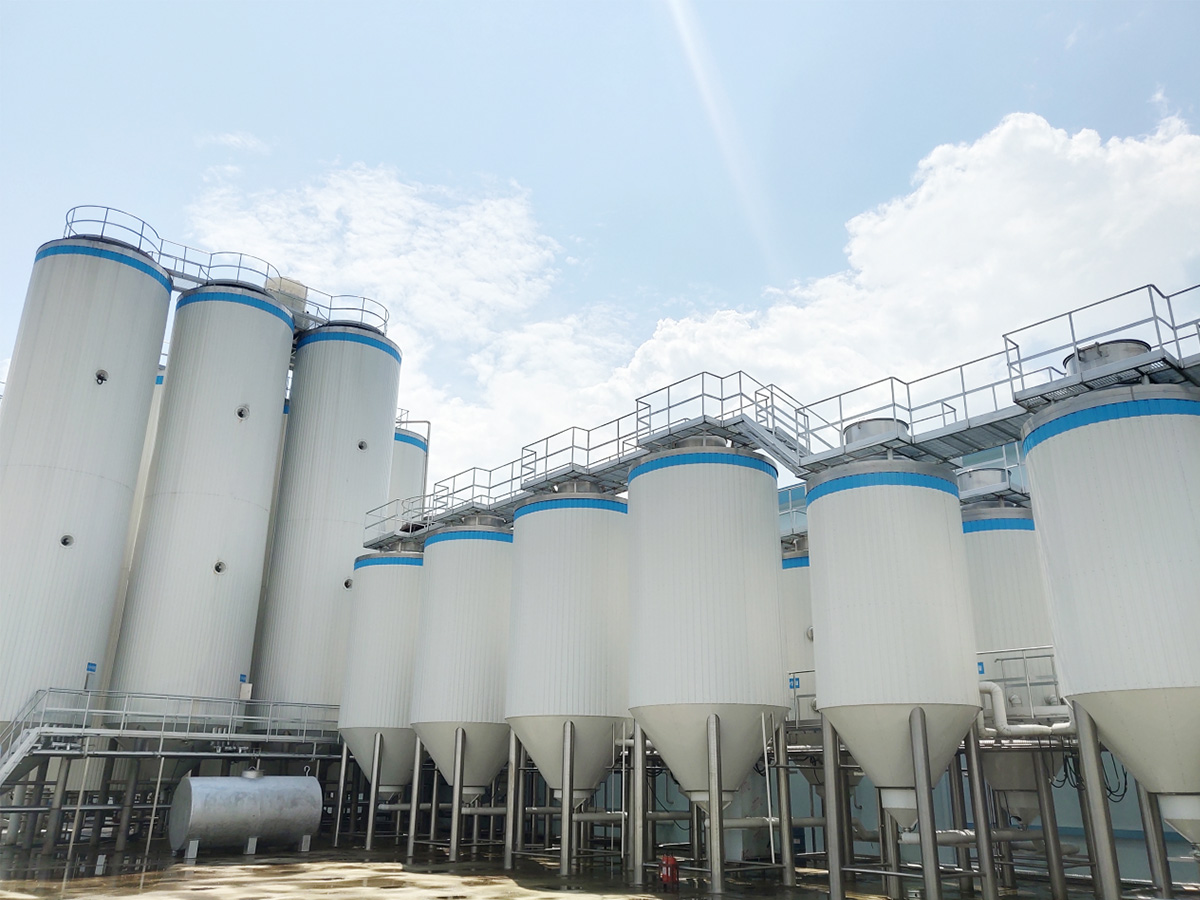
Many people do not think about the mixing vessel when they imagine a brewery. However, it plays an important role. The mixing vessel, sometimes called a blending tank, is used to combine different ingredients. It ensures that the final product is consistent.
In a medium or large brewery, the mixing vessel is often used for adding ingredients after fermentation. For example, if a brewery makes a fruit beer, this is where the fruit extract is carefully mixed with the base beer. It ensures every bottle or keg tastes the same.
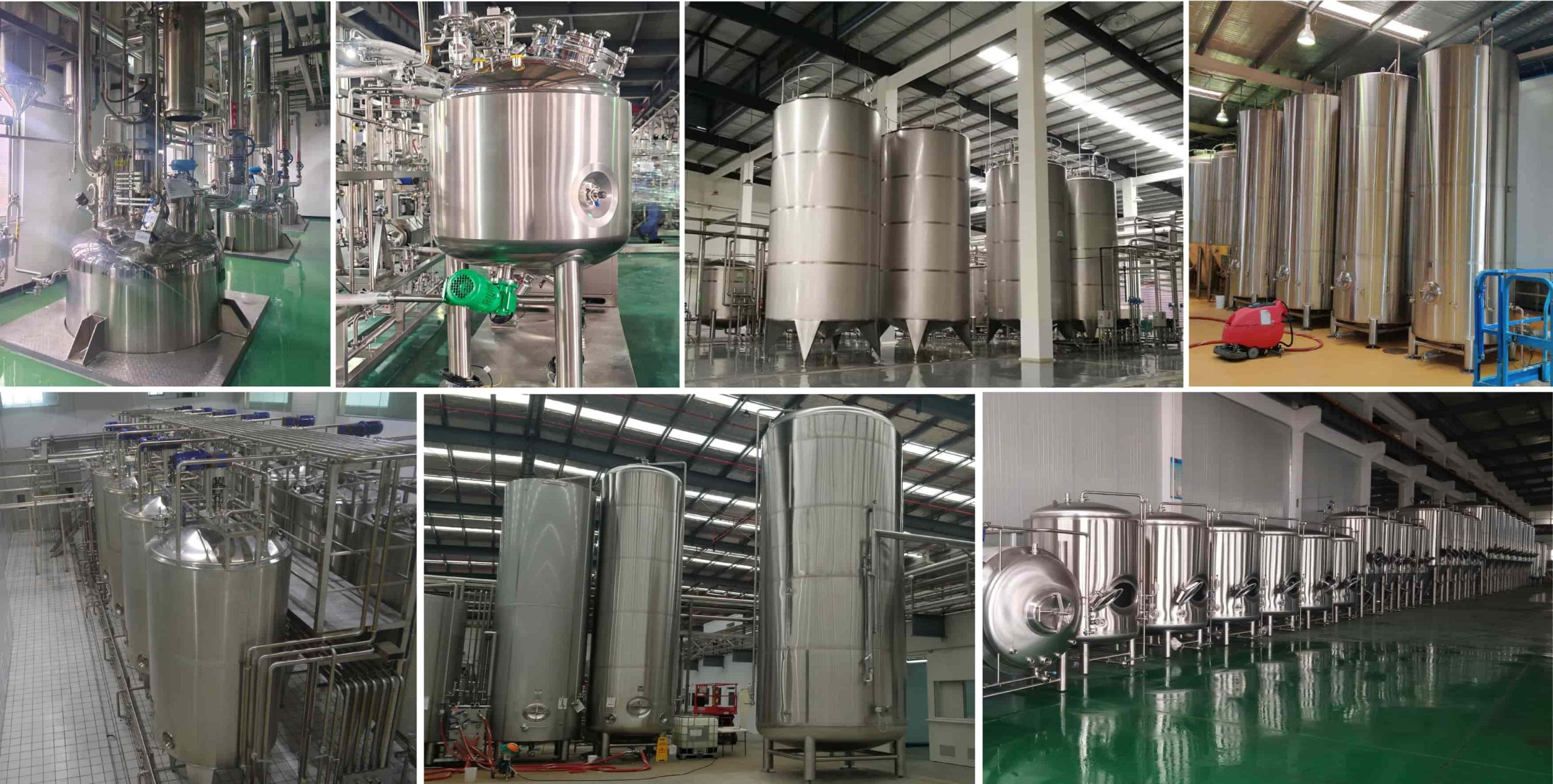
The design of a mixing vessel is important for its function. They usually have an agitator. This is a motorized device that gently stirs the contents. The agitator creates a uniform mixture without introducing too much oxygen, which can spoil the beer.
Stainless steel is the preferred material for these tanks as well. The internal surface is often polished to a very smooth finish. This mirror-like surface is called a sanitary finish. It prevents bacteria from sticking to the walls, making it easy to clean and sanitize between batches.
These vessels come in various shapes, but cylindrical tanks with conical bottoms are most common. The cone shape helps with drainage. When the tank is emptied, the liquid flows out completely, leaving no residue behind. This efficiency is vital for production.
Fermentation Tanks: Where the Magic Happens
The Fermentation Tank is arguably the most important vessel in the brewery. This is where yeast is added to the wort (unfermented beer). The yeast consumes the sugars and produces alcohol and carbon dioxide. This process is called fermentation.
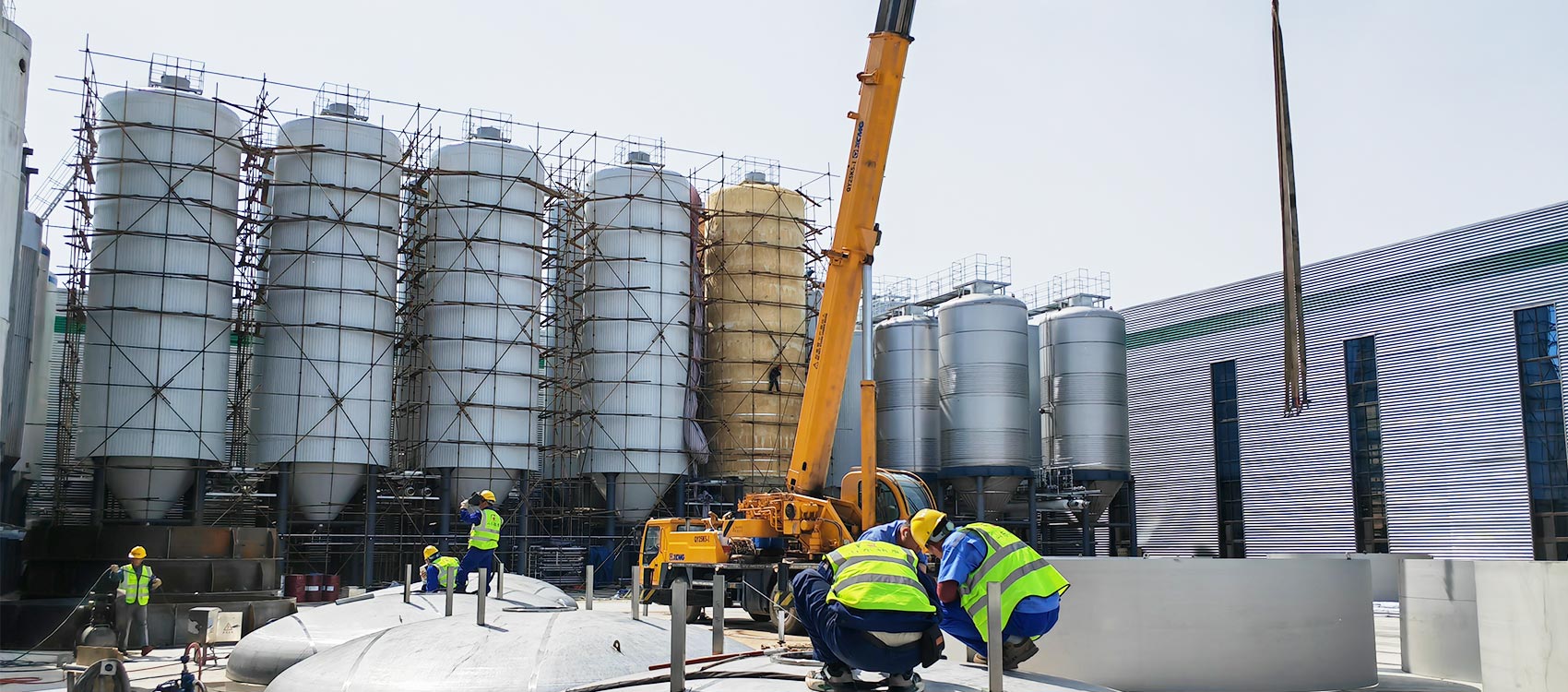
For medium and large breweries, cylindrical-conical tanks (CCTs) are the most popular choice . These tanks have a cylindrical body and a cone at the bottom. The cone shape is very useful because it collects the yeast and sediment that settle after fermentation. Brewers can easily harvest this yeast for the next batch.
One of the biggest advantages of modern Fermentation Tanks is their cooling system. Yeast activity creates heat. If the temperature gets too high, the beer will have off-flavors. These tanks use glycol cooling jackets to maintain precise temperatures. This allows brewers to make different styles, from crisp lagers to fruity ales.
Another key feature is the pressure rating. Many Fermentation Tanks are designed to hold pressure. This allows the beer to naturally carbonate during fermentation. The CO2 produced by the yeast stays dissolved in the beer. This creates a natural, fine carbonation that many brewers prefer.
Durability and safety are also crucial. These tanks hold thousands of liters of liquid. They must be built to strict standards. A company like SKE ensures that their tanks meet international safety standards like ASME or PED. This guarantees they can handle the pressures involved safely.
Finally, Fermentation Tanks are equipped with sampling valves. Brewers use these to take small samples of beer during fermentation. This lets them check the progress of the brew without opening the tank and risking contamination. It is a small feature that makes a big difference in quality control.
Commercial Brewing Equipment: The Big Picture
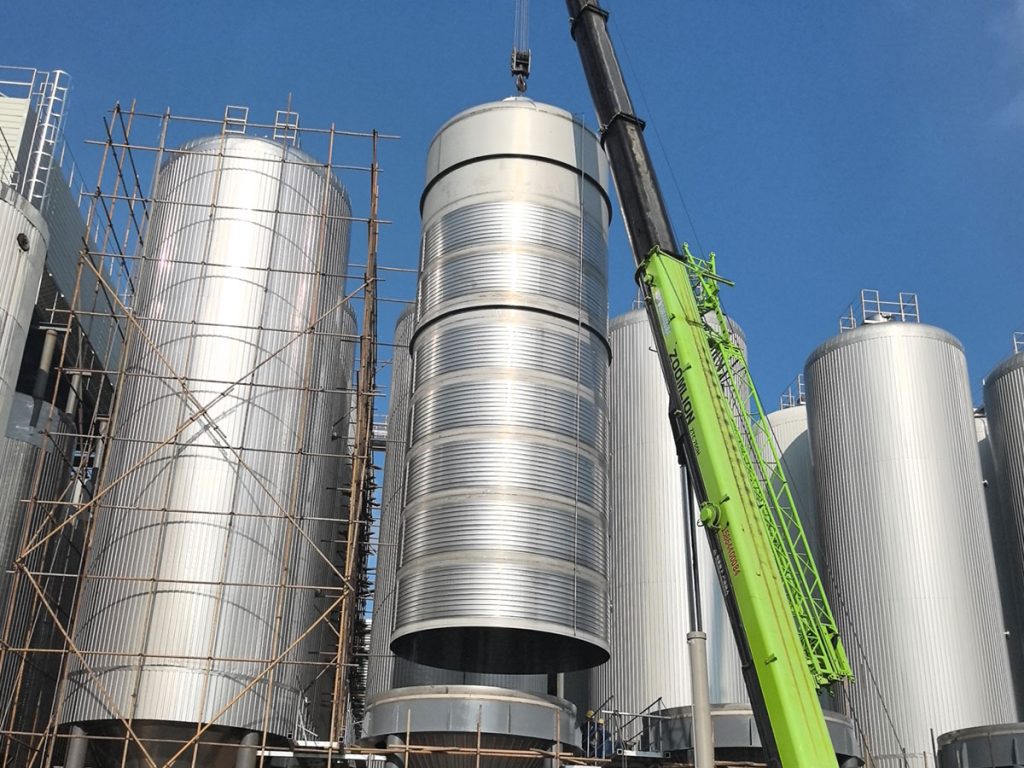
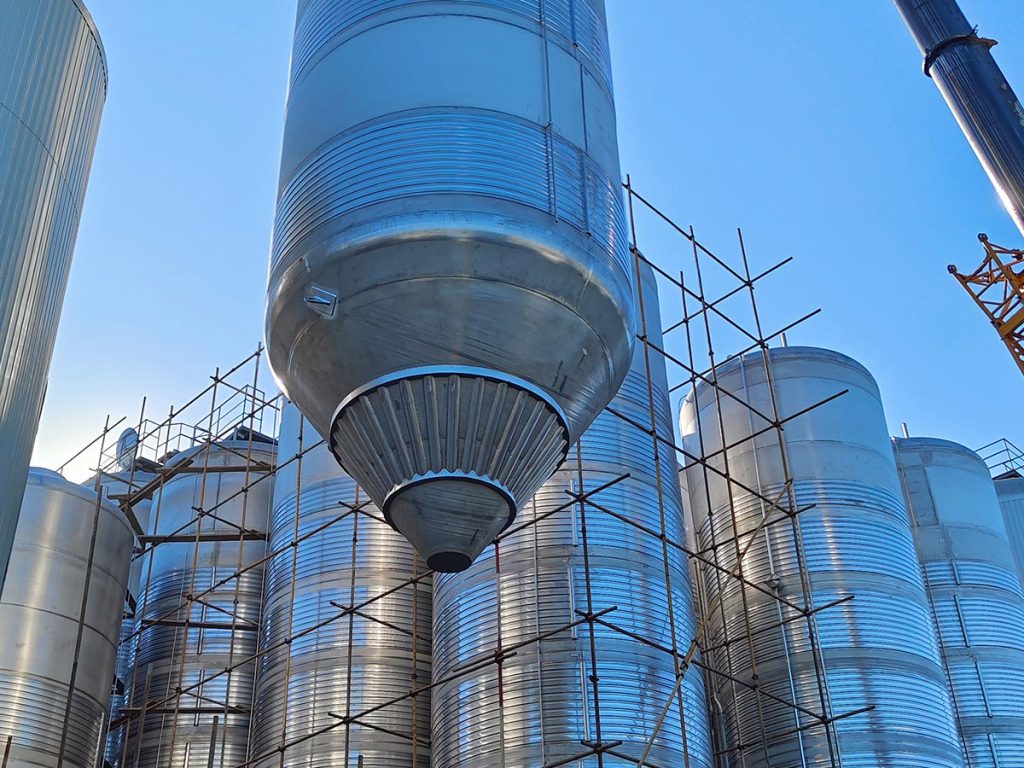
When we talk about commercial brewing equipment, we mean the entire system that runs the brewery. The tanks are a major part of this, but they don’t work alone. A modern brewery uses many pieces of equipment working together.
Think of a complete brewery as a series of connected stations. It starts in the brewhouse, where the wort is made. Then, the wort moves to the fermentation cellar. Here, the Fermentation Tanks and mixing vessels do their work. Finally, the finished beer goes to bright beer tanks for packaging.
The efficiency of a brewery depends on how well these stations connect. For example, the commercial brewing equipment includes pumps and pipes to move the beer. It also includes heat exchangers to cool the wort quickly before it goes into the Fermentation Tank. All of these parts must fit together seamlessly.
Automation is a huge part of modern commercial brewing equipment. In large breweries, many processes are controlled by a central computer system. This system monitors the temperature and pressure in every tank. It also controls the cleaning cycles. This automation helps maintain consistency across thousands of liters of beer.
How SKE Supports Breweries with Tanks
One key service they offer is customization. Many breweries have unique layouts or production targets. SKE can build custom tanks to fit these needs. Whether you need a specific size, shape, or feature set, they can design a beer tank that works for you. This flexibility is important for breweries that want to stand out.
SKE also provides turnkey solutions. This means they can help with the whole project, from initial design to installation. They offer a range of services, including engineering, automation, and on-site support. This simplifies the process for the brewery owner.
Their commitment to quality is backed by certifications. SKE builds its tanks to international standards, including ASME and PED. This ensures every tank is safe and durable. It gives brewers peace of mind that their investment is protected.
Comparing Tank Types: Which One Do You Need?
Understanding the differences between tank types helps in making the right choice. Each tank has a specific job in the brewing process. The table below summarizes their main uses and features.
| Tank Type | Primary Function | Key Features | Common Use |
|---|---|---|---|
| Mixing Vessel | Blending ingredients and liquids. | Agitator for mixing, polished interior. | Making fruit beers, blending batches. |
| Fermentation Tank (CCT) | Fermenting wort into beer. | Conical bottom, glycol cooling jackets, pressure rated. | Main fermentation process for all beers. |
| Bright Beer Tank | Carbonating and storing finished beer. | Pressure rated, carbonation stone, cooling jackets. | Final storage before kegging or bottling. |
| Hot Liquor Tank | Heating and storing water for brewing. | Steam or electric heating, insulation. | Providing hot water for mashing and cleaning. |
This table shows that every tank has a distinct purpose. A brewery needs all of them to operate smoothly. The mixing vessel and Fermentation Tank are central to creating the final product.
Key Features of SKE Tanks for Large Breweries
| Feature | Benefit for Large Breweries | Why It Matters |
|---|---|---|
| Custom Sizing | Fits specific production needs. | Maximizes space and production capacity. |
| ASME/PED Certified | Meets international safety standards. | Ensures safety and regulatory compliance. |
| High-Quality Insulation | Reduces energy loss. | Lowers operating costs and improves efficiency. |
| Advanced Automation | Simplifies process management. | Reduces labor costs and human error. |
| Rotary CIP Spray Balls | Provides thorough cleaning. | Prevents contamination and ensures quality. |
These features make SKE a reliable partner for breweries. They focus on building tanks that perform well and last a long time.
Frequently Asked Questions (FAQ)
1. What is the difference between a mixing vessel and a fermentation tank?
A mixing vessel is used to blend ingredients together, like fruit extract into beer. It does this using an agitator. A Fermentation Tank is where yeast is added to wort to create alcohol. Fermentation tanks do not have agitators and are designed to hold pressure and control temperature.
2. Why are stainless steel tanks the standard in commercial brewing?
Stainless steel is used because it is very durable, does not rust, and is easy to clean. Most importantly, it does not react with the beer. This means it does not change the beer’s flavor . It is the safest and most hygienic material for storing and fermenting beer.
3. Why do fermentation tanks have a cone shape?
The cone shape is called a conical bottom. It helps collect yeast and sediment at the bottom during fermentation. This makes it easy for brewers to remove the yeast after fermentation is complete. The yeast can be reused for another batch, saving money .
4. Can a mixing vessel be customized?
Yes, a mixing vessel can be fully customized. Brewers can choose the size, the type of agitator, and the fittings.
Conclusion: Invest in the Right Tanks for Success
In conclusion, beer tanks are the foundation of any successful brewery. The Fermentation Tank is essential for creating the beer’s alcohol and flavor. The mixing vessel ensures consistency when adding extra ingredients. Both are crucial pieces of commercial brewing equipment.
Choosing the right tanks is a strategic decision. It affects the quality of your beer, your operational costs, and your ability to grow. You need equipment that is durable, efficient, and designed for your specific needs.
If you have any further questions, feel free to reach out!
- Facebook: SKE Equipment Facebook
- Email: info@skeequipment.com
Fill out the contact form below for customized solutions. We fully support all your production equipment demands for breweries and beverage plants.