
Executive Summary
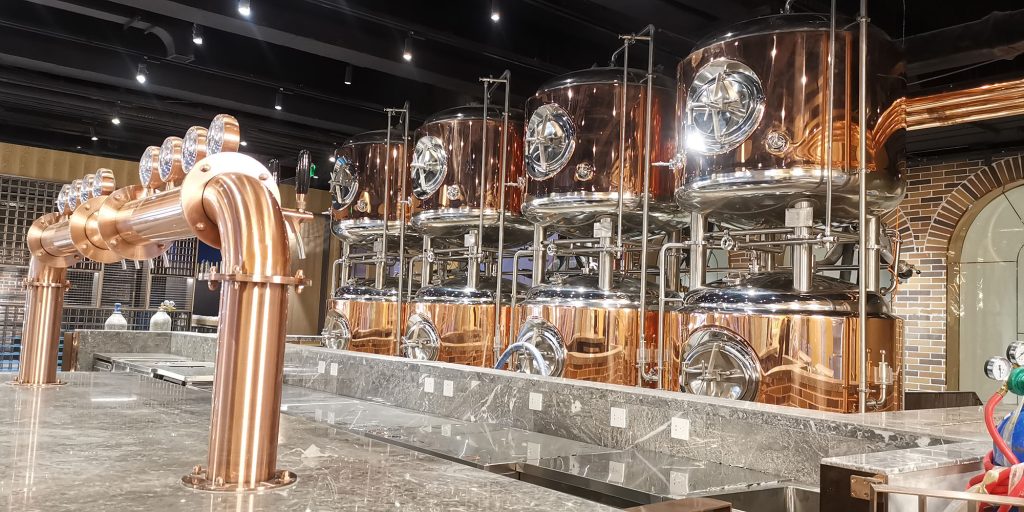
For major beer companies in the US, product consistency is not a preference — it is a business requirement. Consumers of fermented drinks expect the same taste, aroma, and mouthfeel every time they open a can or bottle. However, maintaining this uniformity across thousands of batches is a complex engineering challenge. It involves controlling raw material variability, managing alcoholic fermentation dynamics, and integrating modern process technologies.
This examines the key technical factors that affect brewing consistency. It discusses how advanced equipment — including sugar systems, fermentation tanks, and dealcoholization units — helps breweries achieve stable production. It also explores the role of automation and low-energy design in reducing operational costs. The paper provides a practical framework for brewers who want to improve quality while preparing for new market segments, such as non-alcoholic beers.
1. The Consistency Challenge in Modern Brewing
1.1 Why Consistency Matters for Large Breweries
For large breweries, brand loyalty depends on repeatable flavor. Major US beer companies invest millions in quality control to ensure that a beer brewed in California tastes identical to one brewed in Virginia. Any deviation — even a slight change in bitterness or sweetness — can lead to consumer complaints and lost sales.
The difficulty lies in the natural variability of raw materials. Barley, hops, and water all change with seasons, growing regions, and treatment methods. Brewers cannot control these inputs completely. Therefore, they must use process control to compensate for these variations.
1.2 The Role of Alcoholic Fermentation
Alcoholic fermentation is the most sensitive step in brewing. Yeast converts sugars into ethanol and CO₂, but it also produces hundreds of flavor compounds. These include esters, higher alcohols, and organic acids. Each compound affects the final taste.
Yeast performance depends on temperature, pressure, and nutrient availability. If the fermentation temperature rises by just 1°C, the yeast may produce excessive fruity esters. If it drops too low, fermentation slows down, leaving unwanted sweetness. For consistent results, brewers must keep these parameters within a narrow range for every batch.
2. Technical Solutions for Batch Stability
2.1 Precision in the Brewhouse
Consistency starts with the wort. Wort is the sugar-rich liquid extracted from malt. Its sugar composition and concentration determine how the yeast will behave later. Any variation in the mashing process — such as uneven heating or incorrect water-to-grain ratios — creates inconsistent wort.
Modern brewhouse equipment uses automated temperature control and precise mixing mechanisms. These systems ensure that each batch of wort has the same specific gravity and sugar profile. This is the first critical step toward stable fermentation.
2.2 Fermentation Tank Design and Control
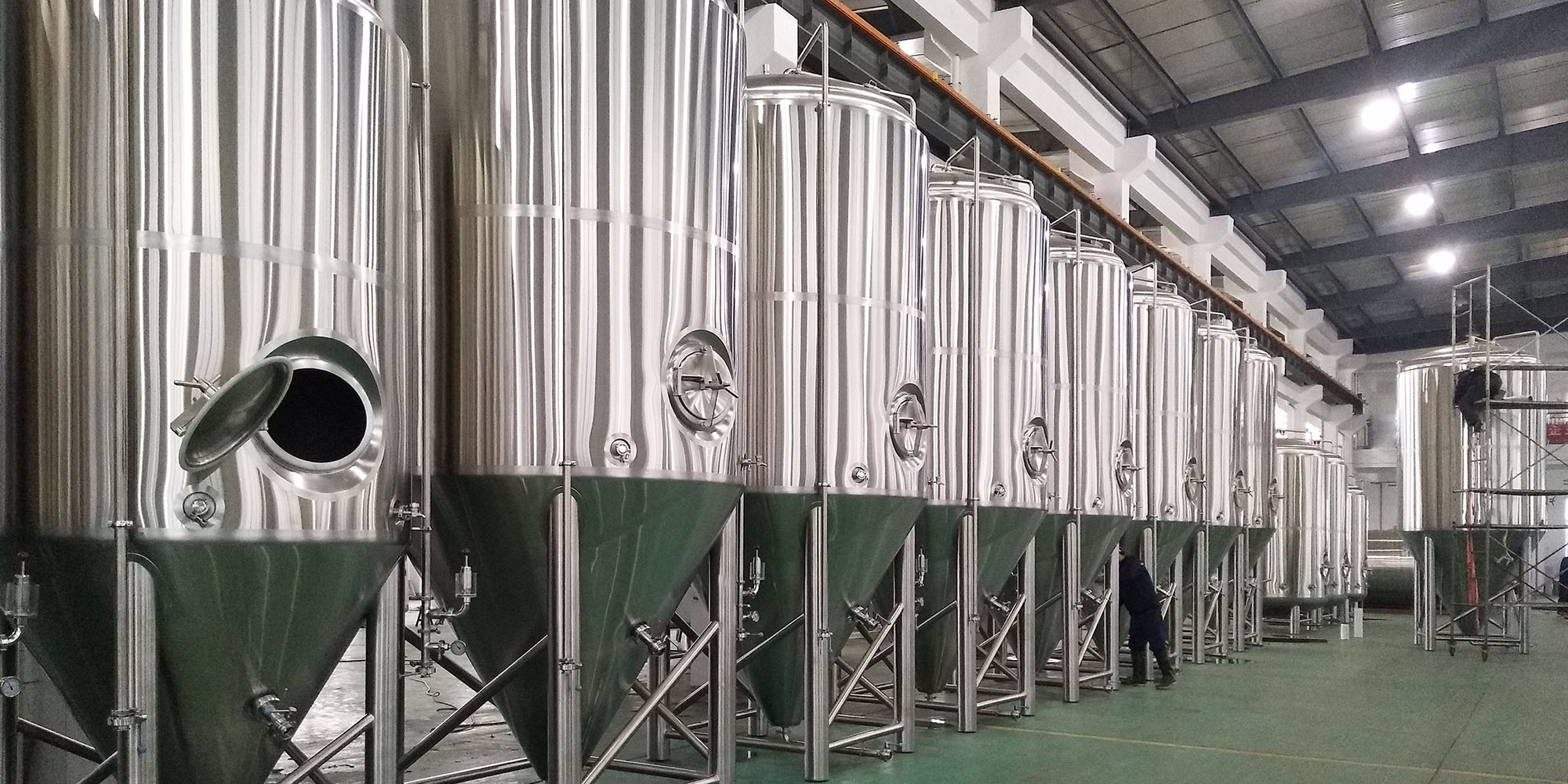
The fermentation vessel itself is a key factor. Cylindroconical tanks are the industry standard for medium and large breweries. Their shape allows for easy yeast collection and efficient heat exchange. They are equipped with glycol-cooled jackets that remove heat generated by yeast activity.
Precise temperature control in these tanks keeps yeast metabolism stable. This reduces the risk of off-flavors and ensures that the fermentation curve — the rate at which sugar is consumed — is repeatable. Without this control, batch-to-batch variation is almost unavoidable.
2.3 The Dealcoholization Process for New Products
The growing demand for low-alcohol and non-alcoholic beers has introduced new technical requirements. Traditional thermal dealcoholization methods often damage flavor by driving off volatile aroma compounds. This results in a cooked or sweet taste that consumers reject.
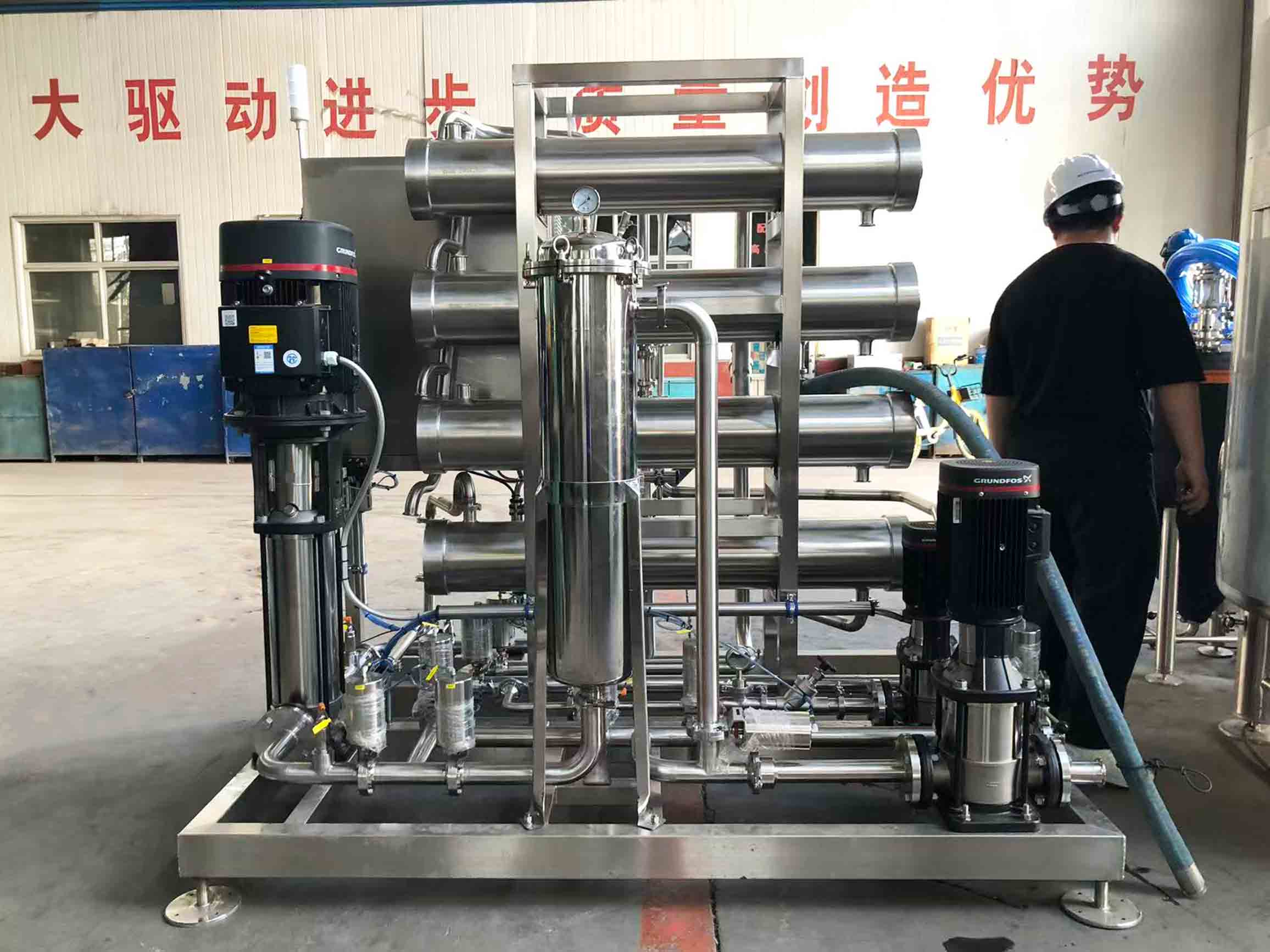
Advanced dealcoholization processes solve this problem. Membrane filtration, for example, uses selective barriers to separate ethanol from water and flavor molecules. Vacuum distillation operates at low temperatures, preserving delicate esters and hop oils. Some systems even recover aroma compounds before dealcoholization and reintroduce them afterward. This produces a non-alcoholic beer that retains the character of the original.
3. Automation and Low-Energy Operations
3.1 Full Automation for Reproducibility
Human error is a major source of inconsistency. Manual valve adjustments, temperature settings, and timing are all subject to variation. Full automation eliminates this risk by using programmable logic controllers (PLCs) to execute recipes exactly.
An automated system can store hundreds of recipes. When a brewer selects a recipe, the system controls every parameter — from mash-in temperature to fermentation cooling profiles — without operator intervention. This ensures that batch 500 follows the same steps as batch 5.
3.2 Energy Efficiency as a Design Priority
Energy consumption is a significant cost for large breweries. Heating, cooling, and compressed air systems account for most of the electricity and fuel use. Low-energy equipment reduces both operating expenses and environmental impact.
Modern brewing systems include heat recovery systems that capture waste heat from boiling and reuse it for pre-heating water. High-efficiency glycol chillers reduce electricity consumption. Automated controls also optimize energy use by running equipment only when needed.
4. How Integrated Equipment Supports Consistent Production
Achieving consistency requires that all parts of the brewery work together as a unified system. Each piece of equipment has a specific function, and its performance affects the next step. The table below summarizes the main equipment types and their contributions to batch stability.
| Equipment Type | Primary Function | Contribution to Consistency |
|---|---|---|
| Sugar Equipment | Converts malt starch into fermentable sugars. | Delivers uniform wort gravity and sugar composition. |
| Fermentation Tanks | Provides a controlled environment for yeast. | Maintains precise temperature and pressure profiles. |
| Control Systems | Monitors and adjusts all process parameters. | Stores and repeats exact recipes automatically. |
| Dealcoholization Units | Removes ethanol post-fermentation. | Preserves flavor while reducing alcohol content. |
| Clear Beer Tanks | Stores finished beer before packaging. | Maintains cold temperature and prevents oxidation. |
This integrated approach reduces variability at every stage. It also allows brewers to quickly switch between different beer styles without losing control.
5. Case in Point: Equipment That Enables Stability
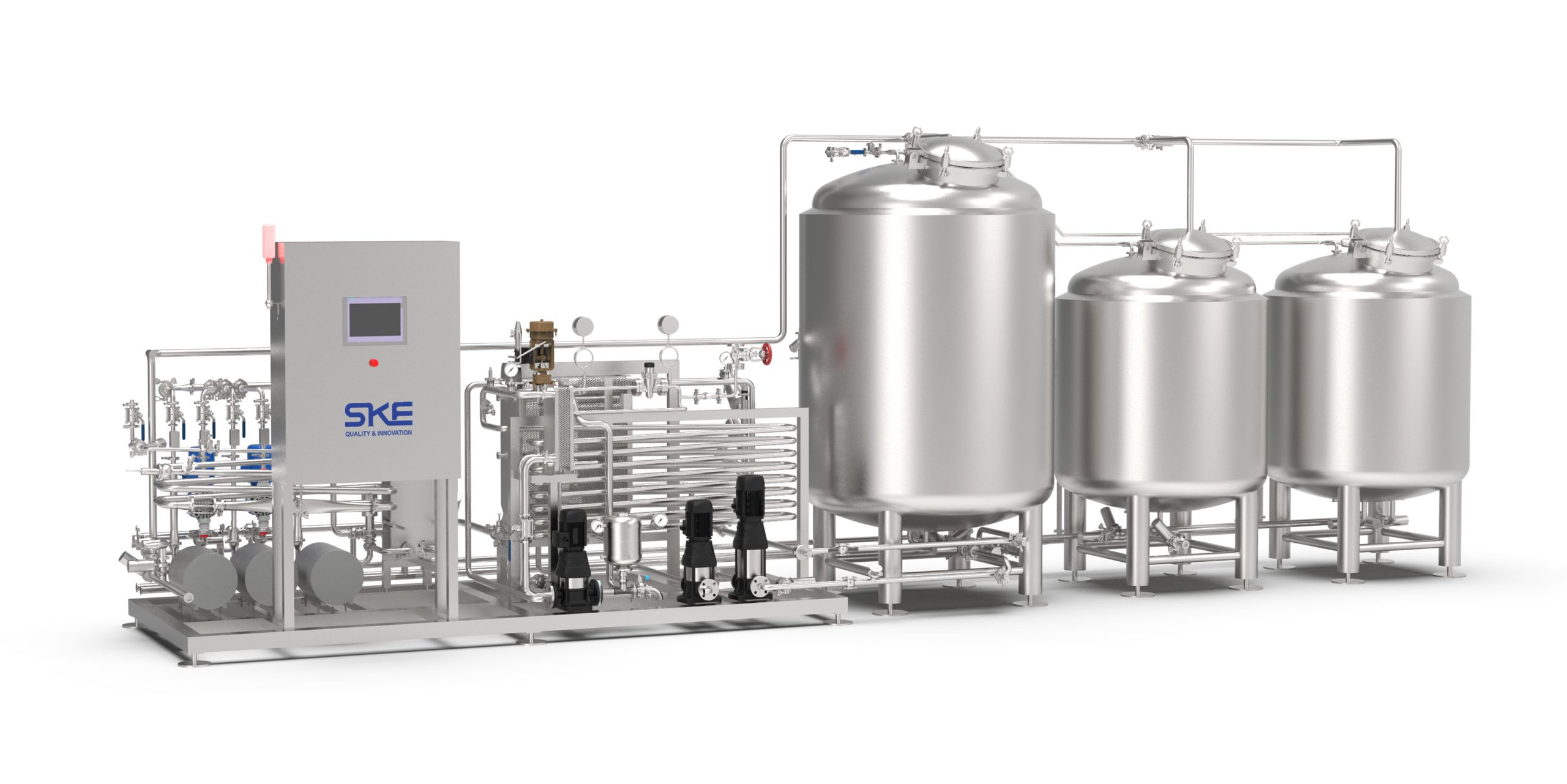
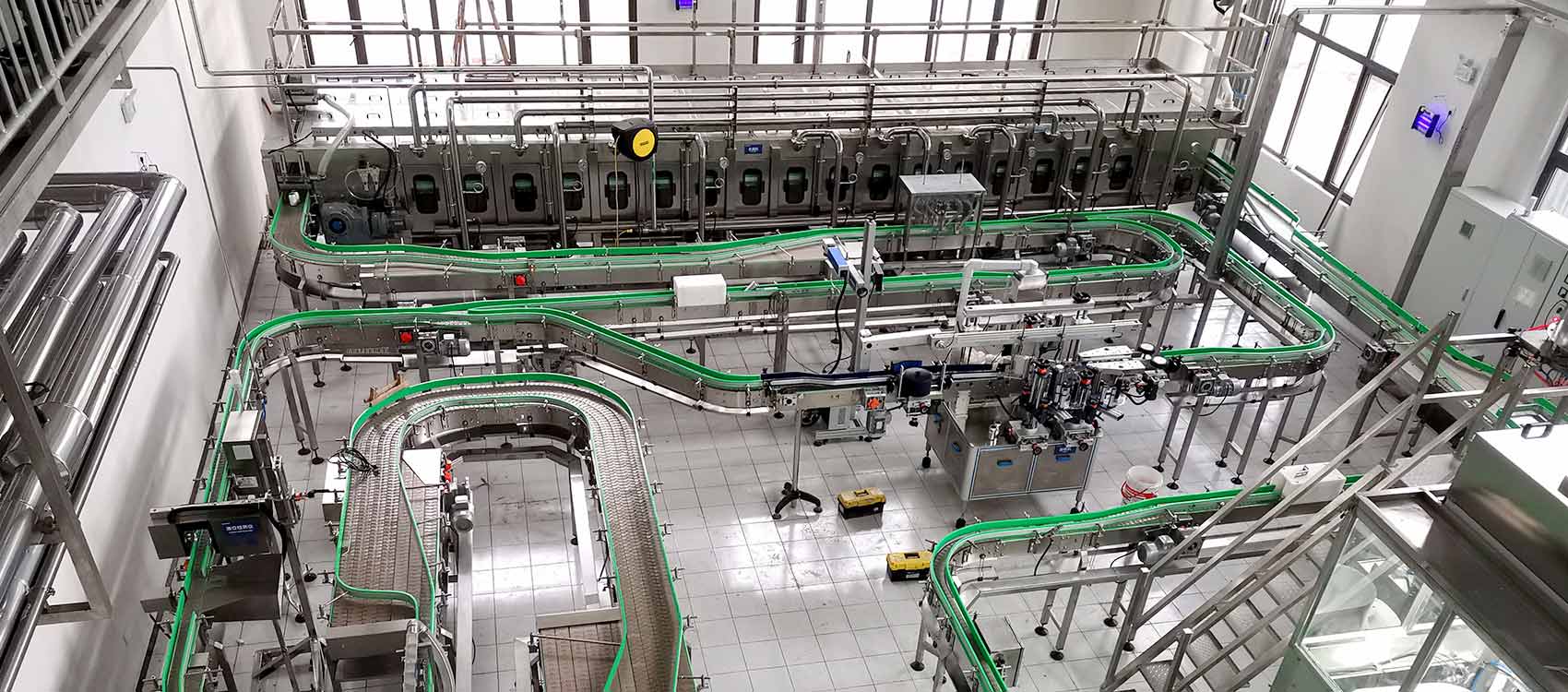
Equipment manufacturers play a critical role in this ecosystem. SKE, for example, designs and fabricates complete brewing lines that include sugar systems, fermentation vessels, and dealcoholization modules. Their equipment uses 316L stainless steel for durability and hygiene. They also provide PLC-based control panels that integrate with existing brewery management software.
By offering both hardware and automation, SKE helps breweries reduce the number of external suppliers. This simplifies maintenance, training, and troubleshooting. More importantly, it ensures that all equipment is designed to work together for consistent output.
For brewers, the choice of equipment partner directly impacts their ability to scale production while maintaining quality. Reliable, well-engineered systems reduce downtime and rework — two major causes of batch inconsistency.
6. Future Outlook: Consistency, Innovation, and Sustainability
The brewing industry is moving toward greater flexibility. Consumers want more choices, including seasonal flavors, hop-forward styles, and alcohol-free versions. At the same time, regulators and consumers demand lower environmental footprints.
These trends are not contradictory. With the right technology, breweries can innovate without losing consistency. Automated systems allow quick recipe changes while maintaining control. Dealcoholization opens new product lines without changing the core brewing process. Low-energy designs reduce costs and carbon emissions.
In the next five years, we expect more breweries to adopt full-line integration. This means connecting brewhouse, fermentation, filtration, and dealcoholization into a single digital platform. Such systems will provide real-time data analytics, predictive maintenance, and even AI-assisted recipe optimization.
Conclusion
Batch-to-batch consistency is the foundation of success for medium and large breweries. It requires control over raw materials, fermentation conditions, and process automation. Modern equipment — including sugar systems, fermentation tanks, and dealcoholization units — provides the tools necessary to achieve this control.
Automation reduces human error and ensures recipe repeatability. Low-energy technologies lower operating costs and support sustainability goals. Together, these solutions allow brewers to meet consumer expectations while exploring new market opportunities.
SKE and other equipment manufacturers offer the integrated systems that make this possible. By investing in proven, reliable technology, breweries can secure their reputation and their bottom line.
Frequently Asked Questions (FAQ)
Q1: What is the biggest cause of batch-to-batch variation in brewing?
A: The biggest cause is inconsistent fermentation conditions, especially temperature fluctuations. Yeast is very sensitive to its environment, and small changes can create different flavor profiles.
Q2: How does dealcoholization affect beer quality?
A: If done with traditional heating methods, it can damage flavor. However, modern membrane or vacuum-based processes remove alcohol gently and preserve most aroma compounds.
Q3: Can automation fully replace human brewers?
A: No. Automation handles routine control and monitoring, but human brewers are still needed for recipe development, sensory evaluation, and troubleshooting.
Q4: Is low-energy equipment more expensive?
A: It may have a higher initial cost, but the energy savings over time usually pay for the investment. Many breweries see a return within two to three years.
Q5: What does SKE offer for breweries?
A: SKE provides complete brewing systems, including sugar equipment, fermentation tanks, dealcoholization units, and automation control panels. Their equipment is designed for stability, hygiene, and energy efficiency.
Contact Us
If you have any further questions, feel free to reach out!
- Facebook: SKE Equipment Facebook
- Email: info@skeequipment.com
Fill out the contact form below for customized solutions. We fully support all your production equipment demands for breweries and beverage plants.