
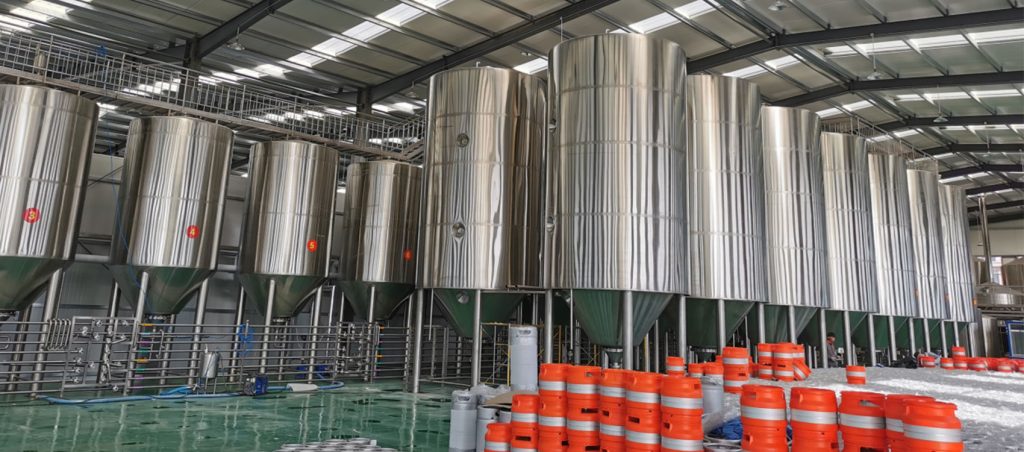
Craft beer fermentation is where a brewer’s recipe meets biology. Yeast turns sugars into alcohol and carbon dioxide, and it also produces compounds that define a beer’s aroma and flavor. For craft breweries, the challenge is not just finishing fermentation. It is making beer that tastes the same batch after batch, and keeping that quality through packaging and storage.
The right craft beer fermentation equipment helps brewers control temperature, manage yeast, reduce oxygen, and keep production stable. Fermentation tanks, glycol cooling systems, bright beer tanks, and packaging equipment all play a role in the final result.
At SKE, we know that brewery equipment must support the whole process, not just single steps. This guide explains how craft beer fermentation works, which equipment choices matter most, and how to build a reliable fermentation system.
What Happens During Craft Beer Fermentation?
Craft beer fermentation starts when yeast is added to cooled wort. Brewer’s yeast eats sugars, mainly maltose, and produces ethanol and carbon dioxide. At the same time, it creates flavor compounds that shape the beer’s final character.
For example, esters can give fruity and floral notes, while phenols may add spicy or clove-like aromas in some styles. Different yeast strains produce different flavors. A clean American ale strain lets hop aromas stand out, while some English strains create stronger fruity notes.
Temperature, yeast health, wort composition, and oxygen all affect yeast activity. If these conditions change too much between batches, the same recipe can give different results.
This is why a professional fermentation system must do more than hold beer. It must keep process conditions stable and repeatable.

Temperature Control: The Core of Fermentation Equipment
Fermentation produces heat as yeast turns sugar into alcohol and carbon dioxide. In larger tanks, this heat can raise the beer temperature if the cooling system cannot remove it.
Temperature changes affect yeast activity and flavor. Too much heat may create harsh higher alcohols and too many esters. Temperatures that are too low for a yeast strain may slow fermentation or leave too much sugar in the beer.A well-designed craft beer fermentation tank should therefore give effective cooling and stable temperature control.
Modern fermentation tanks use dimple cooling jackets on the sidewall and, depending on the design, the cone. Chilled glycol flows through these jackets to remove heat from the process.
Cooling performance depends on several factors, including tank volume, jacket area, glycol temperature and flow rate, and the heat produced during active fermentation.
The cooling rate should match the tank size, glycol capacity, and fermentation stage. During active fermentation, the system must remove heat without causing sharp temperature changes. During cold crashing, controlled cooling brings the beer to its target temperature and keeps the process stable.
Dry Hopping and Fermentation Tank Design
Dry hopping is common in IPAs and pale ales. Unlike kettle hopping, it means adding hops during or after fermentation without boiling. This helps keep volatile hop oils that give citrus, tropical fruit, floral, and herbal aromas. Yeast can also change some hop compounds during dry hopping, which may add extra fruity notes.
However, dry hopping creates equipment and process challenges.Hop particles can block valves and lines, absorb beer, and make cleaning harder. More importantly, opening a tank during craft beer fermentation can let in oxygen, which may damage hop aroma and speed up beer aging.
For this reason, breweries should look for these design features when choosing fermentation tanks:
Dedicated dry-hopping access: A top-mounted port or closed hop-dosing setup makes hop addition easier and helps reduce oxygen exposure.
Proper cone design: A conical bottom supports yeast collection and trub removal. A cone angle around 60 degrees is common, but the best design depends on tank geometry and process needs.
Sanitary valves and connections: Well-designed valves and connections reduce product loss and support effective cleaning.
Some breweries use unitanks, which combine fermentation, conditioning, and carbonation in one vessel. This saves floor space and reduces transfers.But unitanks are not always the best choice. Breweries with frequent dry hopping, longer conditioning, or high packaging demand may benefit from separate fermentation and bright beer tanks.The right choice depends on production volume, beer styles, available space, and the number of batches per month.

From Fermenter to Can: Controlling Oxygen Exposure
Craft beer fermentation creates the beer’s flavor, but that quality can be lost during transfer and packaging.
Oxygen is one of the main causes of beer flavor loss. After fermentation, oxygen can damage hop aroma and create stale or papery flavors. This matters most for hop-forward beers, which are sensitive to oxidation.
Several stages need careful oxygen control:
-
Closed beer transfer from fermenters to bright beer tanks
-
Proper CO₂ purging of tanks, pipes, and containers
-
Effective filling and sealing
-
Monitoring dissolved oxygen during packaging
For breweries using cans, counter-pressure filling equipment can help reduce oxygen pickup. Cans are purged with carbon dioxide before filling, and beer is added under controlled pressure.
The real dissolved oxygen level depends on the whole filling process, including purging, filling, foam control, and seaming quality. Breweries should check packaging performance with dissolved oxygen measurements, not just machine specifications.
For smaller breweries, mobile canning services can be a practical alternative to buying a full packaging line. But oxygen control and packaging quality should still be part of the brewery’s quality process.
A perfectly fermented beer can still lose its freshness if the packaging system is poorly designed or operated.
Storage and the Complete Craft Beer System
Beer quality keeps changing after packaging. Temperature, light, oxygen, and storage time all affect flavor stability.
UV light can react with hop compounds and create an unpleasant skunky aroma. Cans block light completely, while brown glass bottles protect better than clear or green bottles.
Temperature is equally important. Warm storage speeds up reactions that cause flavor loss. Hop-forward beers, in particular, can lose fresh aroma quickly at high temperatures.
The shelf life of craft beer depends on several factors:
-
Beer style and formulation
-
Dissolved oxygen at packaging
-
Packaging material and sealing quality
-
Storage and distribution temperature
Consistent refrigeration can slow flavor loss, but it cannot fix poor packaging or too much oxygen pickup.
Inside the brewery, bright beer tanks should keep suitable pressure and temperature. Glycol cooling, cold storage, and controlled distribution should work together to protect finished beer.
For breweries with longer distribution distances, these factors matter even more. Beer that leaves the brewery in excellent condition must stay stable during transport and retail storage.

Choosing the Right Fermentation Tank
Choosing craft beer fermentation equipment is more than calculating the volume of one tank. Breweries should consider the whole production schedule, including brewhouse output, fermentation time, conditioning, cleaning, and packaging.
Here are four important factors.
1. Production capacity
Total fermentation capacity should match brewhouse output and expected production frequency. A brewery producing several batches per week needs enough tank space for overlapping cycles.
2. Fermentation time
Different styles need different fermentation and conditioning periods. Lagers usually take up tank space longer than many ales. Breweries with a mixed portfolio should plan capacity around their longest cycles.
3. Cooling system performance
The glycol system must support cooling needs across multiple tanks at the same time. Too little cooling capacity can limit production and make temperature control hard during peak fermentation.
4. Future expansion
A brewery planning to grow should consider extra tank connections, cooling capacity, floor space, and packaging needs. A modular system makes future expansion easier without replacing the whole setup.
The table below summarizes the main equipment decisions.
| Equipment | Main Function | Key Selection Point |
|---|---|---|
| Fermentation tank | Craft beer fermentation and yeast management | Volume, pressure rating, cooling jackets, cone design |
| Glycol cooling system | Temperature control | Cooling capacity, flow rate, stable supply |
| Bright beer tank | Conditioning and carbonation | Pressure control, cooling, sanitary design |
| CIP system | Tank and pipeline cleaning | Spray coverage, flow, cleaning compatibility |
| Canning equipment | Beer packaging | CO₂ purging, filling accuracy, oxygen control |
Building a Reliable Craft Beer System with SKE
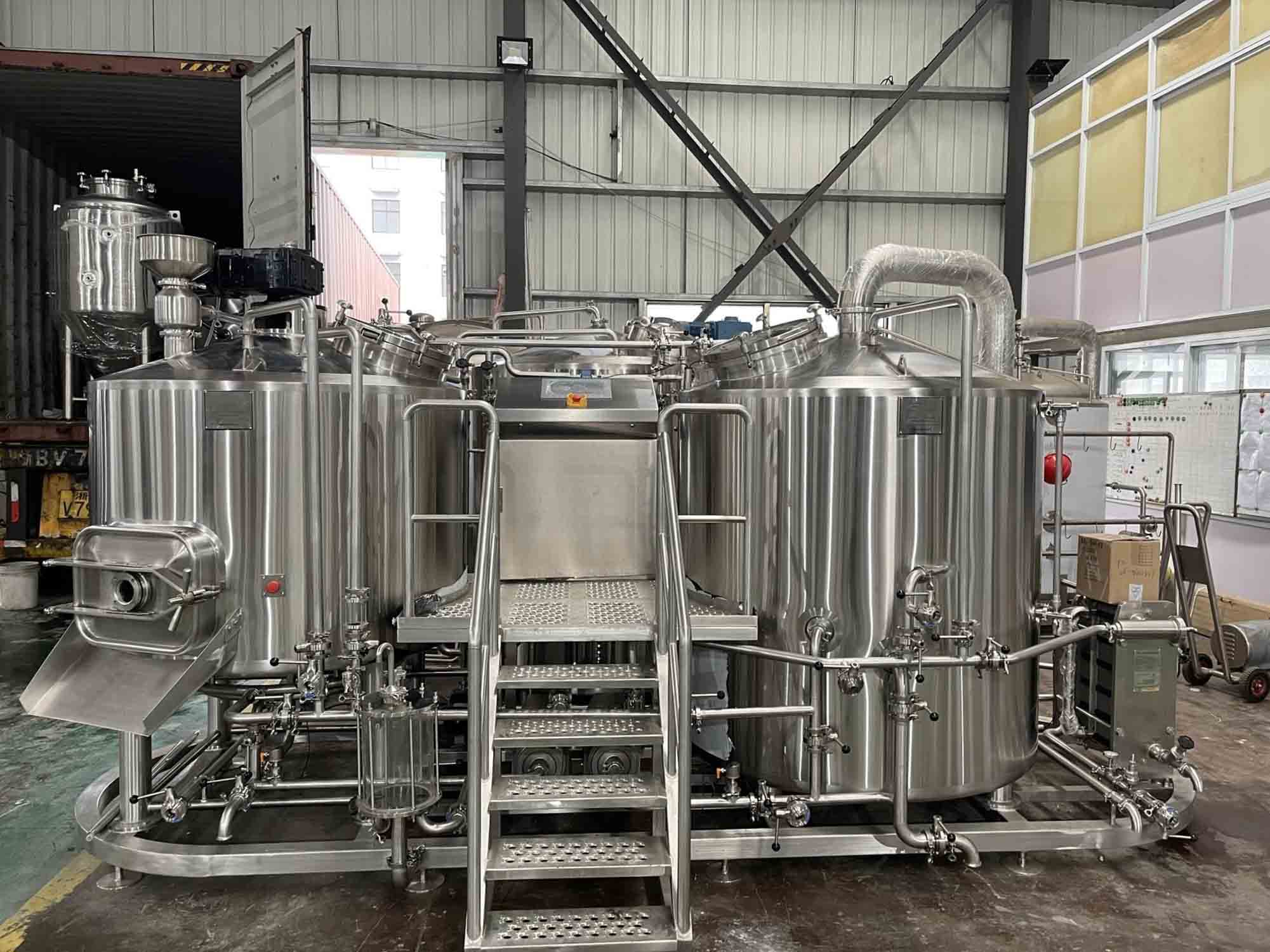
A successful craft brewery depends on several equipment systems working together. Fermentation tanks must match brewhouse capacity, glycol cooling must support the required temperature schedules, and packaging equipment must protect the finished beer.
SKE provides brewing equipment for breweries at different scales, from 500L pilot systems to 5,000L commercial setups. Our range includes fermentation tanks, brewhouse systems, bright beer tanks, and supporting process equipment.
For new brewery projects, planning should start with the intended beer styles, target production volume, and expected expansion needs. For existing breweries, upgrading craft beer fermentation capacity or improving cooling and cleaning systems can help solve production bottlenecks.
By treating equipment selection as one complete process, breweries can improve consistency, protect beer quality, and get more from their investment.
FAQ
Q1: How long does craft beer fermentation take?
A: Many ales finish primary fermentation in about 5–10 days, while lagers often need several weeks for fermentation and conditioning. Real timing depends on yeast strain, original gravity, temperature, and the brewer’s process.
Q2: What temperature is best for craft beer fermentation?
A: There is no single ideal temperature. Many ale strains ferment around 18–22°C, while lager strains need lower temperatures. Brewers should follow the yeast supplier’s advice and control temperature for the beer style.
Q3: How many fermentation tanks does a craft brewery need?
A: It depends on brewhouse output, fermentation time, conditioning needs, and packaging schedules. Breweries making lagers or many styles may need more tank capacity to keep production running.
Q4: Should I choose a unitank or a separate fermenter and bright beer tank?
A: Unitanks save space and reduce transfers. Separate fermenters and bright beer tanks offer more scheduling flexibility and can support higher packaging demand. The best option depends on production volume and brewery layout.
Q5: Can the same fermentation tank make ales and lagers?
A: Yes. A suitable tank can handle both if its cooling system reaches the needed temperatures and its pressure rating meets process conditions. Brewers must also adjust yeast, schedules, and cleaning.
Contact Us
If you have any further questions, feel free to reach out!
- Facebook: SKE Equipment Facebook
- Email: info@skeequipment.com
Fill out the contact form below for customized solutions. We fully support all your production equipment demands for breweries and beverage plants.