
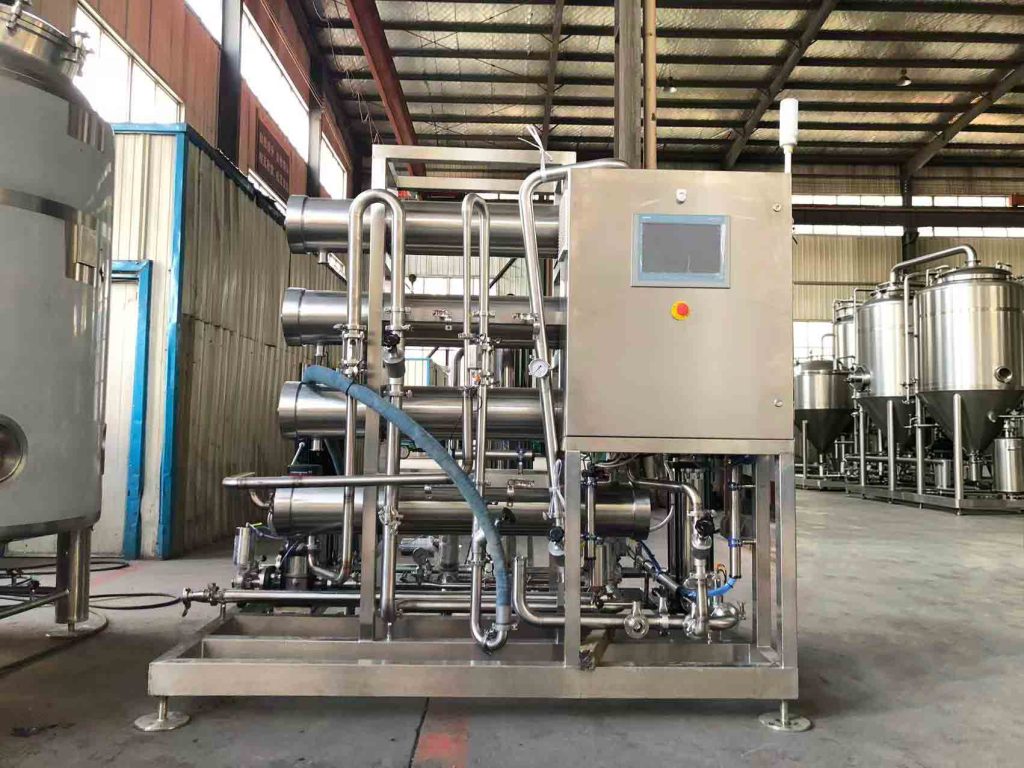
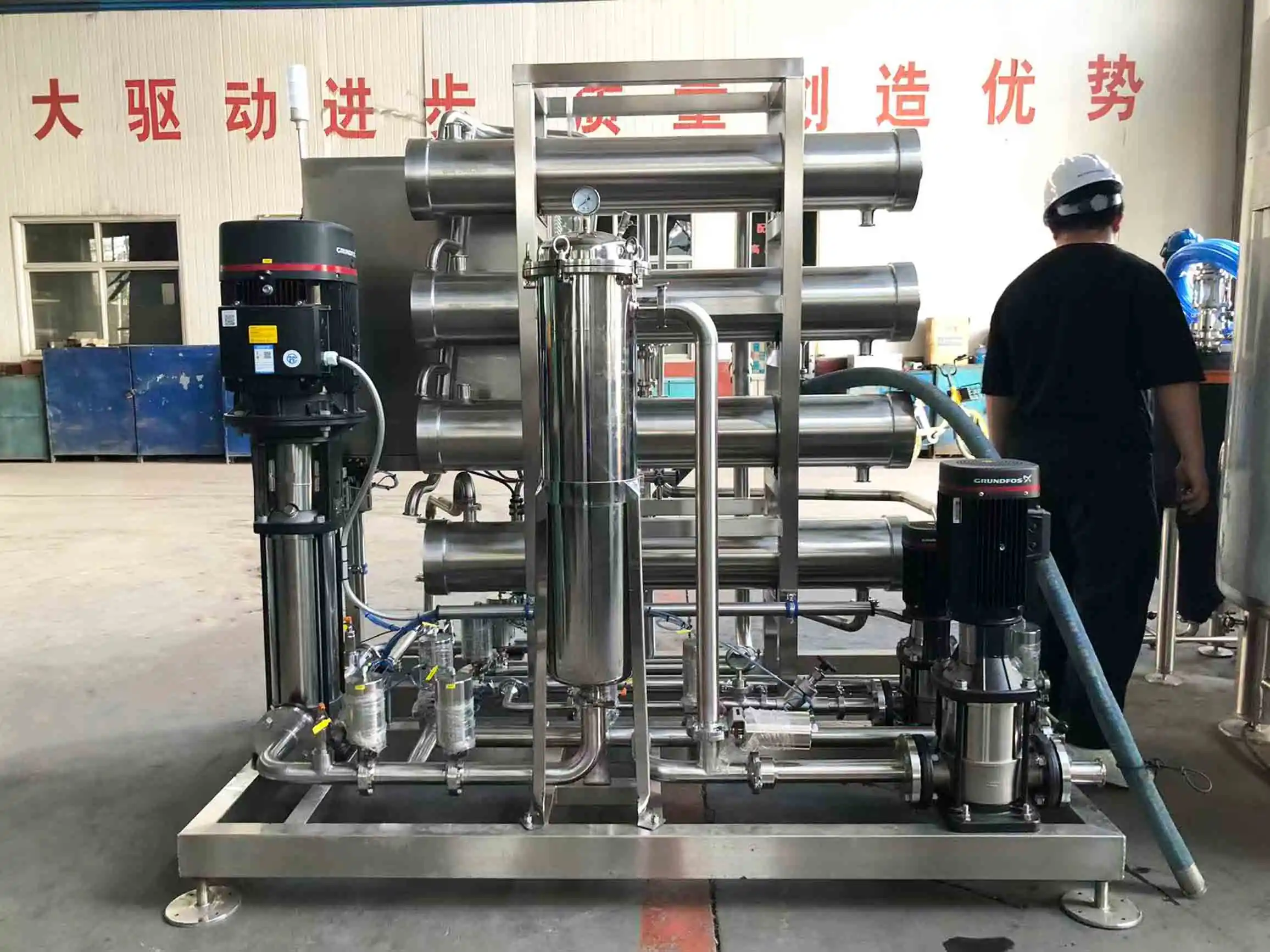
Dealcoholized beer is produced by removing alcohol from a fermented beer. It differs from methods that limit alcohol formation during fermentation. Selecting equipment requires a target alcohol level, a sensory brief and a plan for stabilising and packaging the finished beverage.
Key takeaways
- Evaluate the finished beer, not only the alcohol-removal rate.
- Compare thermal and membrane processes using the same base beer and test conditions.
- Include water, carbonation, hygiene and packaging in the project scope.
Choose the production route before sizing equipment

A limited-fermentation route and physical alcohol removal start from different production assumptions. The first changes how the beer is fermented. The second processes a fermented feed. Neither route guarantees the desired flavour without product development and testing.
Write a product brief covering residual alcohol, body, aroma, carbonation, packaging and storage conditions. Use that brief to design trials before treating equipment capacity as the main decision.
Compare physical separation methods
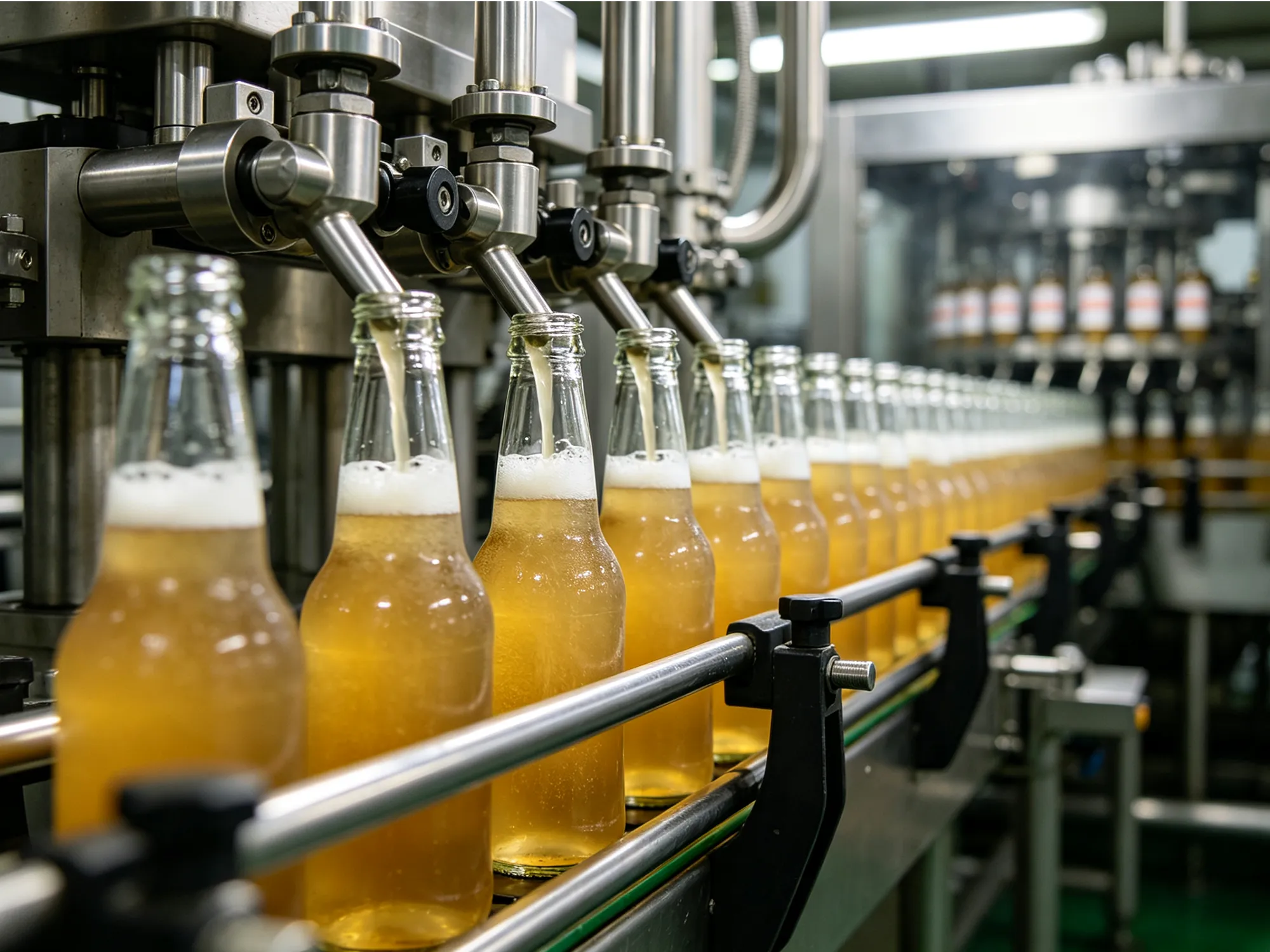
GEA’s discussion of alcohol-free beer production describes both membrane and thermal approaches. Thermal systems can use reduced pressure to carry out separation at lower temperatures than an atmospheric process. Membrane systems separate components through a membrane-based process, with their own water and operating requirements.
| Evaluation point | Questions for the trial and quotation |
|---|---|
| Residual alcohol | How is it measured, and across what operating range? |
| Aroma and body | What changes in blind sensory comparison with the agreed reference? |
| Product losses | What beer, extract and alcohol streams leave the process? |
| Utilities | What water, heating, cooling and power are needed at the stated duty? |
| Changeover | How much time and product are needed for startup, shutdown and cleaning? |
Do not apply one manufacturer’s membrane temperature or recovery figure to every system. Compare the proposed dealcoholization equipment using documented conditions.
In a thermal process, alcohol removal involves a vapour stream that must be condensed or otherwise managed. The design must account for heat exposure and aroma compounds that can accompany that stream. A 2021 experimental study of thermal beer dealcoholisation measured ethanol and aroma transfer into separate output streams, illustrating why the aroma recovery arrangement matters. Ask whether aroma recovery is included and test the finished beer rather than assuming recovery preserves every flavour component.
In a reverse-osmosis process, pressure drives water and ethanol through selected membranes while other beer constituents are retained to different degrees. GEA’s AromaPlus description describes a commercial implementation. Membrane selection, water use, fouling and cleaning belong in the evaluation; a lower processing temperature alone does not establish sensory superiority.
Include finishing operations in the trial
Removing ethanol changes the beverage, so the project should evaluate any required blending, aroma handling, water addition and carbonation. Sample the product after these steps as well as at the separation outlet.
An acceptable result immediately after processing does not establish the packaged product’s stability. Include the intended package, storage conditions and testing period in the development plan. Review carbonation and blending requirements with the alcohol-removal process rather than purchasing them as disconnected systems.
Establish a product-specific stability process
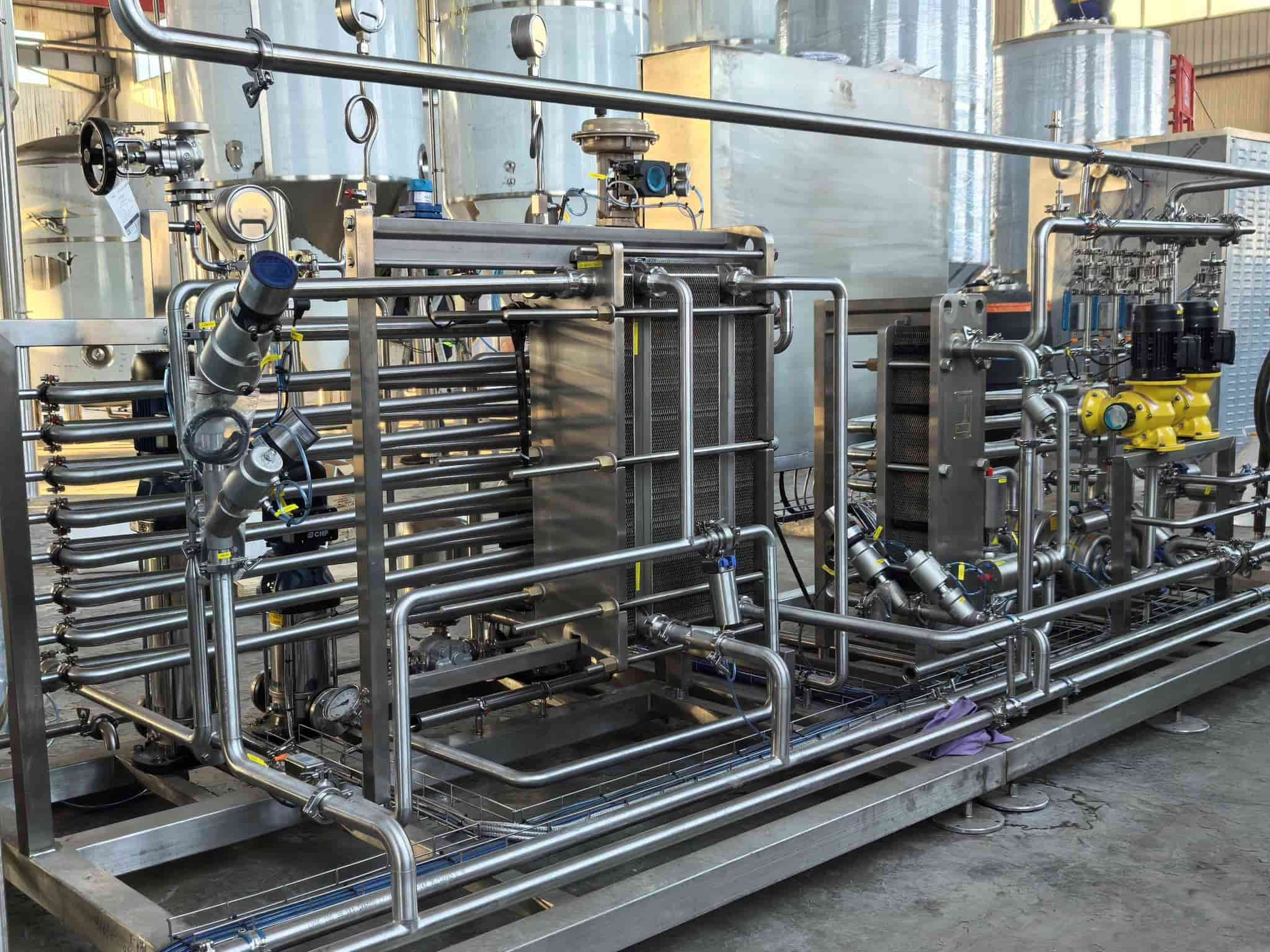
Reduced-alcohol products need their own microbial risk assessment and validated controls. Do not transfer a conventional beer’s pasteurization target or shelf-life claim to a new formulation without supporting work.
If thermal treatment is selected, coordinate the pasteurization system with the filler and downstream product path. The equipment specification should state how deviations are detected and what happens to affected product.
Define acceptance criteria before comparing prices
Ask suppliers to state the feed conditions, expected product characteristics, test methods, throughput range and utility assumptions. Record how samples will be handled and who will assess sensory and analytical results. Trials should use beer representative of the planned production range.
For market launch, verify the current naming and labelling requirements in the sales jurisdiction. An equipment supplier’s residual-alcohol capability does not establish which label claim the finished product can carry.
Build the commercial case from saleable output
Compare processing cost per unit of acceptable packaged beer, including startup losses, finishing ingredients, water, utilities, cleaning and quality testing. Avoid relying on a headline market-growth statistic or nameplate capacity. The useful business question is whether the system can repeatedly produce the product you can sell under the intended conditions.
About this article: Prepared for the SKE Equipment blog with AI-assisted research and editing. Original byline: Mandy, equipment marketing specialist. The linked references support the technical background; this article does not report an SKE equipment trial or a project-specific engineering review.