Introduction
Fermentation beer brewing is one of the most important steps in modern beer production. After wort is produced, yeast converts sugar into alcohol, carbon dioxide, and flavor compounds. The quality of fermentation directly affects the taste, aroma, and stability of beer.
For medium and large breweries, fermentation is not only about making beer. It is about producing millions of liters of beer with the same quality every day. The biggest beer brands in the world need stable production systems because customers expect the same flavor in every bottle and can.
Traditional batch fermentation is widely used in breweries. However, as production demand increases, many breweries are looking for better solutions. Continuous fermentation systems, advanced fermentation tanks, and improved yeast management can help breweries increase efficiency and reduce waste.
SKE provides professional brewing equipment solutions for commercial breweries. From mash systems to fermentation tanks and yeast recovery equipment, SKE helps breweries build reliable production processes.
What Is Fermentation Beer Brewing?
Fermentation beer brewing is the process where yeast changes fermentable sugars in wort into alcohol and other important beer components.
The main fermentation process includes:
- Wort preparation
- Yeast adding
- Sugar conversion
- Alcohol production
- Beer maturation
During fermentation, temperature control, yeast health, and tank design all affect the final beer quality.
For small breweries, fermentation may focus on flexibility and different beer styles. However, medium and large breweries need higher efficiency and stronger process control.
A stable fermentation system helps breweries:
- Produce consistent beer
- Reduce production problems
- Improve equipment usage
- Lower operating costs
Continuous Fermentation for Modern Breweries
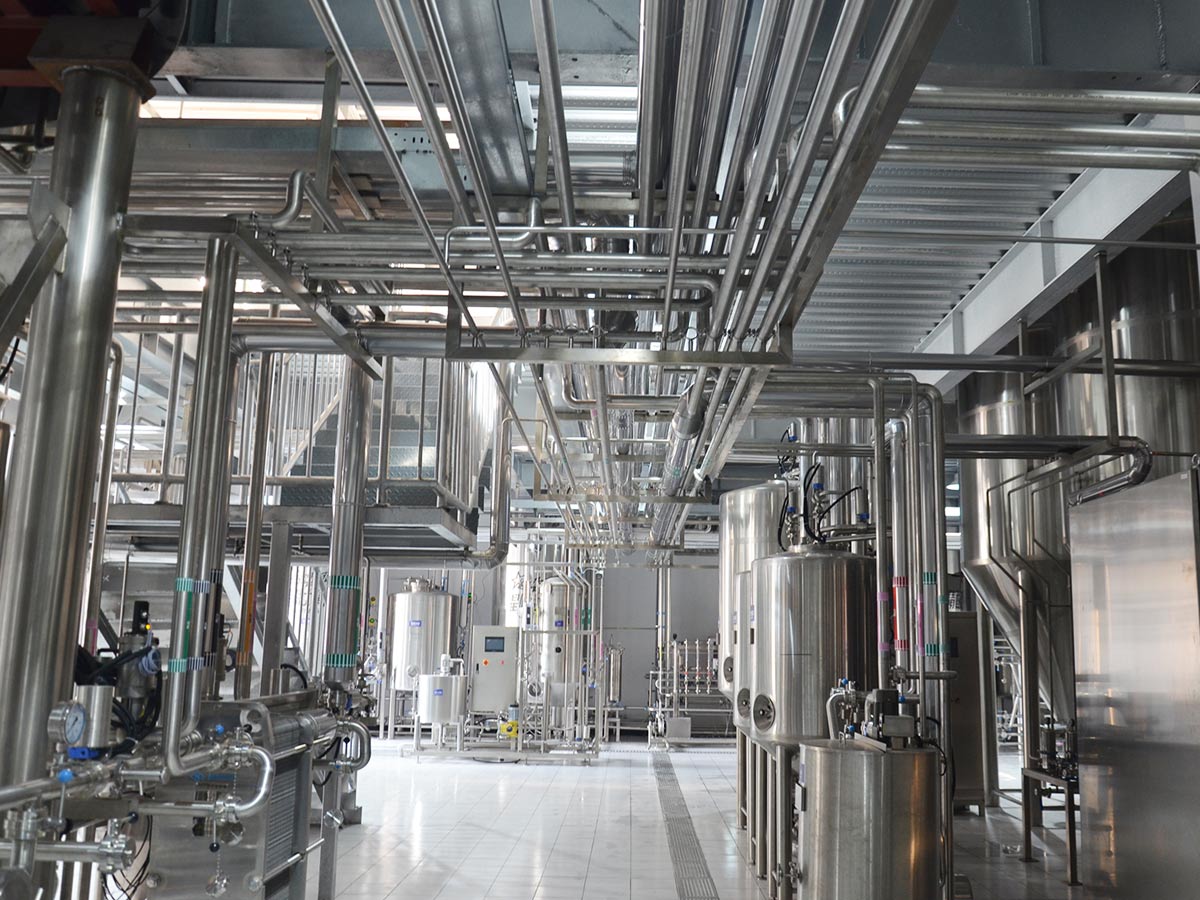
As beer production grows, many large breweries use continuous fermentation technology.
Traditional batch fermentation requires a tank to be filled, fermented, emptied, and cleaned before the next cycle begins. This creates production downtime.
Continuous fermentation works differently. Wort enters the fermentation system continuously, while fermented beer moves to the next production stage.
This method helps breweries improve:
- Production efficiency
- Tank utilization
- Process stability
- Resource management
For large-scale breweries, continuous fermentation is especially useful for standard beer products with high production volumes.
Why the Biggest Beer Brands Need Better Fermentation Systems
The biggest beer brands produce beer for global markets. Their biggest challenge is not only making more beer but making the same beer quality everywhere.
A small change in fermentation conditions can influence:
- Beer flavor
- Alcohol level
- Aroma
- Product stability
Large breweries need advanced equipment to control these factors.
Modern fermentation systems provide better control through:
- Accurate temperature management
- Stable yeast conditions
- Automated monitoring
- Efficient cleaning systems
With the right equipment, breweries can maintain consistent quality while increasing production capacity.
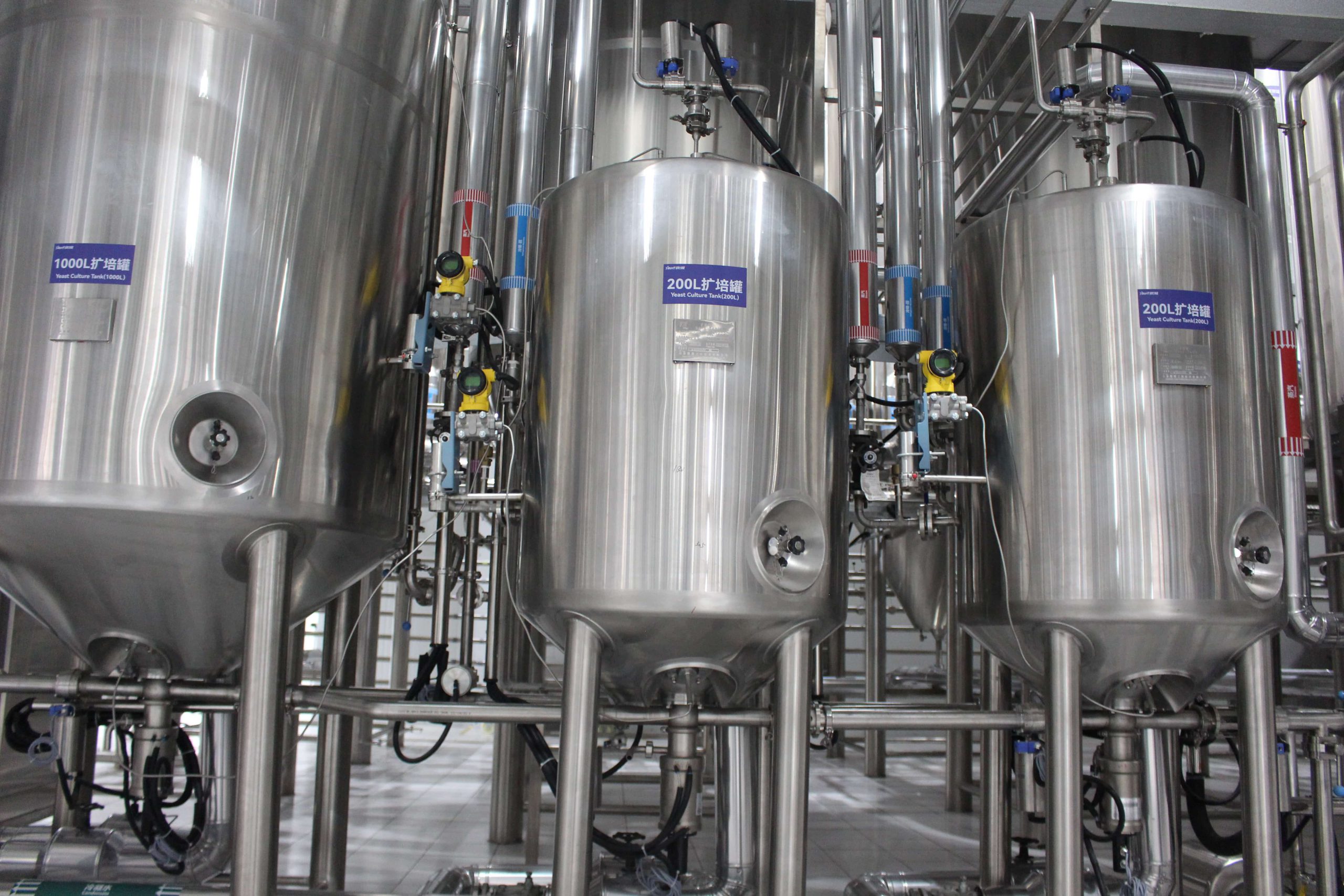
The Role of Yeast in Beer Brewing
Yeast Beer Brewing Process
Yeast is the key element in fermentation.
The yeast beer brewing process depends on healthy yeast activity. During fermentation, yeast consumes sugar and produces alcohol and flavor compounds.
Good yeast management helps breweries control:
- Fermentation speed
- Beer taste
- Alcohol production
- Product consistency
In large breweries, yeast cannot be treated as a simple ingredient. It must be carefully managed throughout the production process.
Important yeast management equipment includes:
- Yeast storage tanks
- Yeast propagation systems
- Yeast recovery equipment
These systems help maintain yeast quality and reduce production losses.
Yeast Recovery Equipment Improves Brewery Efficiency
During fermentation, yeast settles at the bottom of tanks. Some beer may remain with the yeast if it is not recovered properly.
Modern yeast recovery equipment helps separate useful yeast from beer.
The benefits include:
| Benefit | Result |
|---|---|
| Recover healthy yeast | Reduce yeast purchase costs |
| Reduce beer loss | Improve production efficiency |
| Better yeast control | More stable fermentation |
| Less waste | Lower production costs |
For medium and large breweries, yeast recovery can create significant savings because production volumes are very high.
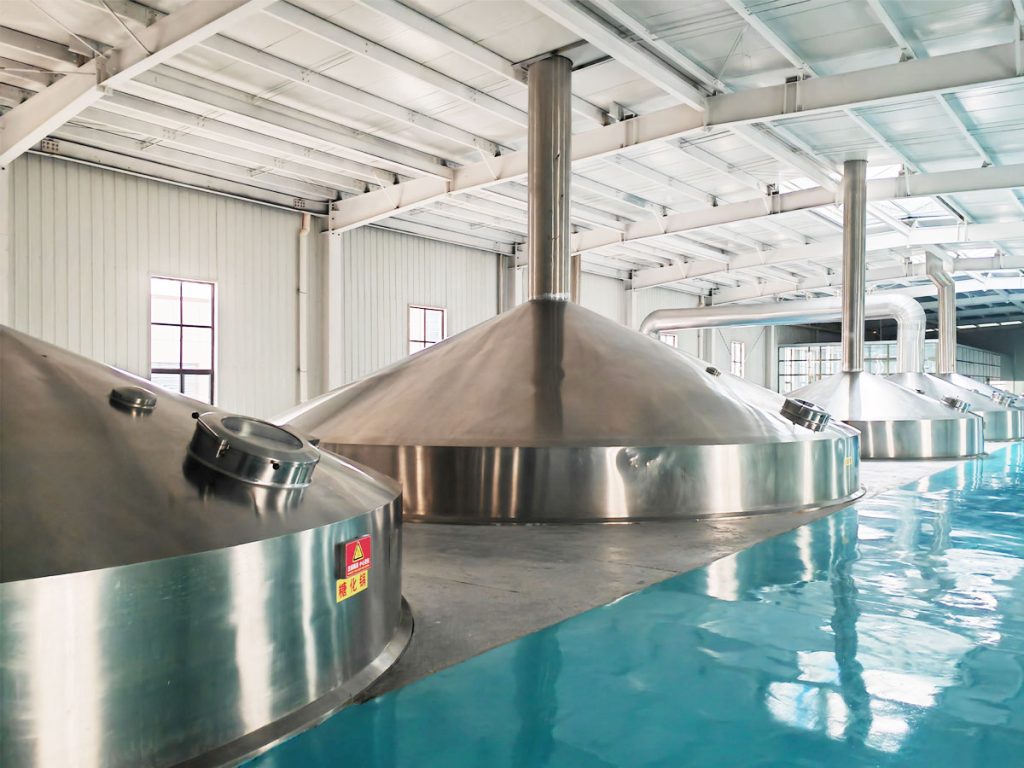
The Importance of Mash Tun Stainless Design
Fermentation quality starts before fermentation begins.
The brewhouse must produce stable wort with the correct sugar content. The mash tun plays an important role in this process.
A mash tun stainless design provides several advantages for industrial breweries.
| Feature | Advantage |
|---|---|
| Stainless steel construction | Strong and corrosion resistant |
| Good heat control | Stable mashing process |
| Easy cleaning | Better hygiene |
| Long service life | Lower maintenance cost |
A stainless steel mash tun helps breweries achieve consistent wort quality, which creates a better foundation for fermentation.
SKE designs mash systems for commercial breweries with reliable temperature control and efficient operation.
Fermentation Tanks for Large Breweries
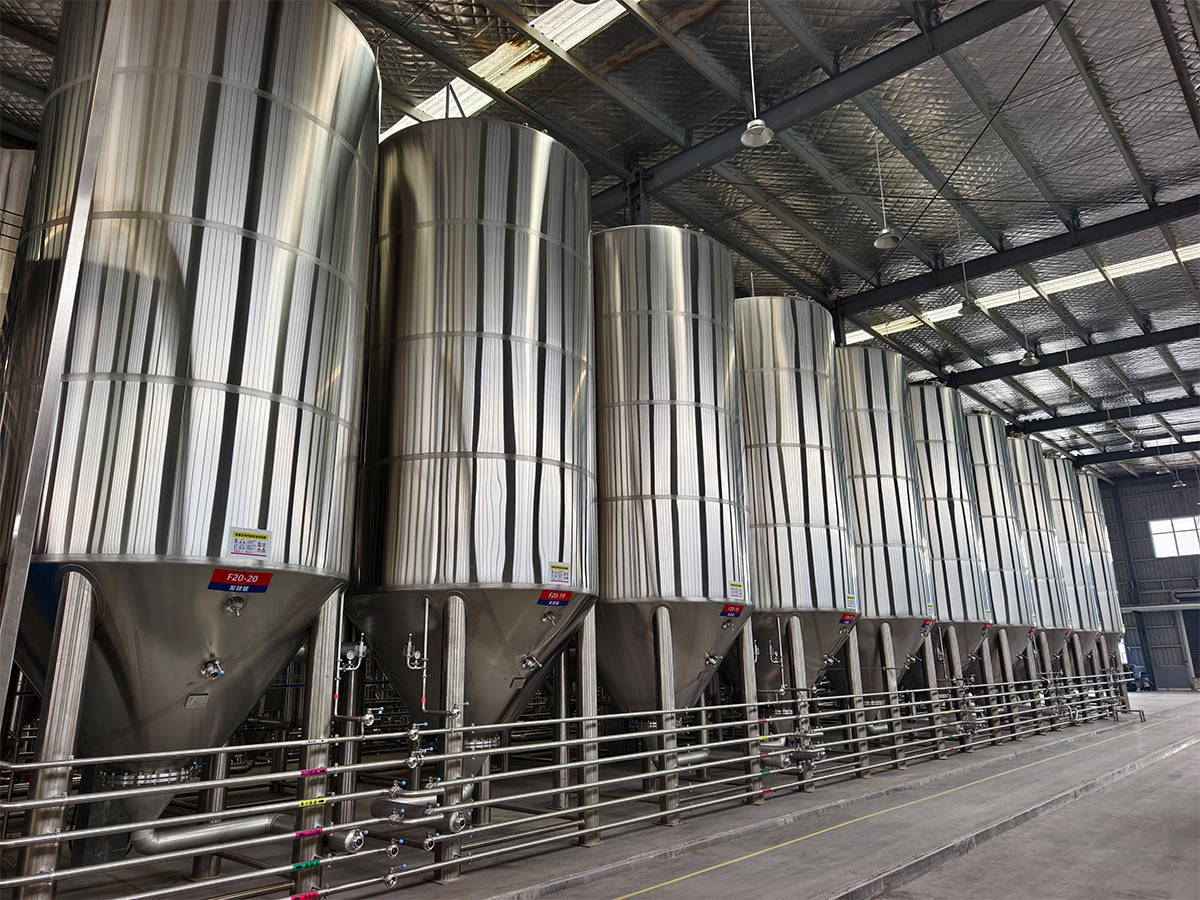
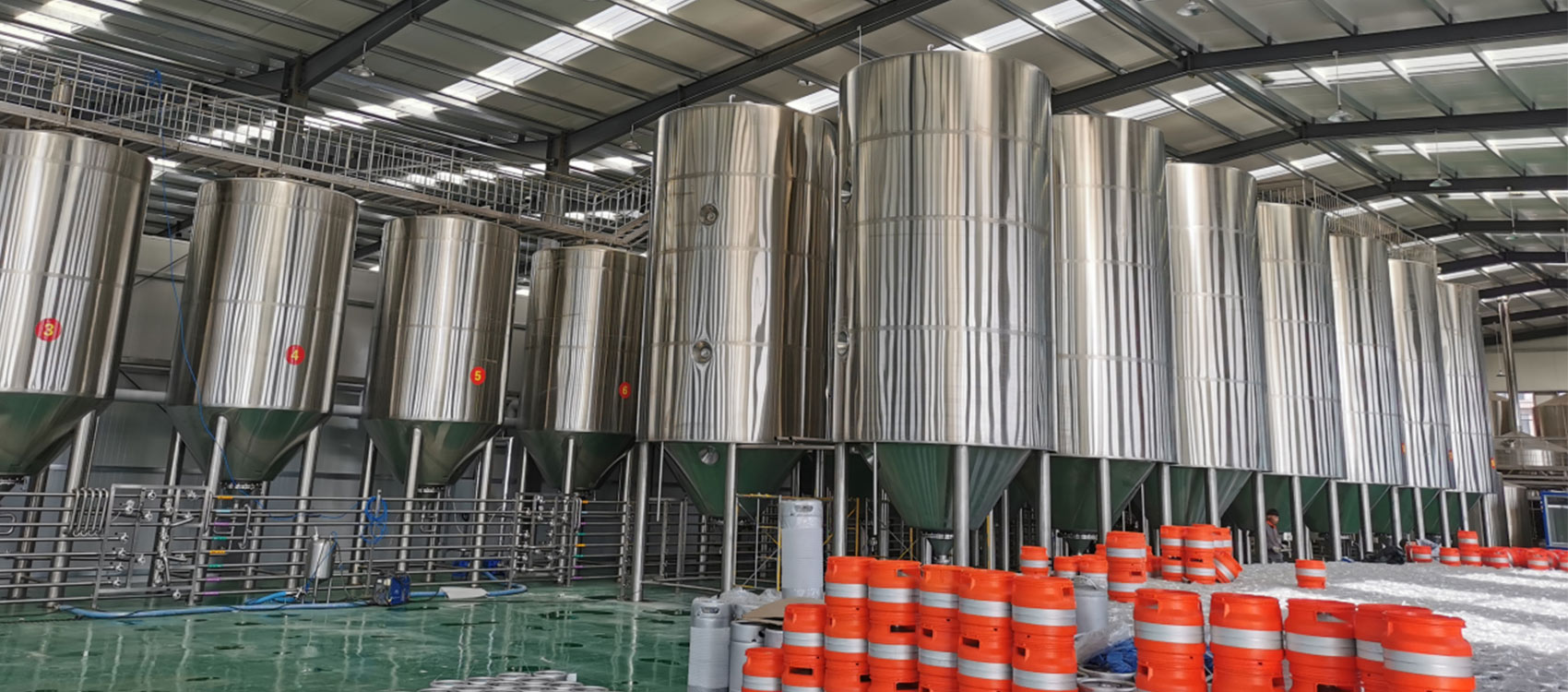
Fermentation tanks are the core equipment in fermentation beer brewing.
For medium and large breweries, fermentation tanks must provide:
- Stable temperature control
- Good pressure management
- Easy cleaning
- Long-term operation
Modern brewery fermentation tanks often use stainless steel because it is durable and suitable for food production.
SKE provides customized fermentation tank solutions according to:
- Production capacity
- Factory layout
- Beer type
- Future expansion plans
A well-designed fermentation system helps breweries improve efficiency and maintain beer quality.
Batch Fermentation vs Continuous Fermentation
| Feature | Batch Fermentation | Continuous Fermentation |
|---|---|---|
| Operation | One batch at a time | Continuous production |
| Production speed | Lower | Higher |
| Flexibility | More flexible | Best for standard products |
| Tank usage | More downtime | Better utilization |
| Cleaning frequency | More frequent | Reduced downtime |
| Suitable breweries | Craft breweries | Medium and large breweries |
How SKE Supports Fermentation Beer Brewing
SKE understands the challenges faced by modern breweries.
We provide complete brewing solutions, including:
- Mash systems
- Stainless steel mash tuns
- Brewery fermentation tanks
- Yeast management systems
- Yeast recovery equipment
- CIP cleaning systems
Our engineers design equipment based on brewery requirements, helping customers improve:
- Production capacity
- Beer consistency
- Energy efficiency
- Long-term operation
For breweries that want to improve their fermentation process, SKE provides reliable equipment and professional support.
Conclusion
Fermentation beer brewing is the foundation of modern beer production. For medium and large breweries, improving fermentation efficiency is important for maintaining quality and reducing costs.
Advanced fermentation systems, continuous fermentation technology, yeast management, and stainless steel equipment help breweries achieve better results.
The biggest beer brands depend on stable production systems to deliver consistent beer quality worldwide.
With professional brewing equipment and customized solutions, SKE helps breweries build efficient fermentation systems for future growth.
Frequently Asked Questions
Q1: What is fermentation beer brewing?
Fermentation beer brewing is the process where yeast converts sugar from wort into alcohol and creates beer flavor.
Q2: Why is fermentation important for large breweries?
Fermentation controls beer quality, taste, alcohol level, and production consistency.
Q3: How does yeast affect beer brewing?
Yeast controls sugar conversion, alcohol production, and flavor development during fermentation.
Q4: What is the benefit of yeast recovery equipment?
It helps breweries recover useful yeast, reduce waste, and improve production efficiency.
Q5: Why use a mash tun stainless system?
A mash tun stainless design provides durability, good heat control, and easy cleaning for brewery operations.
Q6: Is continuous fermentation suitable for all breweries?
Continuous fermentation is mainly suitable for medium and large breweries producing high-volume beer.
Q7: Can SKE customize fermentation equipment?
Yes. SKE provides customized fermentation systems based on brewery production needs and factory conditions.
Contact Us
If you have any further questions, feel free to reach out!
- Facebook: SKE Equipment Facebook
- Email: info@skeequipment.com
Fill out the contact form below for customized solutions. We fully support all your production equipment demands for breweries and beverage plants.