
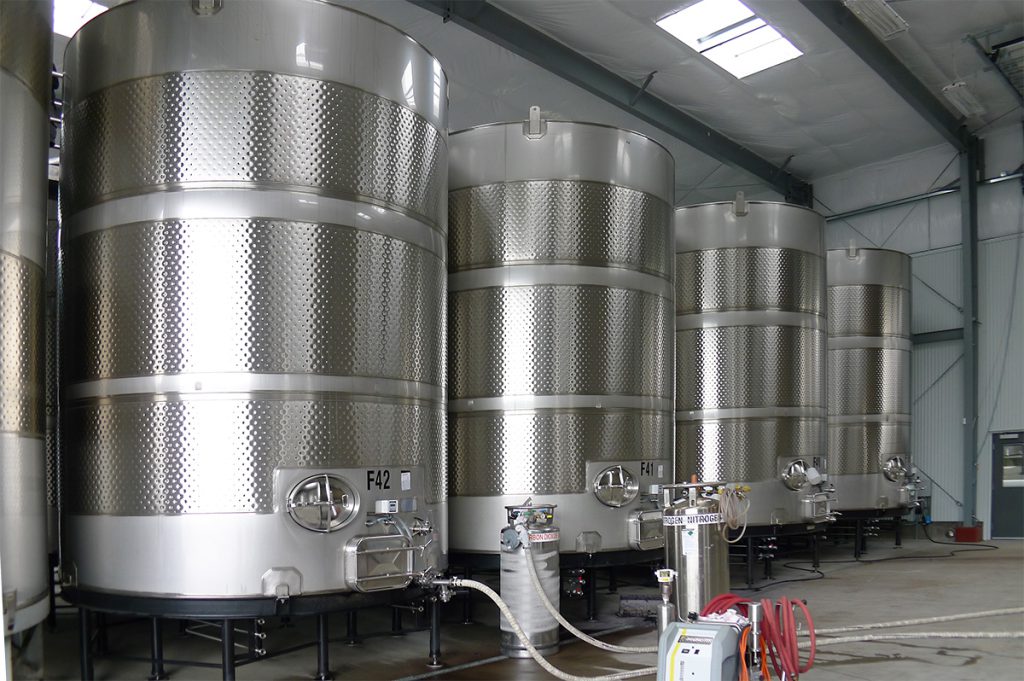
When people think of big breweries, they usually imagine huge fermentation tanks, endless bottles of beer, and the smell of hops. But today, many large breweries are expanding into wine production. This change is not random. It is based on smart use of equipment.
The same wine making stainless steel tanks that help brew beer can also produce high-quality wine. This article explains how big breweries use these tanks, why stainless steel is important, and what equipment makers like SKE offer to support this trend.
Big breweries have experience with large-scale fermentation. Beer and wine share many production steps. Both need fermentation, temperature control, and hygienic conditions. Stainless steel tanks are perfect for both drinks. For wine, stainless steel keeps the flavor clean and fresh.
It does not add any taste like wood barrels do. This is good for white wines, rosés, and fruity red wines. Big breweries already have these tanks. So, they can start wine production without buying completely new equipment. This saves money and time.
Why Stainless Steel is the Best Choice for Wine Making
Wine making tanks made from stainless steel are very popular today. They are strong, easy to clean, and last for many years. Unlike concrete or wood, stainless steel does not hold bacteria or old wine flavors. This is very important for big breweries that switch between beer and wine production. Cleaning must be fast and complete. Stainless steel tanks allow hot water and chemical cleaning without damage.
Another big advantage is temperature control. Wine fermentation needs exact temperatures. Too hot or too cold can ruin the taste. Stainless steel tanks often come with cooling jackets or heating systems. Big breweries already use these for beer. The same systems work for wine. This makes production efficient. Also, stainless steel tanks are available in many sizes. Big breweries can use tanks from 10,000 liters to 500,000 liters. This flexibility helps them produce wine in large volumes.
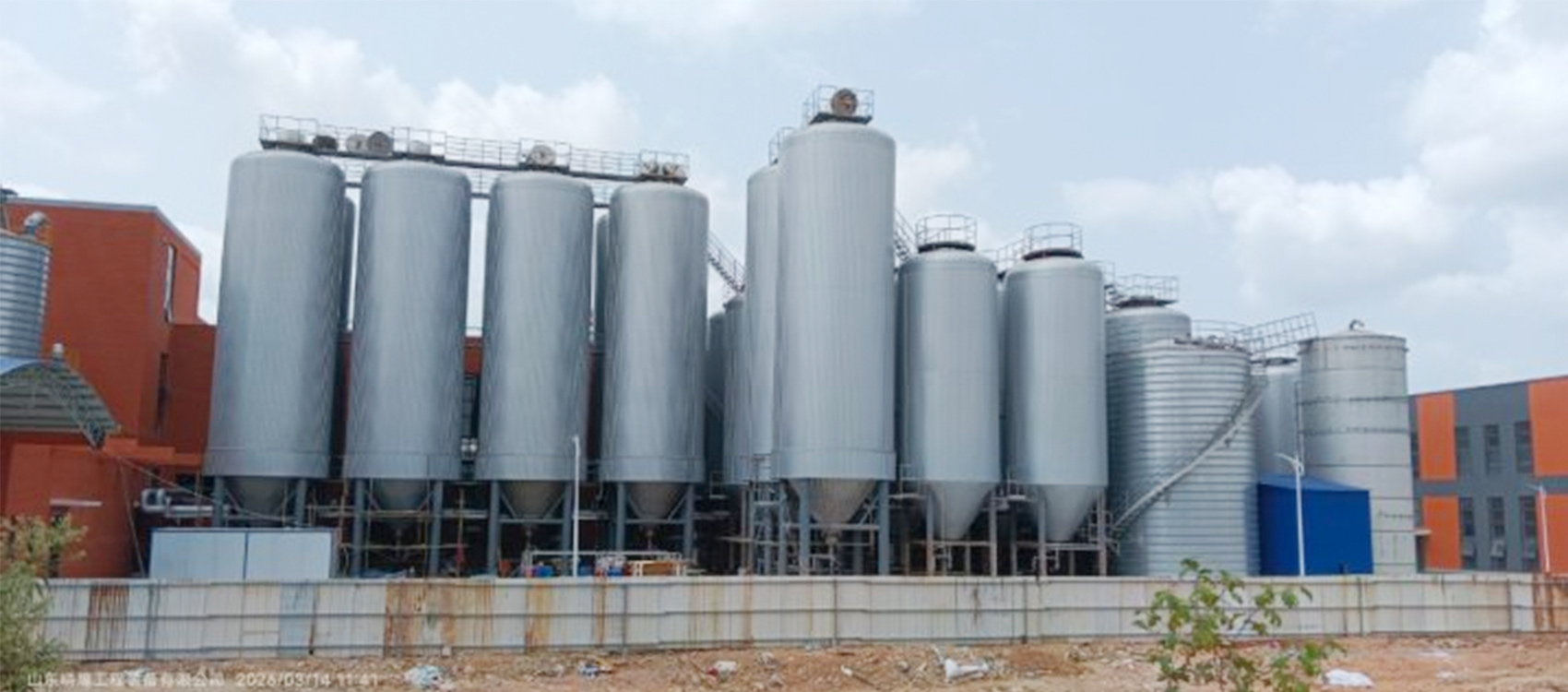
How Big Breweries Adapt Their Equipment for Wine
Big breweries do not need to change everything to start wine making. They can use their wine making stainless steel tanks for both beer and wine. However, there are small differences. Wine fermentation is slower than beer fermentation. Wine also needs aging sometimes. But stainless steel is still good for short aging. For wines that need oak flavor, big breweries can add oak chips inside the stainless steel tank. This gives a wood taste without using full barrels.
The table below shows how big breweries compare beer and wine production using the same stainless steel tanks.
| Feature | Beer Production | Wine Production |
|---|---|---|
| Fermentation time | 1 to 2 weeks | 1 to 4 weeks |
| Temperature range | 8°C to 15°C (lager) / 18°C to 22°C (ale) | 12°C to 28°C (depending on wine type) |
| Cleaning frequency | After every batch | After every batch |
| Tank material | Stainless steel | Stainless steel |
| Need for oxygen control | Low (closed system) | Medium (some oxygen helps red wine) |
| Aging method | Cold storage or bright tanks | Stainless steel, oak chips, or barrels |
| Typical tank size | 50,000 L to 600,000 L | 20,000 L to 300,000 L |
Key Features of Wine Making Tanks for Big Breweries
When big breweries buy wine making tanks, they look for specific features.
- First, the tank must have a smooth internal surface. A roughness of less than 0.5 micrometers is ideal. This prevents bacteria growth and makes cleaning easy.
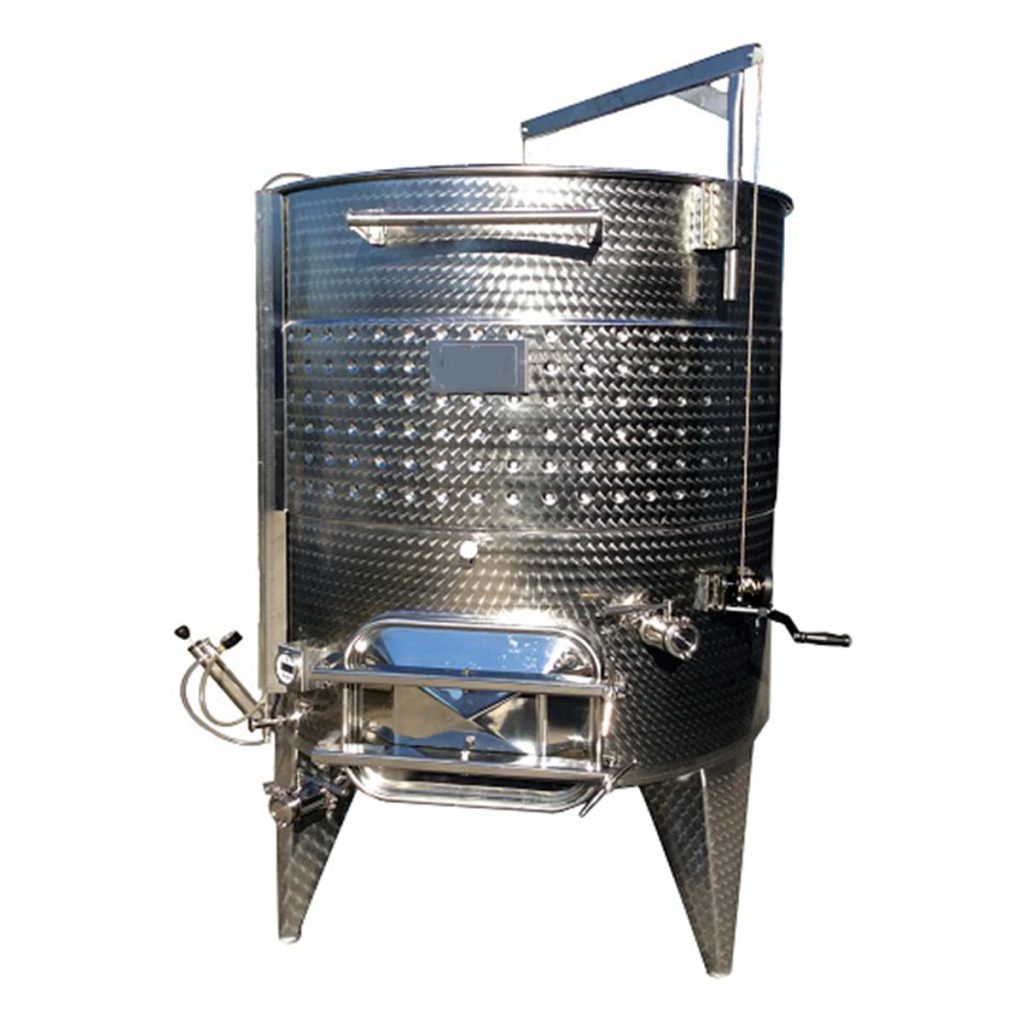
- Second, the tank should have a conical bottom. This helps remove yeast and solids after fermentation. For wine, this is very important because grape skins and seeds settle at the bottom.
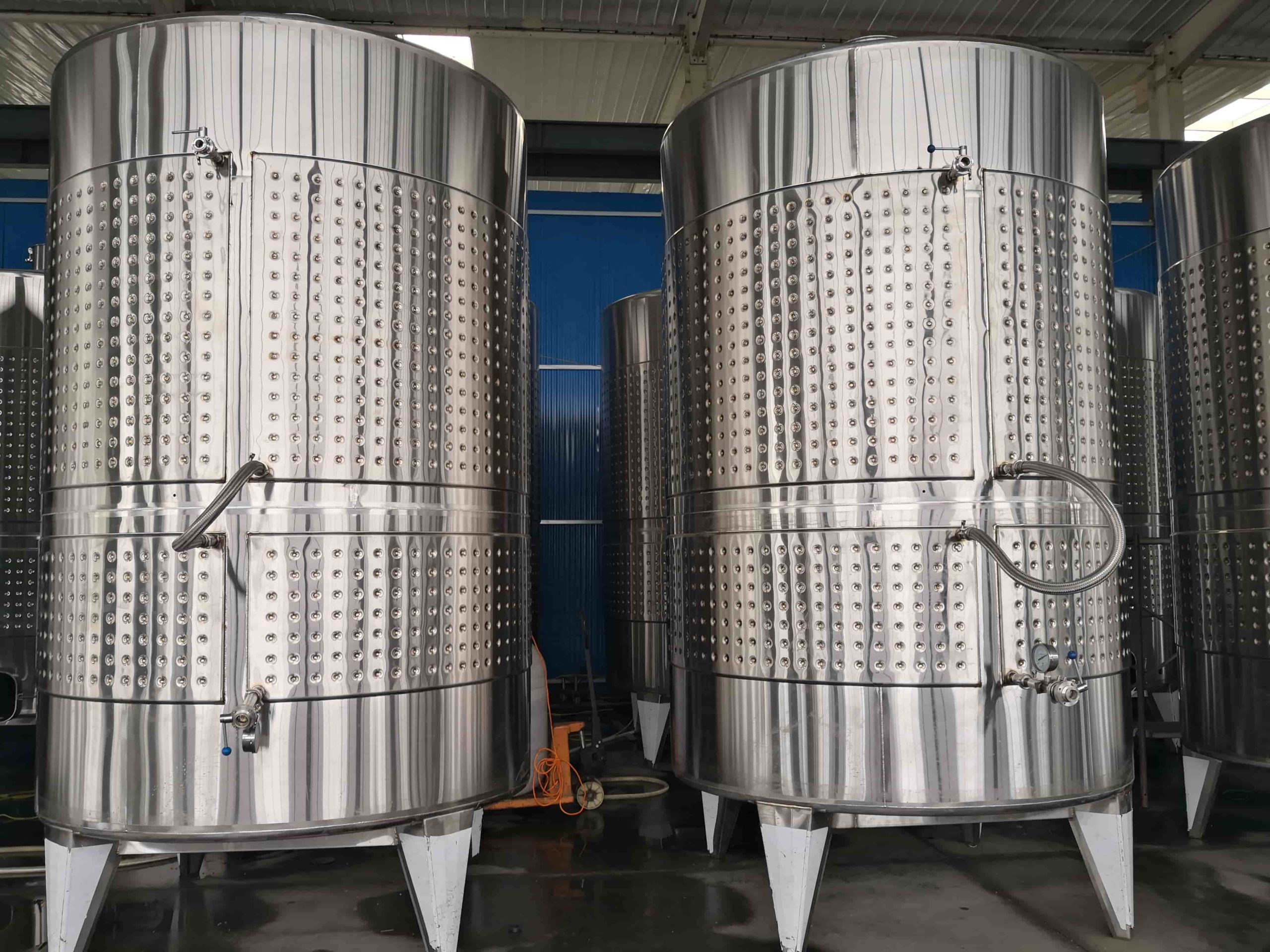
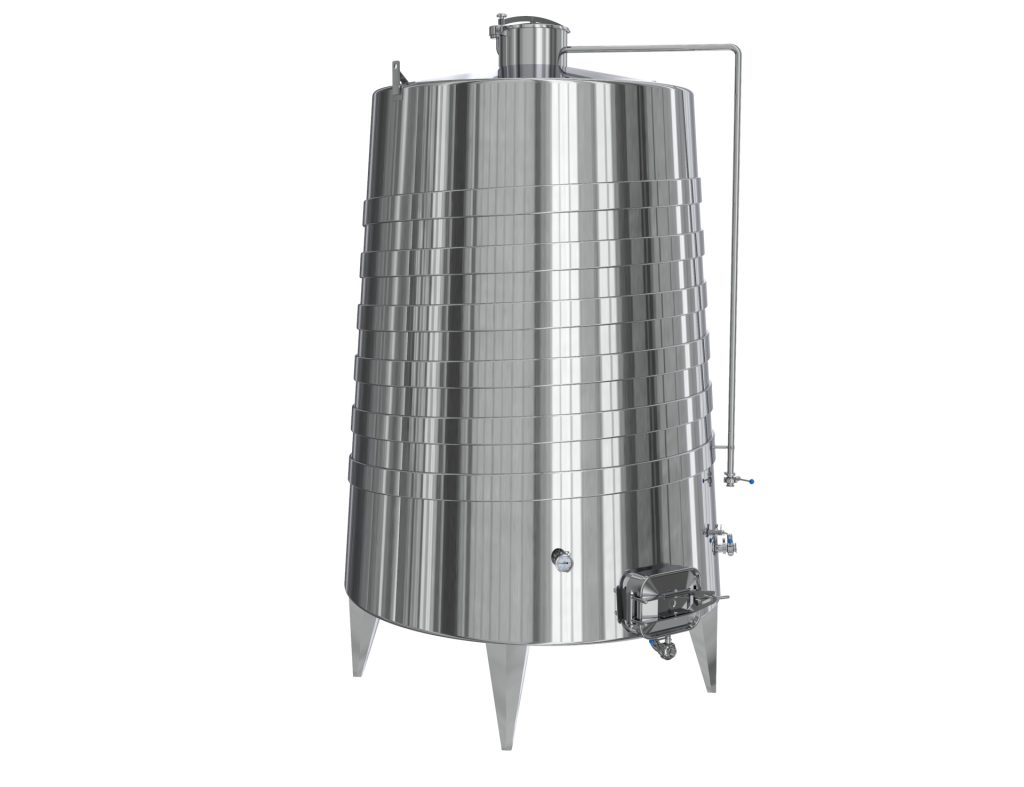
- Third, temperature control is a must. Most stainless steel tanks for wine have double walls or cooling jackets. Water or glycol flows through these jackets to keep the wine cool. Big breweries often use central cooling systems.SKE designs tanks that connect easily to existing brewery cooling systems. This reduces installation cost.
- Fourth, the tank must have sampling valves. Winemakers need to taste and test the wine during fermentation. Sampling valves allow this without opening the tank and letting oxygen inside.
- Finally, big breweries need tanks that are easy to inspect. Manholes on the top or side are standard. SKE provides tanks with manholes that are big enough for a person to enter. This is required for safety and cleaning checks.
SKE’s Role in Supplying Tanks for Big Breweries
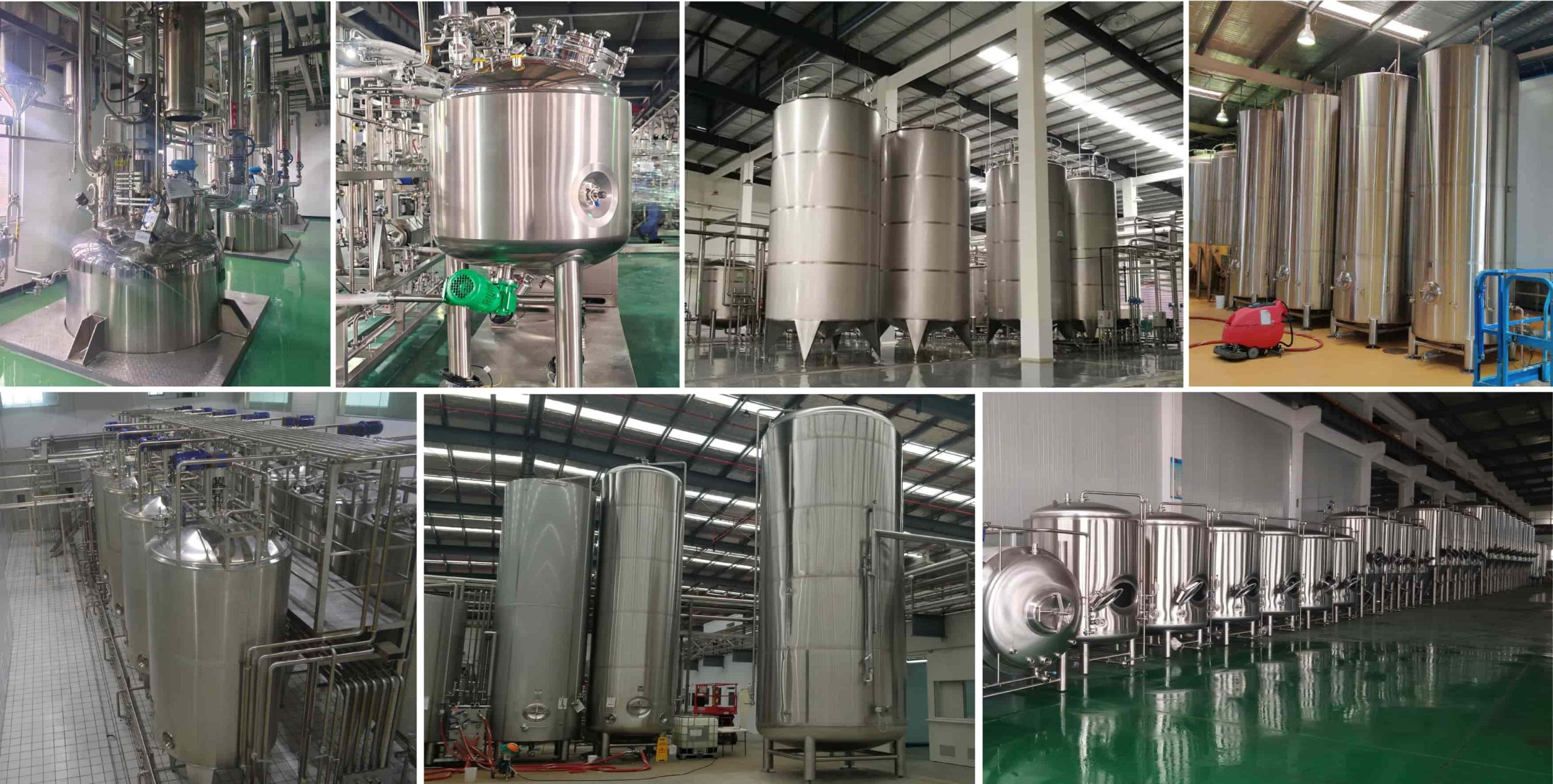
SKE is a professional manufacturer of brewing and beverage equipment. We have many years of experience making wine making stainless steel tanks for big breweries around the world. Our tanks are made from high-quality 304 or 316 stainless steel. These materials are food-grade and resist corrosion from wine acids. We also offer customized sizes, from small pilot tanks to large industrial tanks.
Our tanks come with several options. You can choose single-wall tanks for simple storage or jacketed tanks for temperature control. We also offer insulated tanks to save energy. For big breweries that want to produce both beer and wine, we provide modular systems.
This means you can add wine tanks to your existing beer line without changing your whole setup. SKE also supplies CIP (cleaning in place) systems that work for both drinks.
We understand that big breweries need reliable equipment. Downtime is expensive. That is why every SKE tank is tested for pressure and leaks before delivery. We also provide installation support and training. Our team helps you plan your tank layout, connect utilities, and start production quickly.
Advantages of Using Big Brewery Tanks for Wine
Using existing big brewery equipment for wine has clear benefits.
- First, cost savings. Building a new winery is very expensive. But using wine making tanks that you already have for beer reduces investment.
- Second, speed. Big breweries can start wine production in weeks, not years.
- Third, quality control. Breweries already have labs to test for contamination. They can use the same labs for wine.
- Fourth, sustainability. Producing wine in a brewery uses less energy than building a separate facility. Shared cooling systems, water treatment, and cleaning systems reduce the environmental impact.
- Fifth, market flexibility. Big breweries can produce wine when beer demand is low. For example, in winter, beer sales may drop. But wine sales can stay steady. This keeps the brewery busy all year.
The table below summarizes the main advantages for big breweries making wine.
| Advantage | Explanation |
|---|---|
| Lower startup cost | No need to build a new winery |
| Faster time to market | Use existing tanks and pipes |
| High quality | Stainless steel keeps wine clean and fresh |
| Easy cleaning | Same CIP system works for beer and wine |
| Year-round production | Make beer in summer, wine in winter |
| Scalable | Add more tanks as wine sales grow |
| Environmentally friendly | Shared utilities reduce carbon footprint |
Challenges and Solutions for Big Breweries Making Wine
Of course, there are also challenges. One challenge is taste mixing. If a tank is used for beer and then for wine, a small amount of beer flavor may remain. The solution is proper cleaning. SKE recommends using a hot caustic wash followed by an acid rinse.
This removes all organic residue. Another challenge is oxygen management. Beer needs very little oxygen. Some red wines need a small amount of oxygen to develop flavor. Big breweries can solve this by using adjustable valves or micro-oxygenation systems.
Another challenge is staff training. Brewery workers know beer fermentation. Wine fermentation is different. They need to learn about grape handling, pressing, and aging. SKE provides training materials and on-site sessions. We also offer remote support. Finally, there is a legal challenge.
In some countries, breweries need separate licenses for wine production. Big breweries must check local laws before starting wine production. But once they have the licenses, they can use their wine making stainless steel tanks without problems.
Future Trends: Big Breweries and Wine
The trend of big breweries making wine is growing. In the USA, Europe, and China, many large breweries now produce wine under their own brands. They use their wine making tanks to produce private label wines for supermarkets and restaurants. Some breweries even mix beer and wine to create new drinks like beer-wine hybrids. These are fermented from both barley and grapes. Stainless steel tanks are perfect for this innovation.
SKE is ready to support this future. We are developing new tank designs that can handle beer, wine, and cider in the same vessel. These tanks have special sensors for pH, alcohol, and temperature. They connect to smart control systems. Big breweries can monitor fermentation from a tablet or phone. As the market grows, SKE will continue to supply high-quality, flexible, and affordable equipment.
FAQ
Q1: Can the same stainless steel tank be used for beer and wine?
Yes, as long as it is properly cleaned between batches. Stainless steel does not hold flavors. SKE tanks are designed for easy cleaning.
Q2: Do I need different tanks for red and white wine?
Not necessarily. The same wine making tanks work for both. Red wine may need slightly higher fermentation temperatures. But temperature control systems can adjust.
Q3: Are SKE tanks suitable for big breweries?
Yes. SKE makes industrial-scale tanks up to 500,000 liters. We work with big breweries worldwide. Our tanks meet all international food safety standards.
Q4: How do I clean a stainless steel tank after making wine?
Use a CIP system with hot water, caustic detergent, and then an acid rinse. Follow with a sanitizer. SKE provides cleaning protocols for both beer and wine.
Q5: Can I add oak flavor to wine made in stainless steel?
Yes. Add oak chips or oak staves inside the stainless steel tank. This gives wood flavor without using barrels. Many big breweries use this method.
Conclusion
Big breweries have a big opportunity in wine making. They already own the most important equipment: wine making stainless steel tanks. These tanks are strong, clean, and flexible. With small adjustments, a brewery can produce high-quality wine alongside beer. SKE helps big breweries make this change.
We supply durable tanks, expert advice, and full support. Whether you want to make beer, wine, or both, SKE has the right solution. Contact us today to learn more about our wine making tanks and start your wine production journey.
If you have any further questions, feel free to reach out!
- Facebook: SKE Equipment Facebook
- Email: info@skeequipment.com
For more personalized assistance, please fill out the contact form at the bottom of this page. We look forward to helping you with your brewing needs!