
Malt is one of the most important ingredients in beer. It affects flavor, extract yield, and brewing consistency. But even high-quality malt can lose value if it is stored badly before brewing. Moisture, pests, and damaged grain can cause problems long before the malt reaches your brewhouse.
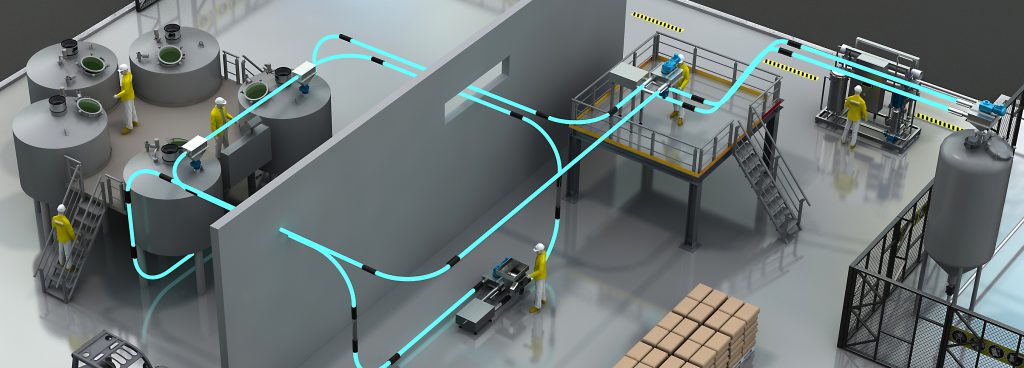
For commercial breweries, a good brewing malt storage system does more than keep bags in a room. It protects grain quality, supports steady production, and connects storage with milling and mashing. A typical system may include malt silos, receiving equipment, conveyors, a malt mill, and dust control.
The right design depends on your production capacity, daily malt use, available space, and how many malt types you handle. At SKE, we help breweries plan equipment around their real needs. This guide covers the key factors for malt storage and malt silo design.
What Is a Malt Storage System?
A malt storage system is the equipment and area used to receive, protect, store, and supply brewing malt. In larger breweries, this usually means dedicated silos and mechanical conveying rather than bags alone.
A complete system may include several parts. Malt receiving equipment accepts grain from trucks or bags. Malt silos store bulk malt in a closed, protected space. Conveying equipment moves malt between receiving, storage, and milling. A malt mill crushes whole malt to the size the brewhouse needs. Dust control manages dust during transfer and milling. A control system coordinates the equipment.
Not every brewery needs all of these. A small brewery may use bag storage and a simple mill setup. A larger plant may need multiple silos and automated conveying. The goal is to match the system to your actual malt demand—enough capacity for normal production, without extra cost or cleaning problems.
Why Brewing Malt Storage Matters
Malt is a natural product that keeps changing after malting. Temperature, moisture, oxygen, and time all affect its condition. Poor storage increases the risk of mold, pests, stale aromas, and uneven milling. These problems can affect brewing performance and may force you to reject a batch of malt.
Moisture is the biggest concern. Finished brewing malt usually has a moisture content of about 3.5% to 5%. If it absorbs more water from humid air, mold can grow and enzymes can degrade. Temperature changes can also cause condensation inside a silo when warm air meets cold steel.
Good storage supports consistent extract performance. If malt is damaged or changes during storage, brewers may see differences in milling, lautering, and wort production. The main benefits of effective brewing malt storage are better raw material protection, more consistent brewing, less manual handling, more reliable planning, and better control of material flow. Storage equipment alone cannot guarantee beer quality, but it is an important foundation.
Malt Silo Design: Key Factors
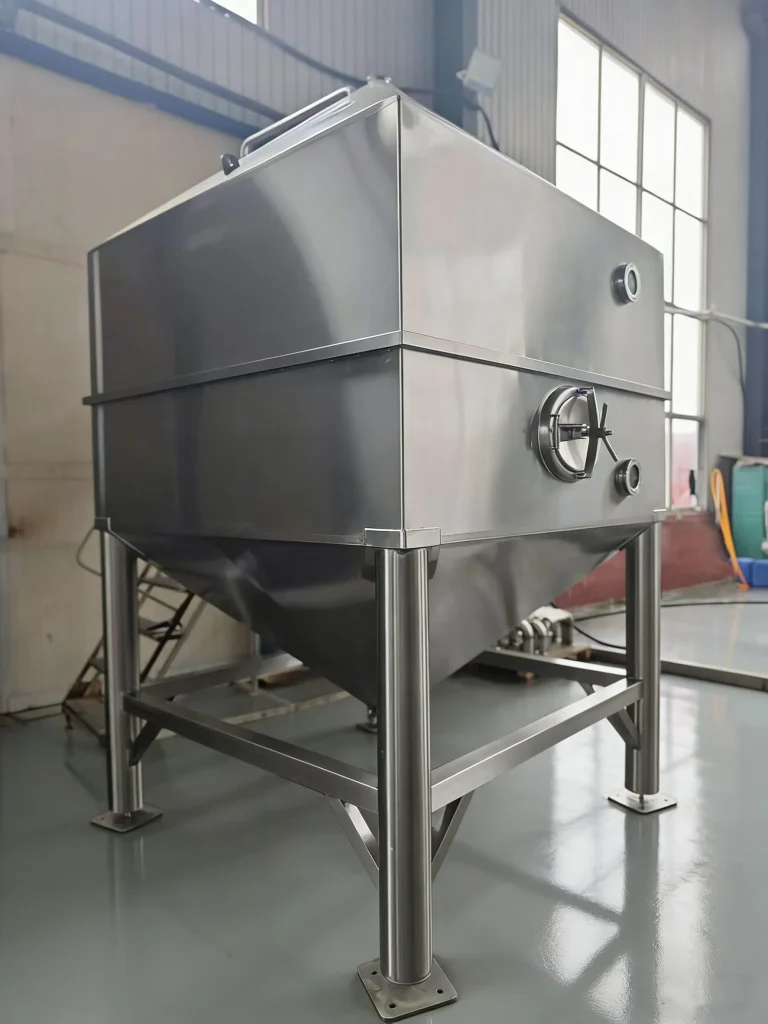
Malt silos are the standard solution for breweries that use bulk grain. Their design should match the malt type, expected consumption, site conditions, and the way material moves through the plant.
Silo Capacity
Base capacity on daily malt consumption, delivery frequency, and the number of malt varieties. A brewery using several malt types may need separate silos to avoid mixing. A brewery with frequent deliveries may need less capacity than one that receives bulk malt only occasionally.
Consider average and peak consumption, delivery size, reserve stock, building height, and future expansion. Oversized silos increase investment and use valuable space. Undersized silos create supply pressure. The right size balances operating needs with total project cost.
Discharge and Flow Design
Malt must move from the silo to the next stage without delays. Poor discharge can cause bridging or leave material stuck in parts of the silo. This makes the system harder to operate and clean.
Consider the outlet, hopper shape, conveying equipment, and malt characteristics together. The design should support reliable discharge while limiting grain damage and dust. A smooth interior surface helps material flow and makes cleaning easier.
Cleaning and Maintenance Access
Dust and residual grain collect around inlets, outlets, inspection points, and conveying connections. Good design provides safe access for inspection, maintenance, and cleaning. Silo entry is a high-risk activity. It should only happen under an approved confined-space procedure when necessary. Regular maintenance of filters, seals, and discharge equipment helps prevent blockages and unexpected downtime.

Recommended Malt Storage Conditions
Store malt in a clean, dry, protected environment. The right conditions depend on malt specifications, packaging, climate, storage duration, and supplier recommendations. Do not apply one temperature or humidity target to every malt type.
| Factor | Recommended Approach | Why It Matters |
|---|---|---|
| Moisture | Follow supplier specs; inspect deliveries | Excess moisture risks mold and quality loss |
| Temperature | Keep conditions stable; avoid excessive heat | Heat speeds up unwanted changes |
| Humidity | Prevent water ingress; manage area moisture | Moisture damages grain and encourages mold |
| Pest control | Keep clean; use a documented plan | Protects malt from insects and contamination |
| Stock rotation | Use first-in, first-out where appropriate | Reduces old stock sitting unused |
| Inspection | Regular, documented checks | Finds quality and equipment issues early |
Inspect malt on arrival. Check packaging condition, visible damage, unusual odors, pests, and supplier documents. Keep the storage area free from leaks and standing water. Store malt away from chemicals and strong odors that could cause contamination.
Malt Silos vs. Bag Storage
The best storage method depends on brewery size, malt consumption, space, and budget. This table summarizes the main differences.
| Factor | Malt Silo Storage | Bag Storage |
|---|---|---|
| Typical use | Medium–large breweries, regular bulk malt | Small or lower-volume breweries |
| Handling | Supports automated transfer | More manual handling |
| Space | Needs suitable location and structural support | Needs clean, dry floor area |
| Investment | Usually higher | Usually lower for simple setup |
| Stock management | Separate silos organize bulk types | Labels and organization are key |
Do not choose a silo system only because it looks advanced. Match the investment to your actual volume and expected growth. A hybrid approach also works well: silos for base malt, bags for specialty malt used in smaller amounts.
Common Mistakes in Malt Storage
Even well-equipped breweries can have problems without good procedures. Here are the most common issues.
Ignoring incoming checks. Equipment cannot fix poor-quality malt. Inspect deliveries and keep supplier records. Wrong silo capacity. Base it on actual consumption, delivery frequency, and malt varieties—not only future plans. Poorly planned conveying routes. Extra transfer points and difficult access increase maintenance and cleaning work.
Neglecting dust control. Malt dust affects workplace cleanliness and can create fire hazards under certain conditions. Manage it with suitable equipment and housekeeping. Mixing malt types. Clear identification and correct silo allocation prevent cross-mixing. Weak stock rotation. Record delivery dates and inventory, and use a suitable rotation procedure.
Good equipment design, clear procedures, and staff training reduce these risks. SKE works with breweries to plan systems that consider practical operation, not just equipment capacity.

FAQ About Brewery Malt Storage
1.What is a malt storage system in a brewery?
It is the equipment and storage area used to receive, protect, store, and supply brewing malt. It may include silos, receiving equipment, conveyors, a mill, dust control, and automation.
2.How long can brewing malt be stored?
It depends on malt type, initial quality, moisture, and conditions. Regular two-row malt may keep good quality for four to six months. Darker malts are more sensitive and are best used within six to eight weeks. Follow supplier guidance and rotate stock.
3.Are malt silos better than bag storage?
Not always. Silos suit breweries with regular bulk consumption and a need to reduce manual handling. Bags can be more practical for smaller operations or many specialty malts.
4.Does malt storage affect beer quality?
Yes. Poor storage exposes malt to moisture, pests, mold, and odors. Protecting malt supports consistent brewing, though beer quality also depends on the full process.
5.What should breweries consider when selecting a malt silo?
Capacity, malt varieties, site layout, discharge design, conveying connections, cleaning access, dust control, and future production needs.
6.Can malt storage connect to an automated brewhouse?
Yes. A well-planned system can link silos and conveying with milling and brewhouse operations. The level of automation depends on equipment, control system, and project requirements.
Conclusion
Malt storage is a key part of reliable commercial brewing. Good conditions protect raw material quality, while well-planned silos, conveying, and milling connections keep malt flowing steadily to the brewhouse. The right solution depends on malt consumption, production capacity, site layout, and future growth.
At SKE, we help breweries plan equipment based on real project requirements. For a new facility or a production line upgrade, a coordinated approach to malt storage and handling is a practical step toward more consistent brewing. Contact SKE to discuss your malt storage and equipment needs.
- Facebook: SKE Equipment Facebook
- Email: info@skeequipment.com
Fill out the contact form below for customized solutions. We fully support all your production equipment demands for breweries and beverage plants.