
Introduction: The Scale of Global Beer Production
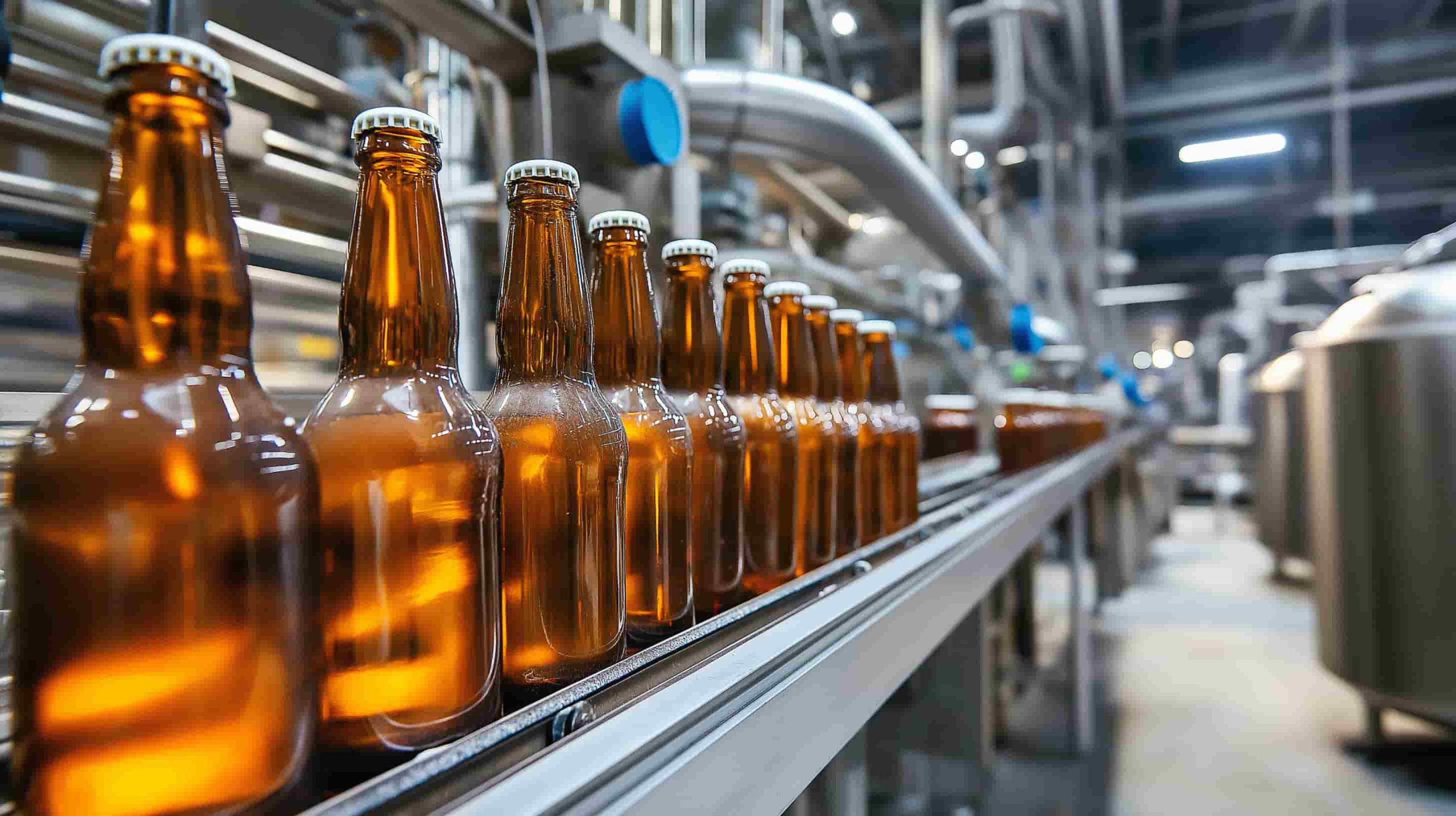
The beer industry is truly massive. When we talk about the world’s largest breweries, we are referring to facilities that produce millions of hectoliters of beer every year. To put that into perspective, the top global brewer, AB InBev, produced over 495 million hectoliters in 2024 alone. This is more than a quarter of the entire world’s beer production.
For these industrial giants, brewing is not just an art. It is a science that depends on heavy machinery. Small craft breweries might use simple pots. But the world’s largest breweries rely on advanced technology. They use automated production equipment and precise sensors to keep everything running smoothly.
At SKE, we understand this industrial environment. We manufacture large fermentation tanks and mashing equipment. This guide explains how massive facilities maintain their equipment. We will look at the challenges of fermentation beer production, the role of automated production equipment, and the critical importance of the beer flow meter.
The Giants of the Industry
Before discussing maintenance, it helps to understand who runs these machines. The top brewers command a massive share of the market. The top three companies control more than half of the global beer volume.
| Rank | Company Name | Country | 2024 Production (Million hl) | Famous Brands |
|---|---|---|---|---|
| 1 | AB InBev | Belgium | 495.49 | Budweiser, Corona |
| 2 | Heineken | Netherlands | 240.70 | Heineken, Amstel |
| 3 | China Res. Snow | China | 108.80 | Snow Beer |
| 4 | Carlsberg | Denmark | 101.20 | Carlsberg, Tuborg |
| 5 | Molson Coors | USA/Canada | 79.62 | Coors Light, Miller |
| 6 | Tsingtao Brewery | China | 75.38 | Tsingtao Beer |
Data compiled from industry reports.
AB InBev alone produces enough beer to fill about 20,000 Olympic-sized swimming pools every year. To achieve these volumes, equipment cannot afford to break down. This is why maintenance is the most important job. Engineers must ensure every valve, pump, and tank works perfectly 24/7.
Maintaining Mashing Equipment
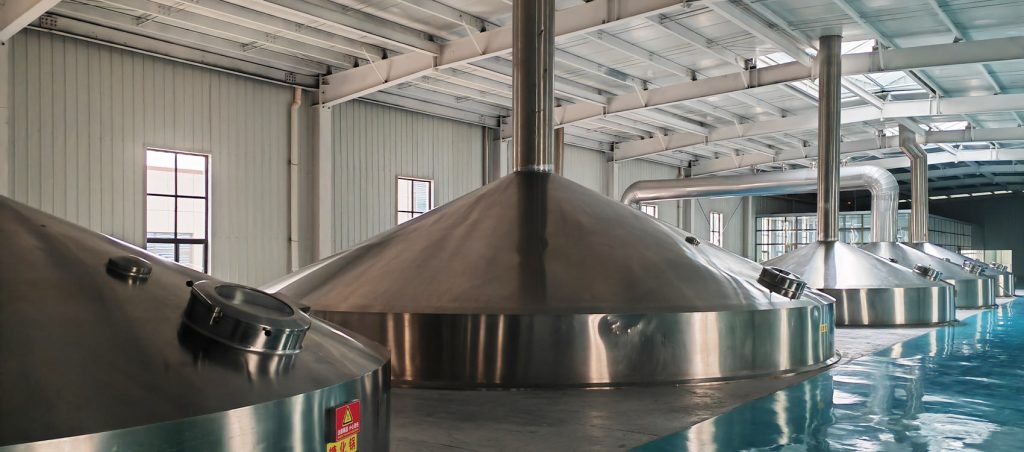
Before fermentation begins, the grain must be mashed. This happens in the brewhouse. The mashing process mixes hot water with malted barley. The automated production equipment here must handle high temperatures.
The mash filters separate the sugar water (wort) from the grain. These machines have many small plates. Over time, these plates can become clogged with grain husks. This is a major issue. A clogged filter slows down production.
Maintenance staff must regularly clean or replace these screens. They also check the valves that control the mash flow. A problem with the beer flow meter during this stage can lead to bad measurements.
Here is a real example. One large brewery noticed their beer flow meter readings did not match tank levels. They found that the meter’s electrodes were covered with residue. The automated production equipment was not alerting them. They solved this by adding a more frequent cleaning cycle.
Energy efficiency is also important. Many large breweries use heat recovery systems. These take steam from the boiling process and use it to pre-heat water. This reduces energy costs and supports sustainability goals.
The Science of Fermentation Beer
Fermentation is the heart of beer production. It is where yeast turns sugar into alcohol. When producing fermentation beer on an industrial scale, temperature control is the main challenge.
Yeast is a living organism. When you put 500,000 liters into a tank, the yeast creates heat. If the center gets too hot, the yeast dies. If it is too cold, fermentation stops. Fermentation beer requires strict temperature management.
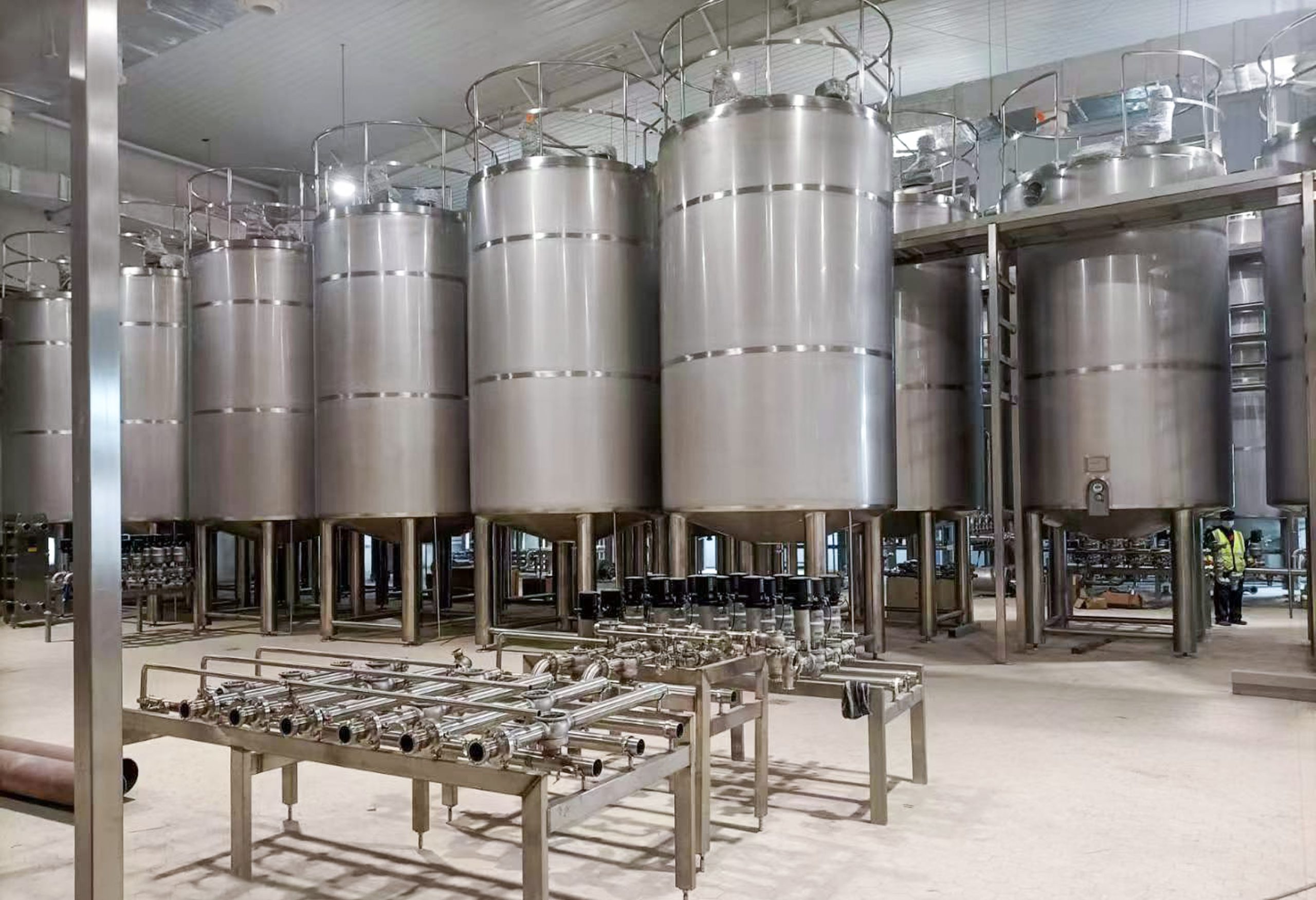
SKE builds large fermentation vessels. These tanks are made from high-grade stainless steel. They have cooling jackets that circulate cold water. This keeps the fermentation beer at the perfect temperature.
Another factor is pressure. In large tanks, the liquid’s weight creates hydrostatic pressure. Engineers use pressure transmitters to track this data. If pressure drops or spikes, it can indicate a leak. Sensors are crucial for fermentation beer production.
The world’s largest breweries often have hundreds of tanks. Managing them manually is impossible. They rely on automated production equipment to monitor each tank and alert staff to issues.
Automated Production Equipment
Modern breweries cannot operate without automated production equipment. In the past, workers manually checked gauges. Now, computers do the heavy lifting.
Automated production equipment helps reduce waste. A few degrees of temperature deviation during mashing can ruin the beer. Automation ensures the process is exactly the same every time. This is called repeatability.
Large companies like Heineken use IoT devices to connect machines. Central control rooms monitor production data in real-time. If a pump runs too fast or a valve is stuck, the system alerts the operator.
For SKE, automated production equipment is built into our tanks. Digital sensors report to the central computer. Operators see temperature, pressure, and fill levels at a glance. If something goes wrong, an alarm sounds. The team can fix problems before they affect the beer.
The Role of the Beer Flow Meter
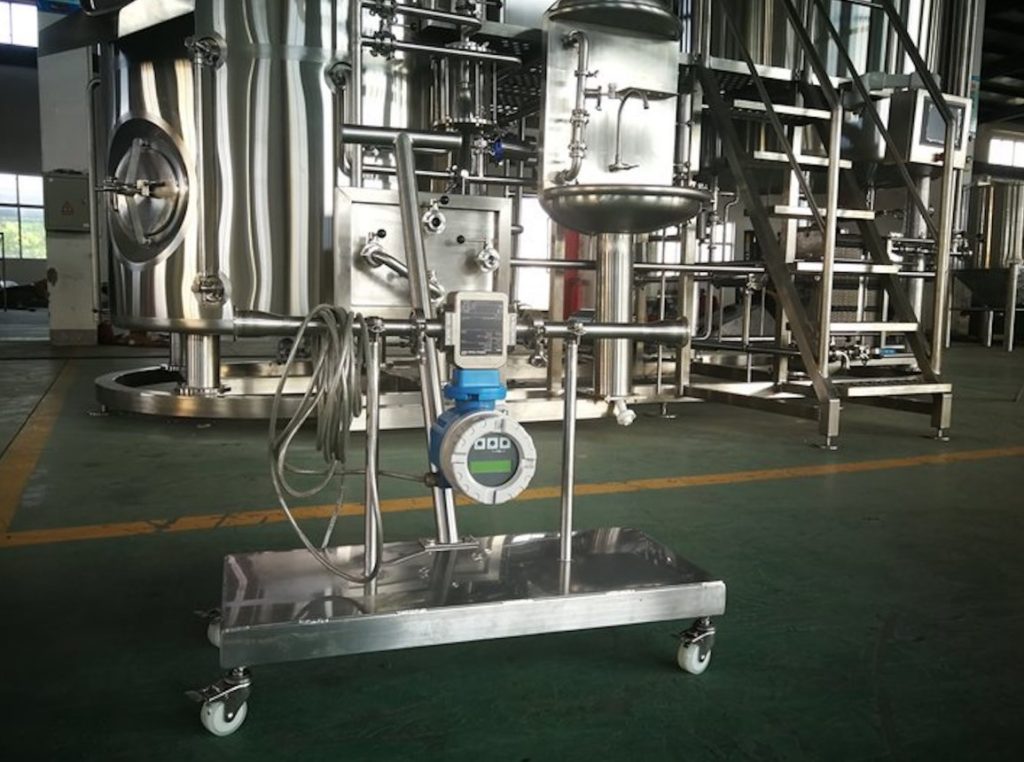
One of the most important instruments is the beer flow meter. It measures the amount of liquid moving through a pipe. Why is this important? Because beer is expensive.
In a large brewery, losing even one liter costs money. The beer flow meter helps track yield. It tells operators exactly how much beer moves from fermentation to filtration. If there is a loss, the data helps find the leak.
There are different types of flow meters. Ultrasound meters clamp onto the outside of the pipe. They do not touch the liquid. This prevents contamination.
Other breweries use magnetic or Coriolis meters. These are very accurate. A Coriolis beer flow meter can measure density too. This helps calculate sugar content. For the world’s largest breweries, accurate meters are required by law to calculate taxes correctly.

Maintaining Fermentation Tanks
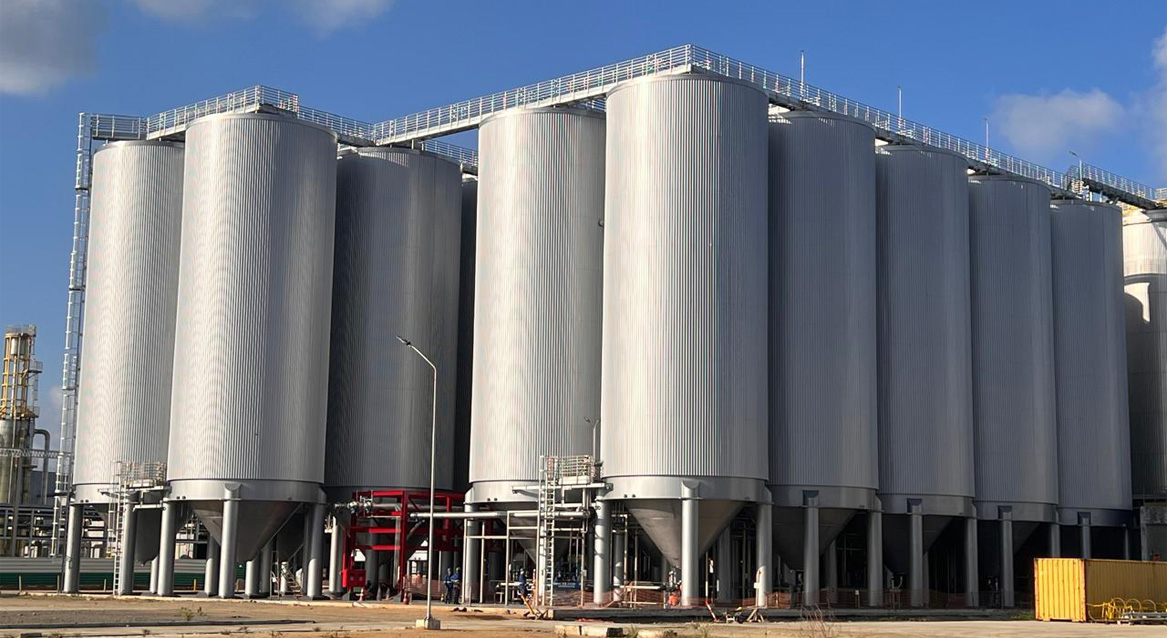
Maintaining fermentation beer tanks is a critical daily task. The most important activity is Cleaning in Place, or CIP. This automated process sprays cleaning chemicals inside the tank. It removes yeast residue (called “trub”).
For the world’s largest breweries, CIP must be efficient. If a tank is being cleaned, it is not making beer. Engineers program the automated production equipment to run cleaning cycles during shift changes.
Another task is checking the cooling jackets. These can develop leaks over time. If cooling fails, the fermentation beer overheats. Engineers check the pressure in cooling lines regularly.
SKE designs tanks with smooth surfaces. This makes CIP easier. Smooth surfaces stop bacteria from sticking. Regular visual inspections check for cracks in welds and seals on manways.
Filtration and Bright Beer Tanks
After fermentation, the beer goes to filtration. Here, yeast is removed to make the beer clear. Many breweries use a powder called Kieselguhr (Diatomaceous Earth).
Kieselguhr is abrasive. It can damage seals and pumps. To solve this, many breweries use clamp-on beer flow meter sensors. These sit outside the pipe, so they are not damaged.
Filtration is controlled by automated production equipment. The system monitors pressure across the filter. When pressure gets too high, the filter is dirty. The system stops the flow, and filters are cleaned.
Bright beer tanks hold the beer after filtration. Here, beer waits until packaging. Engineers check pressure valves to maintain carbonation levels. If pressure drops, the beer goes flat.
Common Maintenance Issues
Even with the best equipment, problems can happen. Here is a quick reference table.
| Issue | Possible Cause | Quick Check |
|---|---|---|
| Temperature too high | Cooling valve stuck | Check valve signal |
| Flow meter reads zero | Cable disconnected | Test continuity |
| Filter pressure high | Plates clogged | Check pressure difference |
| Yeast activity low | Bottom valve leaking | Perform seal test |
| CIP ineffective | Spray ball blocked | Inspect spray pattern |
This table helps operators respond quickly and reduce downtime.
Conclusion
The world’s largest breweries will continue to grow. They will need better maintenance strategies. Demand for fermentation beer is high. Engineers must use the best automated production equipment to avoid downtime.
The beer flow meter will become even more important. It tracks the money. With rising costs, breweries will focus on efficiency.
At SKE, we supply equipment that helps these giants stay operational. Our tanks are built to last decades. We support clients with training and technical support. Whether you are planning a new brewery or upgrading existing equipment, SKE provides end-to-end solutions. Our engineers are ready to visit your site for a free equipment audit. Contact us today.
FAQ
Q1: Which is the largest brewery in the world?
A: AB InBev is the largest, producing 495.5 million hectoliters in 2024.
Q2: Why is a beer flow meter important?
A: It measures liquid volume in pipes. It is critical for tracking product loss and calculating taxes.
Q3: What is automated production equipment?
A: Computer-controlled systems that manage brewing. They include sensors, valves, and pumps.
Q4: How does SKE support large breweries?
A: SKE manufactures fermentation and mashing tanks with precision cooling and sanitary standards.
Q5: How often should a beer flow meter be calibrated?
A: Monthly or quarterly, depending on usage. Smart meters can self-verify.
Q6: What should operators do when equipment alarms?
A: Check the control panel for error codes. Verify the sensor or valve condition. Contact maintenance if unsure.
Q7: What is the biggest maintenance challenge?
A: Preventing unplanned downtime. A single failed pump can stop an entire line.
Contact Us
If you have any further questions, feel free to reach out!
- Facebook: SKE Equipment Facebook
- Email: info@skeequipment.com
Fill out the contact form below for customized solutions. We fully support all your production equipment demands for breweries and beverage plants.