The global beer industry is enormous. When we talk about the world’s largest brewery, we refer to corporations that produce billions of liters of beer annually. To grasp this massive scale, let’s look at key industry figures.
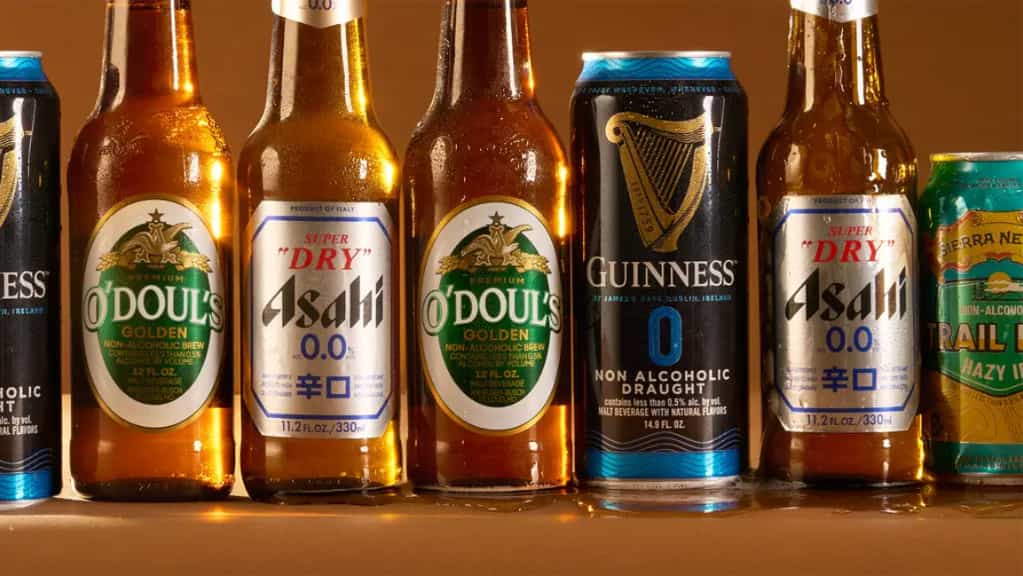
This market is dominated by industry giants including AB InBev, Heineken and China Resources Snow Breweries. Beer demand exists worldwide, yet consumer preferences are undergoing major shifts. A growing number of consumers are seeking healthier beverage alternatives, such as low-alcohol and alcohol-free beer. This market shift represents a pivotal trend that even the world’s largest breweries are adapting to.
This is where dealcoholization equipment becomes indispensable. It enables medium and large breweries to develop these new popular beverages while retaining the original beer flavor consumers love. This article elaborates on how this technology operates, its core advantages, and why SKE’s alcohol removal systems are an ideal investment for modern breweries.
The World’s Largest Breweries and the Low/No-Alcohol Beer Market
To fully recognize the value of dealcoholization equipment, we first need to review the industry’s production scale. AB InBev, a Belgian brewing group, holds the title of the world’s largest brewery, with an annual output exceeding 495 million hectoliters of beer in 2024. For reference, this volume equals more than 49.5 billion liters per year.
Per the authoritative BarthHaas Report, AB InBev manufactures over one-quarter of all beer globally, more than double the output of its closest rival Heineken. The top three global brewers are listed below:
- AB InBev (Belgium)
- Heineken (Netherlands)
- China Resources Snow Breweries (China)
These staggering production volumes illustrate the operational scale of the world’s leading breweries. For enterprises of this size, launching new product lines like non-alcoholic beer requires reliable, expandable and high-efficiency processing technology.
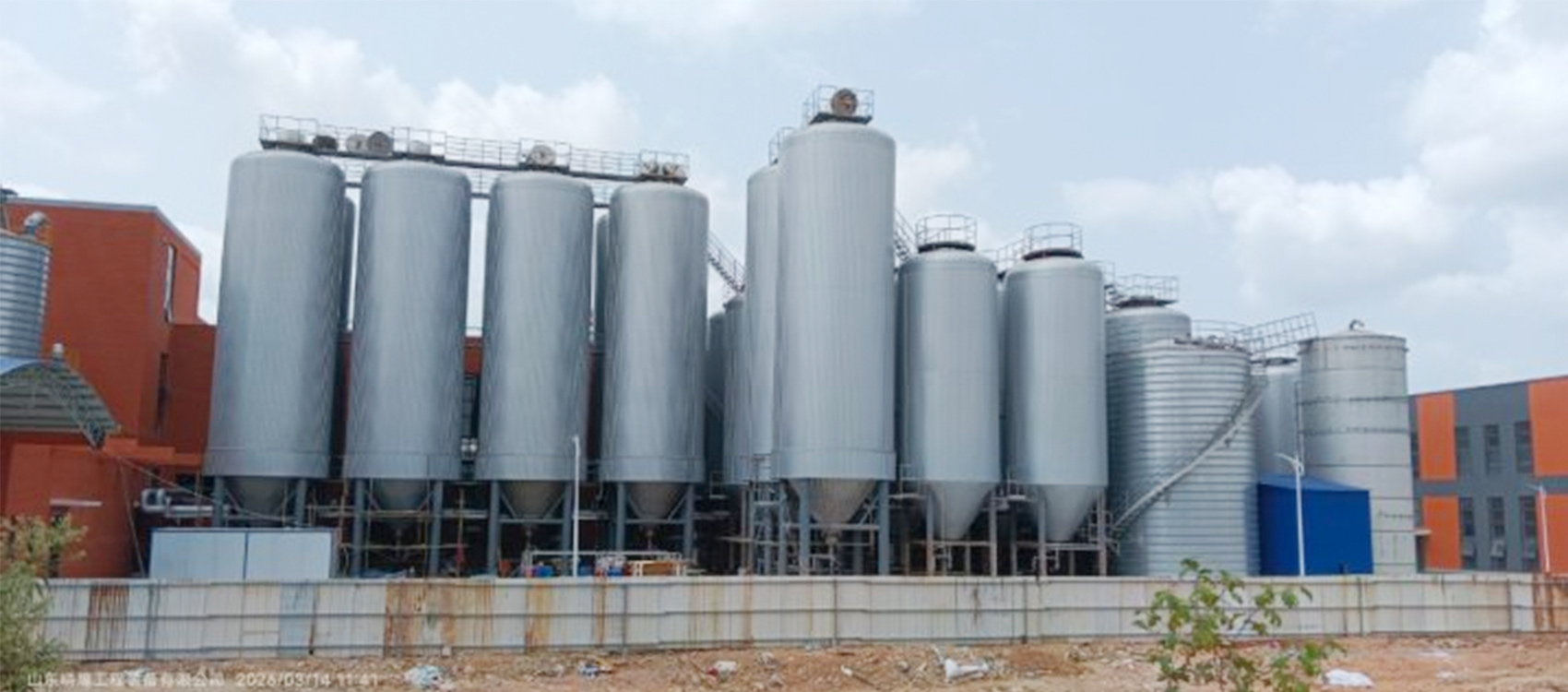
The global low- and zero-alcohol beer market is expanding rapidly, driven primarily by health-focused young adults. This rising consumer demand means dealcoholization systems are no longer optional add-ons—they have become standard production infrastructure, adopted not only by craft breweries but also by the world’s top 40 brewers including the world’s largest brewery.
What Is a Dealcoholization System?
Dealcoholization equipment is a specialized processing unit designed to strip alcohol from beer while fully preserving its natural flavor, aroma and mouthfeel. For large-scale breweries, this is an irreplaceable production process. The core objective is to produce finished beer that matches the taste of regular beer, with negligible alcohol content or zero alcohol.
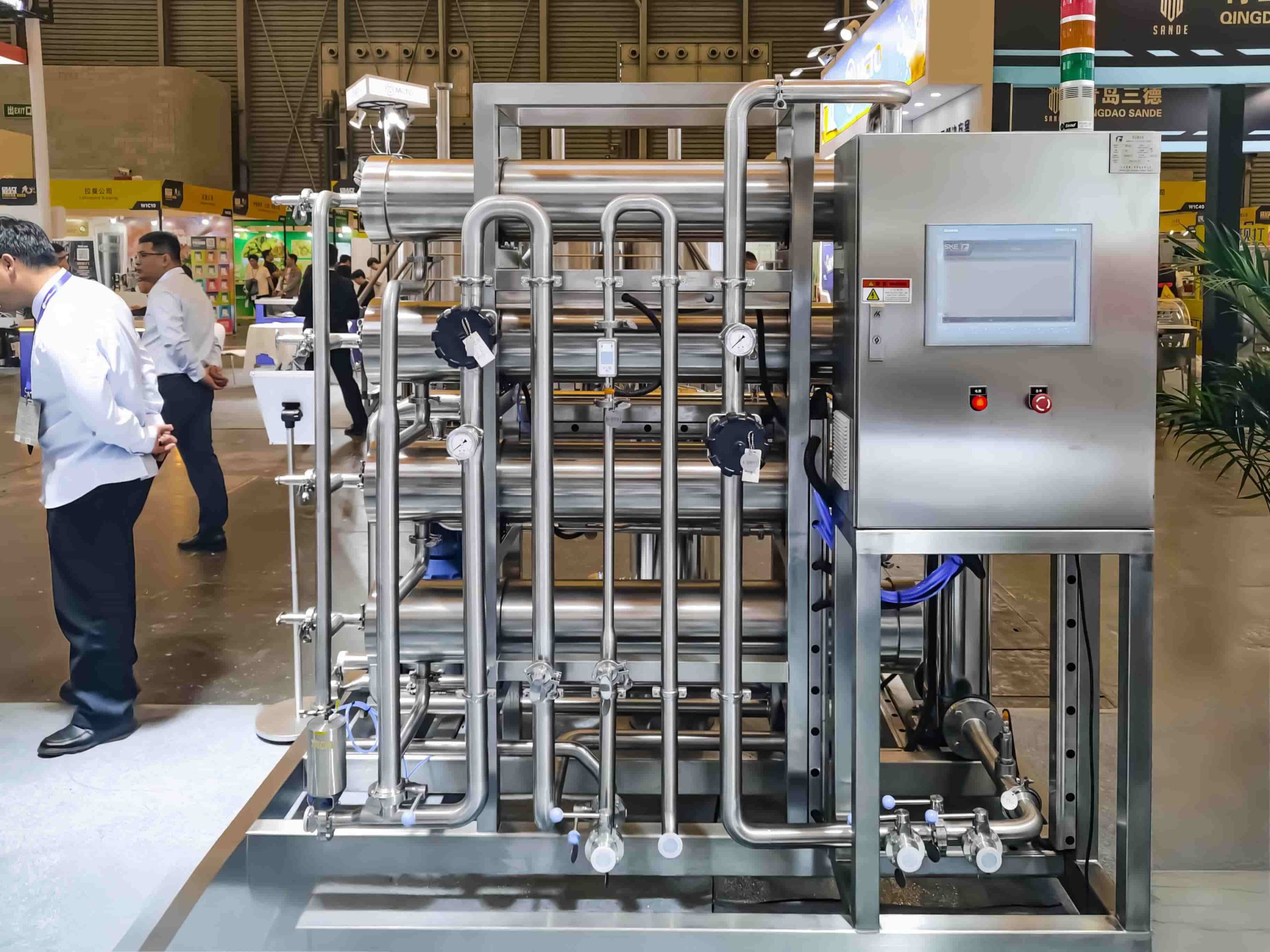
Cutting-edge units such as SKE’s membrane filtration systems adopt physical separation technology. Instead of heat treatment (which damages beer’s delicate flavor compounds), they rely on pressure-driven separation. The principle resembles reverse osmosis (RO) used in water purification, yet the equipment is customized exclusively for beer processing.
An RO membrane functions as an ultra-fine filter. When beer passes through the membrane under high pressure, small alcohol and water molecules penetrate the filter, while larger flavor-rich compounds are retained. By precisely regulating this process, brewers can reduce alcohol content to below 0.5% ABV (Alcohol by Volume) or any other target concentration. This mild processing method largely preserves the authentic taste of original beer.
How Does Dealcoholization Equipment Work?
SKE’s dealcoholization equipment runs on a multi-stage low-temperature membrane filtration process, balancing high efficiency and gentle beer treatment. Unlike thermal processing techniques such as vacuum distillation that alter flavor via heating, membrane filtration operates at cool temperatures to protect beer profiles.
The three core processing stages are simplified as follows:
- Concentration
Beer is pumped into the system under high pressure (up to 10 bar) and forced through proprietary RO membranes. Tiny molecules including water and ethanol pass through the membrane layer, while large flavor and aroma compounds are retained and recirculated. This step separates alcohol and water from concentrated flavor-rich beer base.
- Diafiltration (or water washing)
Deaerated water is added to the concentrated beer base to eliminate residual alcohol. This step mirrors the sparging process in standard beer brewing. The injected deaerated water rinses remaining ethanol out of the flavor concentrate, and the water dosage controls the final alcohol concentration of finished products.
- Dilution
After alcohol removal, the system blends deaerated water back into the concentrated beer base to restore the original liquid volume, producing great-tasting low-alcohol or alcohol-free beer.
Core Benefits of Low-Alcohol & Alcohol-Free Beer
Drinks processed via professional de-alcoholization equipment are far more than a passing market trend. They deliver tangible advantages that attract broad consumer groups—this is why even the world’s largest breweries are pouring resources into this segment.
Key benefits include:
- Healthier lifestyle choice
Consumers can enjoy classic beer flavor without the adverse effects of alcohol. These beverages generally contain fewer calories and supply beneficial polyphenol antioxidants, which studies link to lower risks of cardiovascular disease.
- Hydration & post-workout recovery
Many alcohol-free beers feature isotonic properties, accelerating bodily water absorption after exercise. They serve as an appealing alternative to sports drinks with authentic beer taste.
- Greater social inclusivity
Designated drivers, pregnant women and consumers with religious or personal alcohol restrictions can join social gatherings centered on beer drinking.
- Potential gut health support
Unfiltered low-alcohol beer contains yeast-derived probiotic bacteria that benefit digestive health. Further research is underway, marking an exciting development direction for the category.
Comparison of Main Industrial Dealcoholization Methods
| Processing Method | Working Principle | Core Advantages | Key Drawbacks | Flavor Impact |
|---|---|---|---|---|
| Membrane Filtration (RO) | Separates alcohol molecules from beer through semipermeable membranes under pressure | Low-temperature gentle processing, superior flavor retention, low energy consumption | Risk of membrane fouling without regular standardized cleaning | Very low; well preserves subtle volatile aromas |
| Vacuum Distillation | Alcohol vaporizes at reduced boiling points under vacuum environments | Mature proven technology, compatible with ultra-large batch production | High energy consumption; heat damages delicate aroma substances | Moderate to high; significant loss of volatile flavor compounds |
| Spinning Cone Column | Separates alcohol and volatile aromas with rotating cones and inert gas; captured aromas are reintroduced post-processing | Best-in-class retention of premium delicate flavors | Extremely high upfront capital cost, complex daily operation | Low; optimal for high-end premium beer lines |
| Partial Fermentation | Fermentation is halted early to limit alcohol generation | Simple, fully natural production workflow | Poor alcohol precision control; residual sugars create overly sweet flavor profiles | High; finished product taste differs drastically from standard beer |
SKE De-alcoholization Equipment: Simple Installation & Automated Cleaning
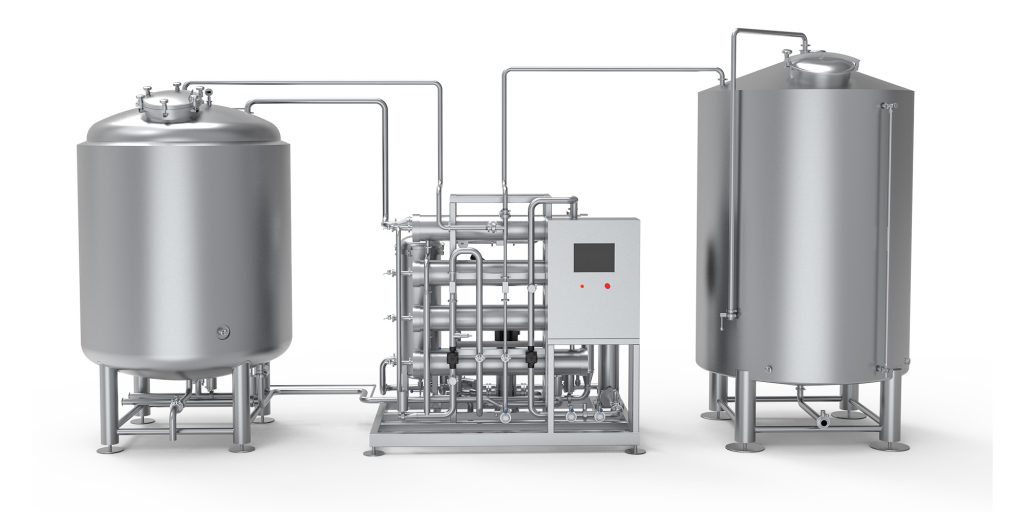
For breweries of all sizes—from global top-tier conglomerates to mid-sized craft producers—easy installation and low-maintenance equipment are vital operational priorities. SKE’s systems are engineered around this demand. All units adopt a skid-mounted design and are delivered as fully pre-assembled integrated packages.
This modular design streamlines installation and shortens project timelines. The system can be directly connected to existing brewery pipelines without large-scale construction or prolonged production downtime. Fast deployment allows breweries to launch profitable low-alcohol beer lines sooner.
Automated cleaning is another core highlight for brewery daily operations. SKE’s dealcoholization equipment comes with a built-in CIP (Cleaning-in-Place) system. The self-cleaning workflow eliminates the need for manual disassembly, cutting labor costs and saving significant production time. Two independent dedicated CIP circuits are integrated: one for membrane modules and a separate loop for the rest of the unit. This design guarantees full sanitization and extends membrane service life.
Final Takeaway for Medium & Large Breweries
For mid-sized and large brewing facilities competing alongside the world’s largest brewery groups, the market signal is unambiguous: demand for low- and zero-alcohol beer represents a massive untapped commercial opportunity, no longer confined to niche consumer segments.
Investing in modern dealcoholization equipment is not merely about expanding product portfolios—it enables breweries to match evolving consumer demand and maintain long-term market competitiveness. SKE’s RO membrane filtration systems strike a perfect balance of authentic flavor preservation, operational efficiency and user-friendly maintenance. The equipment retains beer’s original taste profile, features straightforward setup and automated cleaning, and supports flexible capacity scaling to meet any production output target.
By selecting high-performance dealcoholization systems, breweries of every scale can confidently enter the fast-growing low-alcohol beverage market and supply consumers with premium, great-tasting alcohol-reduced beer.
FAQ
1. What is the minimum ABV a dealcoholization system can achieve?
Advanced systems like SKE’s membrane filtration equipment can process beer down to below 0.5% ABV, meeting the official “non-alcoholic / alcohol-free” standard recognized in most global markets.
2. Will dealcoholization equipment alter beer’s natural taste?
RO membrane systems stand out for mild low-temperature processing without heat treatment, which effectively locks in original beer flavor and aromas. Independent testing shows SKE’s units achieve flavor loss rates below 15%.
3. Are dealcoholization systems complicated to install and clean?
No. SKE’s equipment is designed for maximum user convenience. The skid-mounted structure simplifies on-site installation, and the integrated automated CIP system turns daily sanitization into a standardized, effortless routine.
4. Can dealcoholization systems support large-volume industrial production?
Yes, the equipment boasts strong scalability. Production capacity can be upgraded by adding parallel membrane modules, making the systems suitable for mid-sized craft breweries and ultra-large production facilities operated by the world’s largest brewery groups alike.
Contact Us
If you have any further questions, feel free to reach out!
- Facebook: SKE Equipment Facebook
- Email: info@skeequipment.com
For more personalized assistance, please fill out the contact form at the bottom of this page. We look forward to helping you with your brewing needs!