
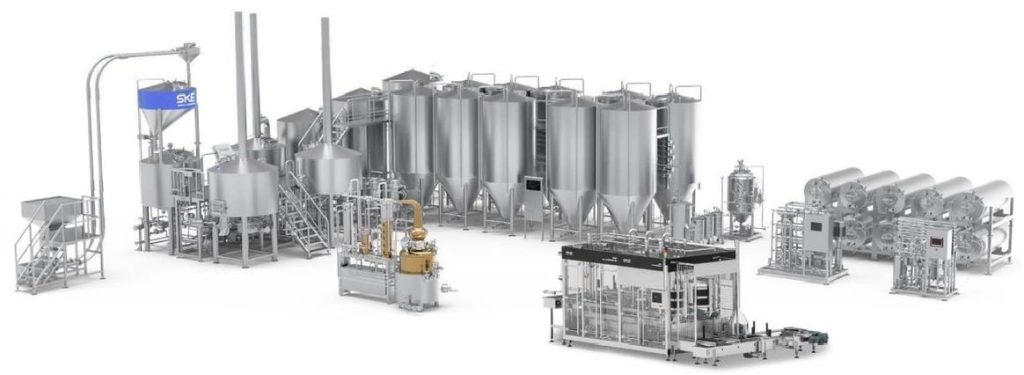
A commercial brewing system helps breweries bring multiple equipment units and supporting systems together in one coordinated project. Instead of purchasing each machine separately, brewery investors can work with one equipment supplier to plan the brewhouse, fermentation area, cooling system, cleaning equipment, and other key components.
For new breweries, this approach can simplify project coordination. For existing breweries, it can support capacity expansion, equipment replacement, and production upgrades.
However, a turnkey project does not always include every part of a brewery. The exact scope depends on the supplier, project design, and contract. Understanding the main equipment and services is essential before making an investment.
1. What Is a Commercial Brewing System?
A commercial brewing system is an integrated solution designed to support beer production, from raw material processing to finished beer handling. Its main value is coordination: one supplier plans how capacity, piping, utilities, and process steps fit together.
Depending on the project, a commercial brewing system may include:
-
Brewhouse equipment: Mash tuns, lauter tuns, brew kettles, and whirlpool tanks.
-
Fermentation equipment: Fermentation tanks and bright beer tanks.
-
Supporting systems: Glycol cooling, CIP cleaning, and brewing water treatment.
-
Packaging equipment: Kegging, bottling, or canning machines.
-
Utilities and controls: Pumps, pipes, valves, electrical controls, and process automation.
-
Engineering support: Equipment layout, installation guidance, commissioning, and operator training, where included in the contract.
A system is only as effective as its weakest part. For example, a large brewhouse cannot reach its full output if fermentation capacity or packaging speed is too low. This is why a commercial brewing system should be planned as one unit, not as a list of separate machines.

2. Choose the Right Brewhouse Configuration
The brewhouse converts malt and water into wort, which is then transferred to fermentation tanks. Its configuration affects production capacity, operating time, and the space required.
Common options include:
| Brewhouse Type | Main Features | Suitable For |
|---|---|---|
| Two-vessel | Combines process functions in fewer vessels | Limited space or simpler schedules |
| Three-vessel | Separates key stages for more flexibility | Breweries balancing output and flexibility |
| Four-vessel | Separate vessels for major brewing stages | Complex schedules and higher output |
The right configuration depends on the number of batches required each day, the beer styles produced, available space, and planned growth.
Heating method is another important consideration. Steam heating can provide even heat distribution and good temperature control, while electric heating may suit some smaller installations. The best choice depends on local energy costs, utility capacity, and operating requirements.
When comparing systems, buyers should also check product-contact materials, access to cleaning points, temperature control accuracy, and wort transfer connections.
3. Select Fermentation and Bright Beer Tanks
Fermentation tanks are essential for yeast activity, alcohol production, and beer flavor development. Bright beer tanks are commonly used for maturation, carbonation, and temporary storage before packaging.
Tank capacity should match the brewhouse output and expected fermentation time. Buyers should consider:
-
Batch volume and the number of batches produced daily.
-
Fermentation and maturation time for each beer style.
-
Required tank working volume and available headspace.
-
Pressure ratings and temperature control requirements.
-
Cleaning access, sampling points, and product transfer connections.
Some breweries use unitanks for both fermentation and conditioning. This saves floor space, but the tank design must support the required processes.
A balanced tank plan helps prevent delays. Too few fermentation tanks can leave the brewhouse waiting, while too many tanks raise the initial investment without enough extra output. In any commercial brewing system, fermentation capacity is often the first bottleneck to check.
4. Plan Supporting Systems Early
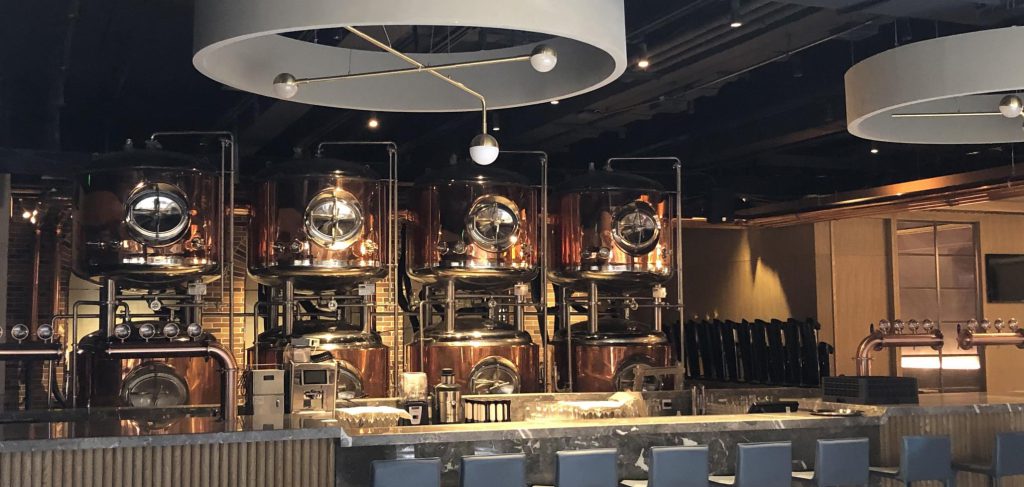
Supporting systems are often overlooked during equipment selection, yet they directly affect production stability and running costs.
Glycol cooling system
Glycol cooling removes heat during fermentation and keeps tank temperature stable. Cooling capacity should be based on tank number and size, fermentation schedules, ambient conditions, and peak demand.
CIP cleaning system
A clean-in-place (CIP) system cleans tanks and process lines without full disassembly. Depending on the design, it may include cleaning tanks, pumps, valves, spray devices, and return lines.
Buyers should confirm which vessels and pipes can be cleaned through the system, how cleaning cycles are controlled, and whether temperature, flow, and chemical concentration can be managed as required.
Brewing water treatment
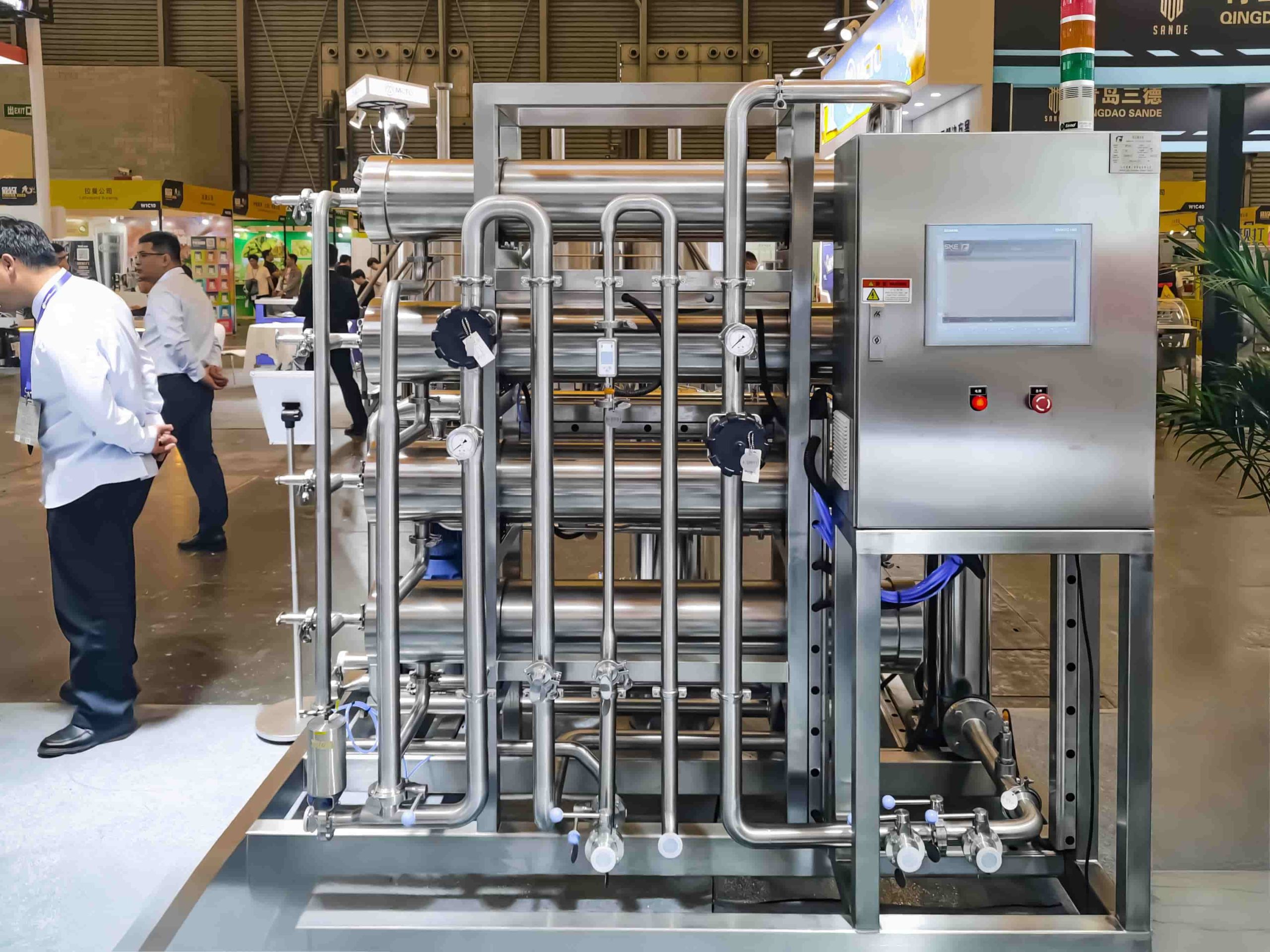
Water quality affects beer flavor, brewing performance, and equipment operation. Treatment needs depend on the source water and target beer styles. A suitable system may include filtration, softening, or other stages based on water analysis.
These supporting systems should be sized together with the main equipment. A commercial brewing system with weak cooling or poor CIP design will always struggle, even if the brewhouse itself is well built.
5. Match Packaging Capacity to Production
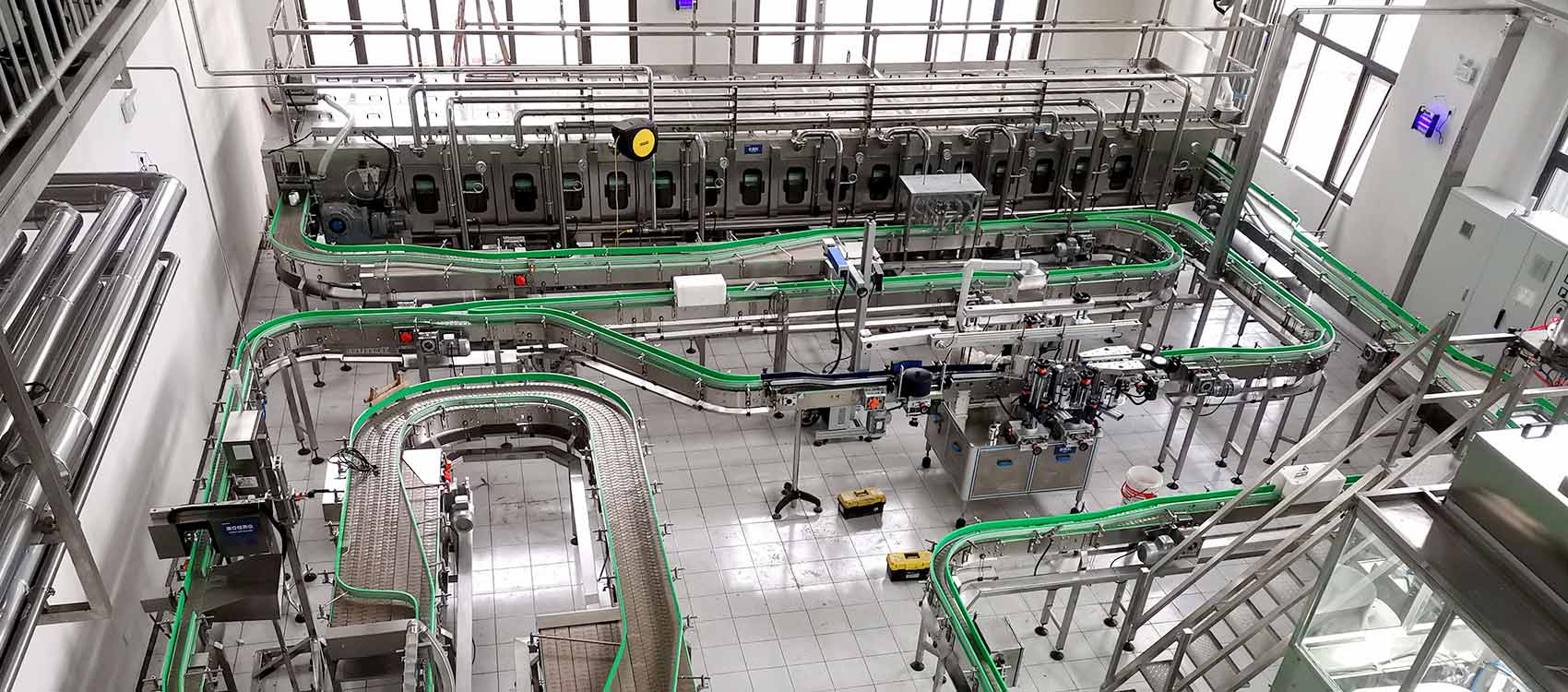
Packaging determines how efficiently finished beer reaches the market. Depending on the business model, a brewery may need kegging, bottling, canning, or a combination of these options.
Kegging suits draft beer distribution and reusable containers. Bottling may fit particular retail markets, while canning offers advantages in handling, transport, and product protection.
When selecting packaging equipment, consider:
-
Required output per hour.
-
Container types and sizes.
-
Cleaning and filling requirements.
-
Available floor space and operator access.
-
Integration with the production schedule.
Packaging capacity should match expected sales and upstream production. A fast brewhouse paired with a slow packaging line creates storage pressure. An oversized line, on the other hand, raises capital and running costs without improving real output. Packaging is a key part of any commercial brewing system and should not be planned last.
6. Check Utilities and Brewery Infrastructure
A turnkey project may require more than the brewing machines themselves. Utility requirements should be reviewed before installation.
Key items include:
-
Steam or heating: Confirm required heating capacity and available energy supply.
-
Cooling: Check electrical load, refrigeration capacity, and heat rejection.
-
Water and drainage: Ensure adequate supply, suitable water quality, and enough drainage capacity.
-
Compressed air and CO₂: Confirm pressure, flow, connection points, and intended use.
-
Electrical systems: Verify voltage, frequency, control requirements, and local standards.
-
Floor space and access: Allow room for installation, operation, maintenance, and future expansion.
Weak steam capacity can increase heating time, while poor drainage can slow cleaning. Early coordination between the equipment supplier, building contractor, and utility providers reduces installation problems and surprise costs.
7. What Should a Commercial Brewing System Include?
Before signing a contract, confirm exactly what the supplier will deliver. The word “turnkey” can describe very different project scopes, so a written list of what the commercial brewing system includes is essential.
| Equipment or Service | What to Confirm |
|---|---|
| Brewing and fermentation equipment | Tank quantities, capacities, materials, and design pressure |
| Cooling and CIP systems | Included parts, capacity, and cleaning coverage |
| Packaging equipment | Machine types, rated output, and container compatibility |
| Controls and automation | Control functions, monitoring, alarms, and operating modes |
| Installation and commissioning | On-site work, technical guidance, and acceptance criteria |
| Training and documentation | Operator training, manuals, drawings, and maintenance guidance |
Also confirm freight, customs duties, site preparation, utility connections, spare parts, warranty terms, and the delivery and commissioning schedule.
For international projects, discuss pressure-vessel, electrical, and food-contact requirements before manufacturing begins. A written scope of supply helps both sides understand their duties and reduces the risk of unexpected costs.
8. How to Choose a Brewery Equipment Manufacturer
Price matters, but it should not be the only criterion. A lower quote may exclude installation support, utilities, automation functions, or other items needed to complete the project.
When evaluating a manufacturer, consider:
-
Production planning: Can the supplier explain how equipment capacity matches your target output?
-
Technical capability: Are the process design, tank specifications, and system connections clearly documented?
-
Manufacturing quality: Ask about stainless steel grades, welding quality, surface finish, inspection, and testing.
-
Project coordination: Confirm who is responsible for design, delivery, installation guidance, and commissioning.
-
After-sales support: Check warranty coverage, spare parts availability, documents, and technical help.
-
Commercial transparency: Compare the full scope of supply, not just the headline price.
A good supplier should explain why a proposed configuration fits your production goals and which assumptions sit behind its capacity estimates.
9. Plan for Future Expansion
A commercial brewing system should meet current needs while leaving reasonable room for growth.
Before finalizing the design, consider whether the facility can accommodate more fermentation tanks, a larger cooling system, or a higher-capacity packaging line. Check whether the electrical supply, drainage, pipe routes, and floor layout can support future equipment.
Expansion planning does not mean buying every component in advance. It means finding likely limits early and avoiding design choices that make later upgrades hard. A modular commercial brewing system is easier to grow than one that is locked into a fixed layout.
Frequently Asked Questions
1.What does a commercial brewing system include?
It may include brewhouse equipment, fermentation tanks, cooling, CIP, water treatment, packaging equipment, controls, and project support. The exact scope depends on the supplier and contract.
2.How much does a turnkey commercial brewing system cost?
Cost depends on capacity, equipment configuration, automation, materials, packaging needs, and installation scope. A reliable quotation requires clear production targets and project requirements.
3.How long does installation take?
The timeline varies with system size, manufacturing lead time, shipping, site readiness, and commissioning needs. Ask for a project schedule with key milestones and responsibilities.
4.How do I choose the right commercial brewing system size?
Start with expected sales, batch volume, brewing frequency, fermentation time, and packaging needs. These factors help set brewhouse capacity and tank count.
5.Can a commercial brewing system be expanded later?
Yes, if expansion is considered during the initial design. Available space, utilities, cooling capacity, and process connections all affect how easily the brewery can grow.
6.Does a turnkey project include installation and training?
Not always. Some suppliers provide installation and commissioning, while others offer equipment plus remote or on-site guidance. Confirm the exact services in the contract.
Conclusion
A turnkey commercial brewing system can simplify brewery planning by coordinating main equipment, supporting systems, and project requirements. The best solution is not always the largest or most automated one, but the one that fits your production targets, budget, facility, and future plans.
SKE provides brewery equipment and customized brewing solutions for different production requirements. If you are planning a new brewery or expanding an existing facility, contact SKE to discuss your equipment configuration and project needs. Share your target capacity, beer styles, packaging requirements, and project location, and our team will help define a suitable system.
- Facebook: SKE Equipment Facebook
- Email: info@skeequipment.com
Fill out the contact form below for customized solutions. We fully support all your production equipment demands for breweries and beverage plants.