
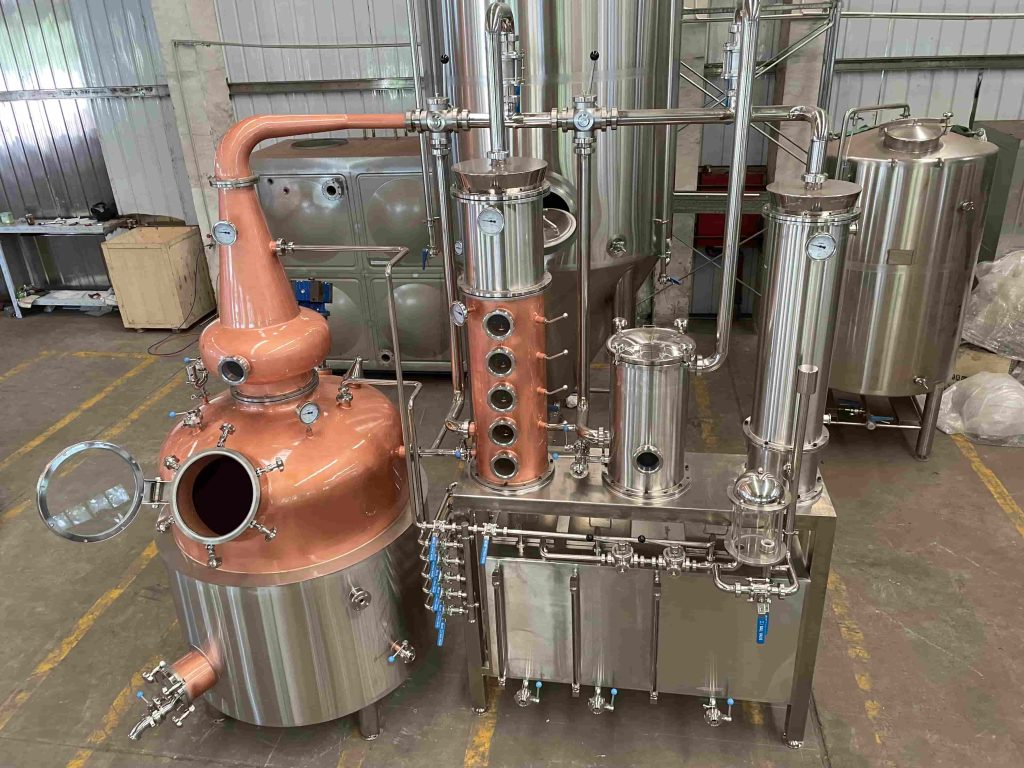
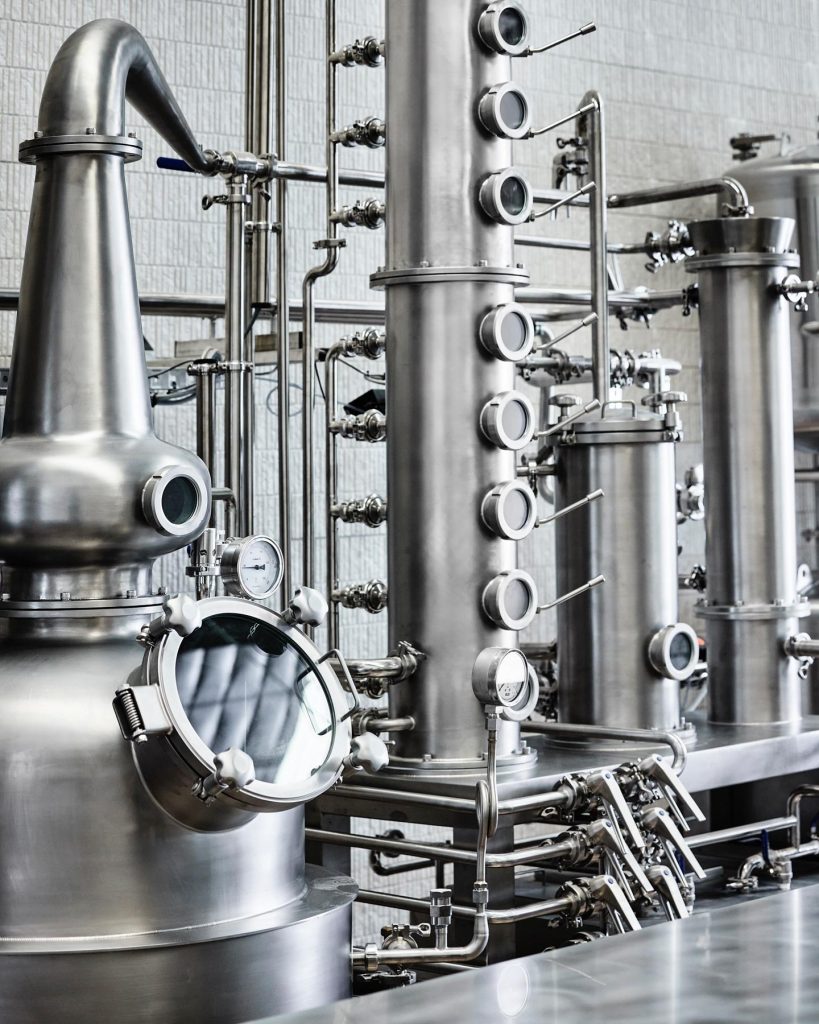
A stainless steel still can provide a durable, cleanable platform for a distillation process when its materials and construction suit the duty. It is not a universal substitute for copper equipment. The intended product, process chemistry and applicable production rules should guide material selection.
Key takeaways
- Specify materials for the feed, cleaning conditions and operating environment.
- Evaluate the complete heating and condensation system, not conductivity alone.
- Check product-category requirements before selecting a stainless steel or hybrid design.
Treat the grade as part of a material specification

Grades such as 304L and 316L are used in process equipment, but the grade name alone does not establish suitability. Describe the process liquid, cleaning chemicals, temperature and exposure conditions. Include seals and other product-contact parts in the review.
Outokumpu’s corrosion guidance explains the role of exposure conditions in corrosion performance. Stainless steel should not be described as corrosion-proof. Surface condition, fabrication and maintenance also need attention.
Ask for material documentation and the agreed fabrication and inspection requirements. These provide a clearer basis for acceptance than an unsupported promise that a still will last a fixed number of decades.
Compare stainless steel and copper at the process level
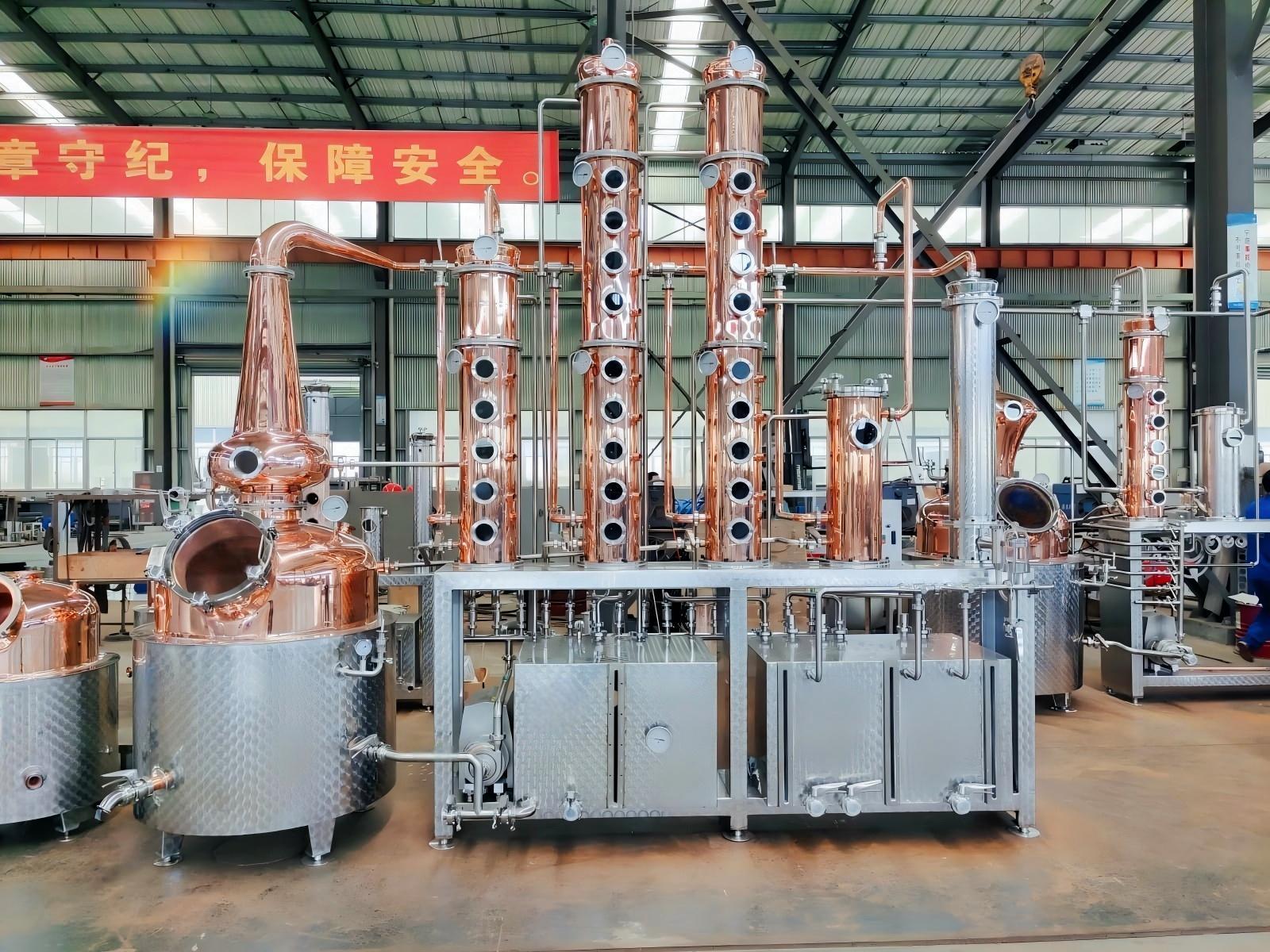
Copper contact can affect the spirit as well as the equipment design. A 2011 study in the Journal of the Institute of Brewing investigated copper in different parts of malt whisky pot stills and found reductions in sulfur compounds and sulfur-related aromas, with the results depending on where copper was present. Stainless steel does not provide an equivalent copper contact surface. These findings do not imply that one material produces the preferred flavour for every spirit; the intended sensory profile and process both matter. A hybrid arrangement also needs an engineering basis: the location and function of each material must be specified.
For a product sold as Single Malt Scotch Whisky, the production definition includes batch distillation in copper pot stills. A generic suggestion that a stainless vessel with some copper components can replace that requirement would be misleading. Other spirit categories require their own checks.
Evaluate heat transfer as a system
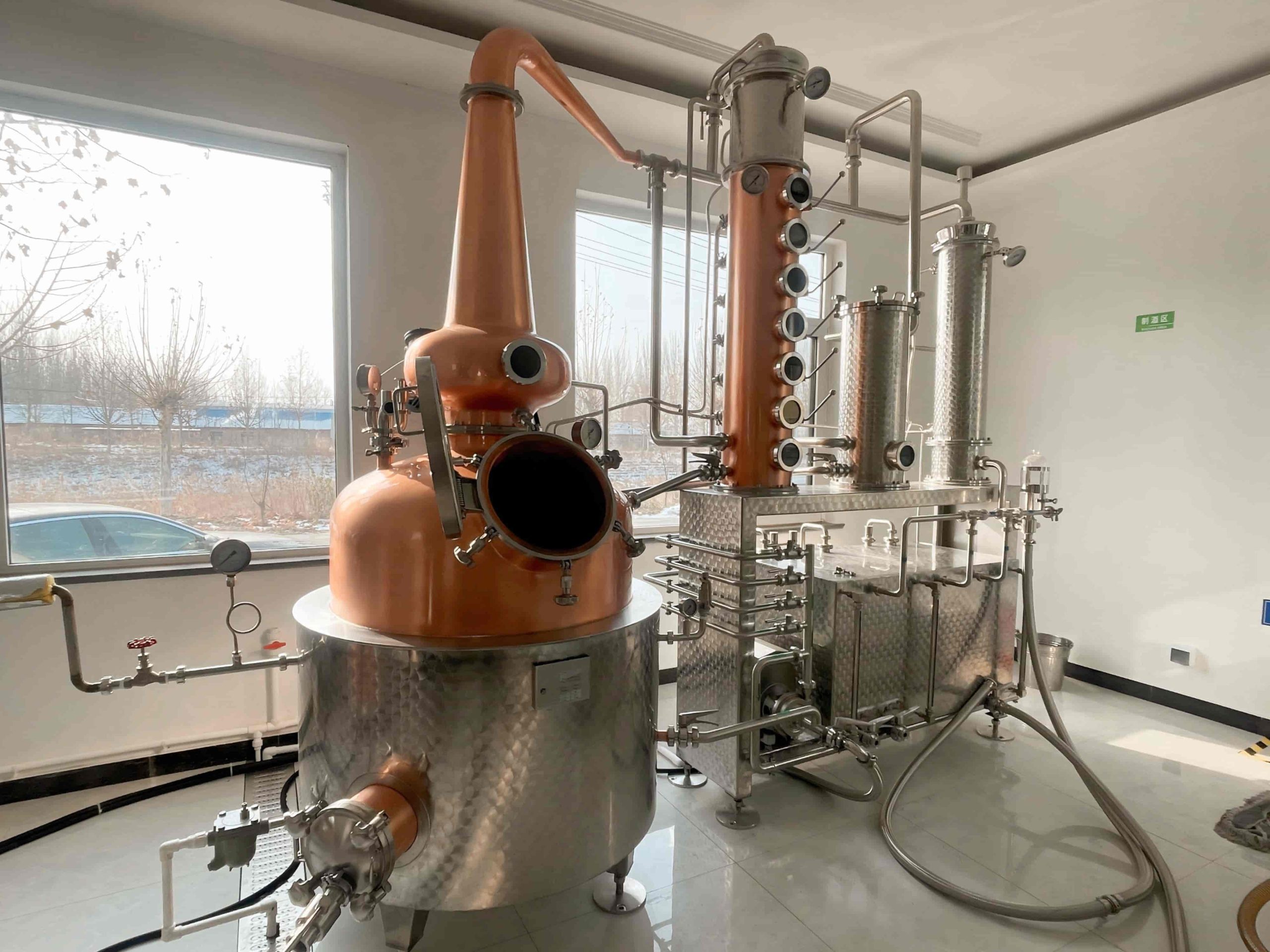
Vessel material is one factor in heat transfer. Heating method, available surface, product behaviour, insulation and utility conditions also affect performance. Ask the supplier to demonstrate the proposed heating duty for the actual feed and working volume.
The condenser must be matched to the resulting duty and the available cooling service. Comparing kettles without comparing their condensers and utilities can hide an operating bottleneck. The distilling kettle system guide covers these interfaces in more detail.
Inspect cleanability before purchase

Review product-contact welds, drainability, valve arrangements, access openings and the cleaning method. Internal components can create areas that require separate cleaning or inspection. A stainless vessel with a spray device is not automatically a fully cleanable installation.
Where the same equipment will handle different products, describe changeover and residue-control requirements. Include the proposed cleaning procedure and inspection access in the equipment review, rather than leaving them until commissioning.
Ask suppliers to document the proposed configuration
| Question | Evidence to request |
|---|---|
| Which surfaces contact product or vapour? | Material schedule and drawings |
| What operating conditions are permitted? | Design documentation and operating instructions |
| How will cleaning be performed? | Cleaning arrangement and access details |
| How is the thermal duty established? | Stated feed and utility assumptions |
| What is included in the package? | Equipment list and interface responsibilities |
Review the distillation equipment scope against these requirements. Where a brewery is adding a distillery, use a project responsibility matrix to separate reusable services from equipment needing a new suitability assessment.
About this article: Prepared for the SKE Equipment blog with AI-assisted research and editing. Original byline: Mandy, equipment marketing specialist. The linked references support the technical background; this article does not report an SKE equipment trial or a project-specific engineering review.