
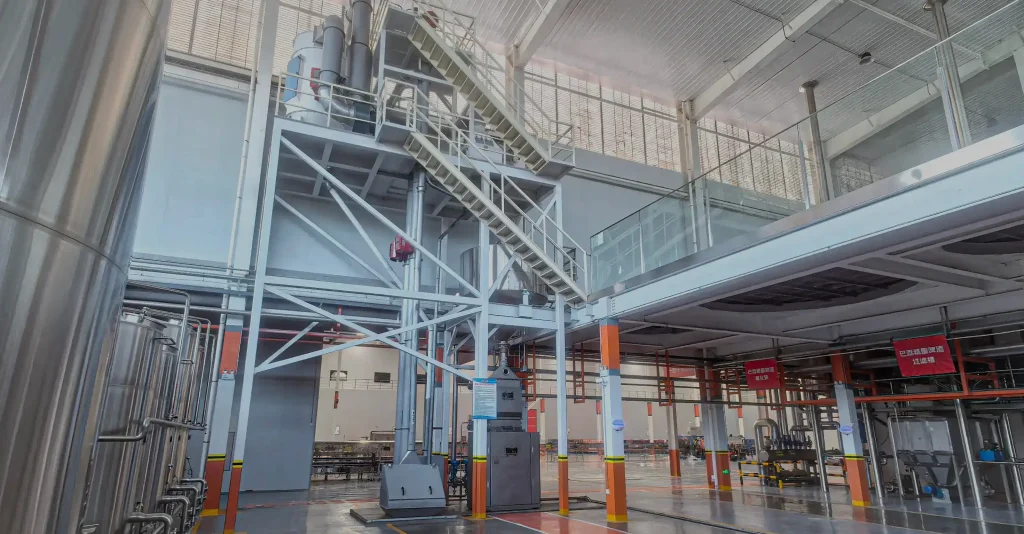
Malt is the foundation of every beer. Yet many breweries treat brewing malt storage as a simple warehouse task. Bags are stacked in a corner, and storage conditions get little attention until production grows.
This approach may work for a small brewery, but it becomes less efficient as production increases. Poor brewing malt storage can lead to moisture problems, grain deterioration, higher labor costs, and inconsistent brewing performance.
A well-designed brewing malt storage system protects raw materials, improves handling efficiency, and supports stable production. For growing breweries, a malt silo also reduces manual work and makes better use of space.
This guide explains how to store brewing malt properly, when a malt silo makes sense, and what to consider when choosing a complete malt handling system.
Why Proper Brewing Malt Storage Matters
Finished brewing malt usually has a moisture content of around 3.5% to 5%. At this level, malt can remain stable for a long period when stored under suitable conditions.
However, malt is hygroscopic, which means it absorbs moisture from the surrounding air. If brewing malt storage conditions are poor, excess moisture can increase the risk of mold growth, unwanted odors, and grain deterioration.
Moisture also affects milling. Malt that absorbs too much water becomes softer and produces a less consistent crush. The husks may not break cleanly, which can affect lautering and wort separation.
Temperature and ventilation are also important. High temperatures and humid conditions accelerate quality loss and increase the risk of insect activity.
Breweries should therefore pay attention to three basic storage conditions:
-
Moisture control: Keep malt dry and protect it from rain, leaks, and humid air.
-
Temperature management: Avoid excessive heat and large temperature changes that cause condensation.
-
Clean storage conditions: Keep storage areas free from pests, dust, and foreign materials.
Proper storage protects malt quality before it reaches milling and mashing. In short, good brewing malt storage is the first step toward consistent beer.
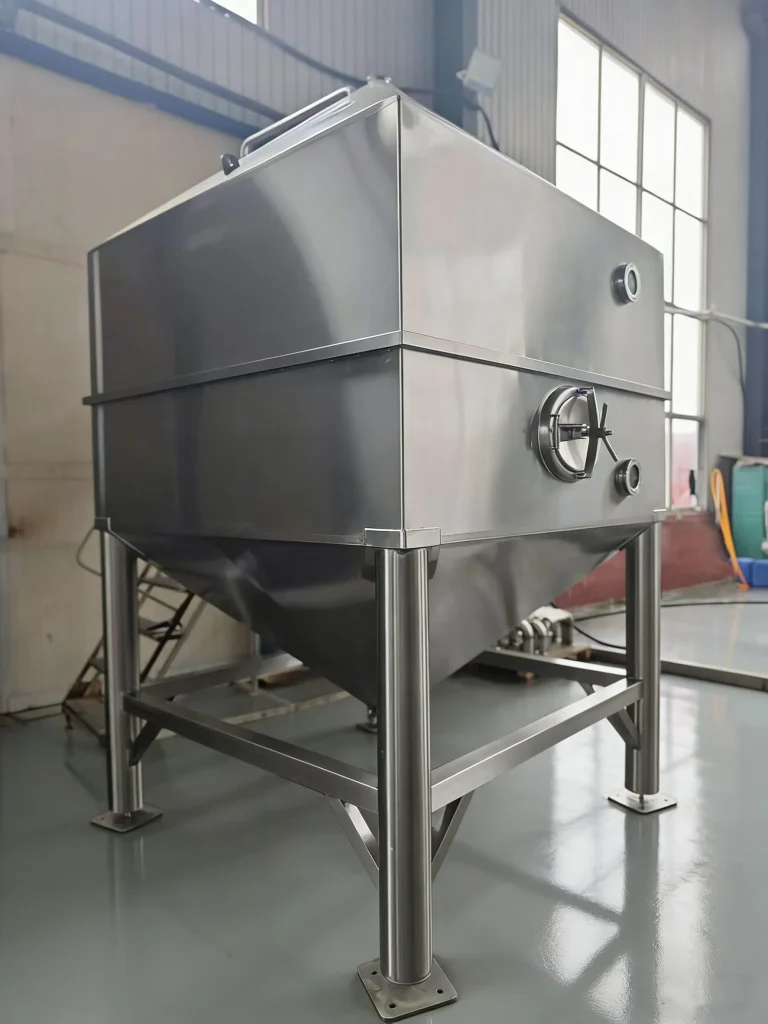
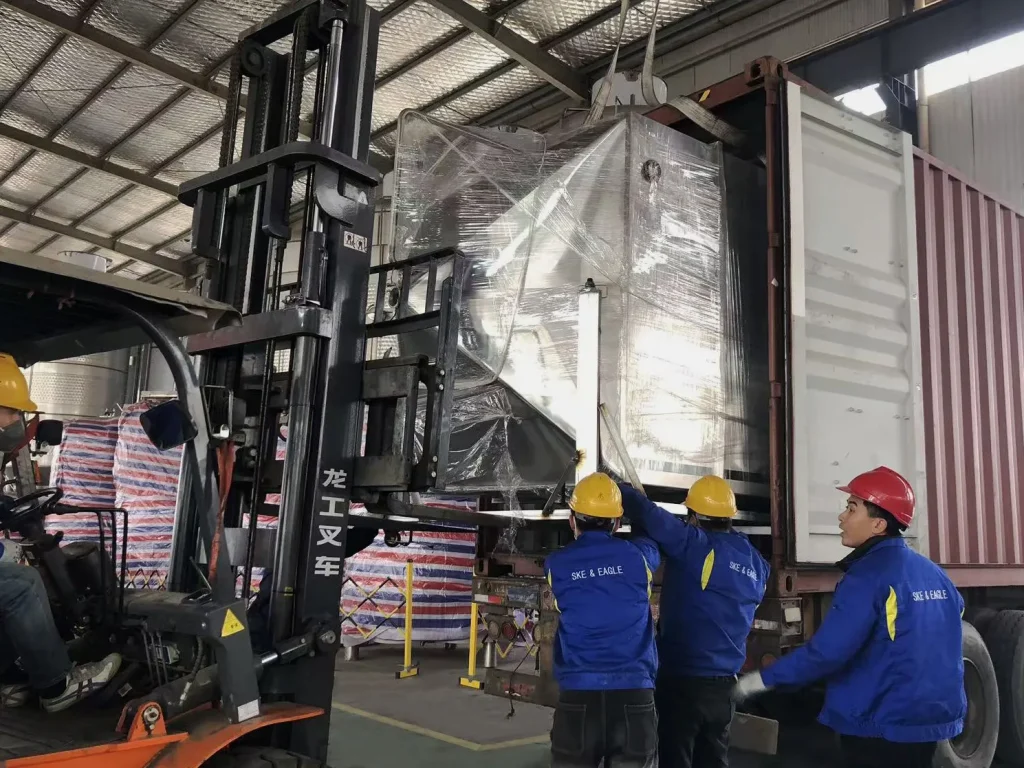
How Long Can Brewing Malt Be Stored?
Malt storage life depends on type, moisture content, packaging, and storage environment. No single storage period applies to every malt product.
Base malts, such as Pale Ale and Pilsner malt, are generally suitable for longer storage when kept dry and protected. Specialty malts need more attention because their flavor and aroma change over time.
Roasted and caramel malts contain different flavor compounds. Brewers should follow the supplier’s recommendations rather than assume all specialty malts have the same shelf life.
| Malt Type | Storage Considerations | Main Quality Concern |
|---|---|---|
| Base malt (Pale, Pilsner) | Suitable for planned bulk storage | Moisture pickup and grain deterioration |
| Caramel / Crystal malt | Protect from moisture and strong odors | Changes in aroma and flavor |
| Dark roasted malt | Keep sealed and store under stable conditions | Loss of fresh roasted aroma |
Good inventory management is just as important as storage capacity. A first-in, first-out (FIFO) system helps breweries use older stock first. Regular checks of delivery dates, moisture conditions, and grain quality also prevent long-term problems.
For breweries using several malt varieties, separate storage areas or dedicated containers help prevent mixing and cross-contamination. These simple habits make brewing malt storage far more reliable.
Bags vs. Bulk Malt Storage: Which Is Better?
For small breweries, 25 kg bags are often practical. They are easy to buy in small quantities and need no dedicated silo or conveying system.
However, bag handling becomes harder as production grows. Each bag must be moved, lifted, opened, and emptied. These tasks require labor and increase the risk of back injuries and spills. Empty packaging also creates waste and takes up warehouse space.
Bulk brewing malt storage offers a different approach. Instead of receiving many individual bags, breweries receive malt in bulk trucks and transfer it directly into storage silos. The malt then moves through a conveying system to weighing and milling.
The main advantages include:
-
Lower manual labor: Automated transfer reduces repeated lifting and bag opening.
-
Better space utilization: Vertical silos reduce the floor area needed for raw materials.
-
Cleaner handling: Enclosed conveying systems reduce dust and spills.
-
More efficient production: Automated transfer supports a continuous supply of malt to milling.
-
Better inventory control: Bulk storage makes it easier to monitor incoming materials and stock levels.
However, bulk brewing malt storage also requires investment in silos, conveying equipment, dust collection, and suitable delivery access. The best solution depends on annual malt consumption, delivery frequency, available space, and future production plans.
Key Components of an Automated Malt Handling System
A complete brewing malt storage setup is more than a single vessel. A malt silo is only one part. Several pieces of equipment must work together to move malt efficiently from delivery to the brewhouse.
| Equipment | Main Function |
|---|---|
| Malt Silo | Stores bulk brewing malt |
| Dust Collector | Collects airborne dust during filling and conveying |
| Screw Conveyor | Moves malt horizontally or at a suitable incline |
| Bucket Elevator | Transfers malt to higher storage or processing points |
| Malt Weighing System | Measures malt quantities for each recipe |
| Malt Mill | Crushes malt before mashing |
The system normally starts with bulk malt delivery. A pneumatic or mechanical transfer arrangement moves malt into the silo, while a dust collection system controls displaced air and particles.
When brewing begins, malt is discharged from the silo and moved through conveyors or elevators. A weighing system measures the required quantity before the malt reaches the mill. The crushed malt then goes to the mash tun or mash mixer.
Layout matters. Poorly planned conveying routes create unnecessary transfer points, increase maintenance, and cause grain damage. A well-designed system minimizes unnecessary drops and mechanical handling while providing convenient access for inspection and cleaning.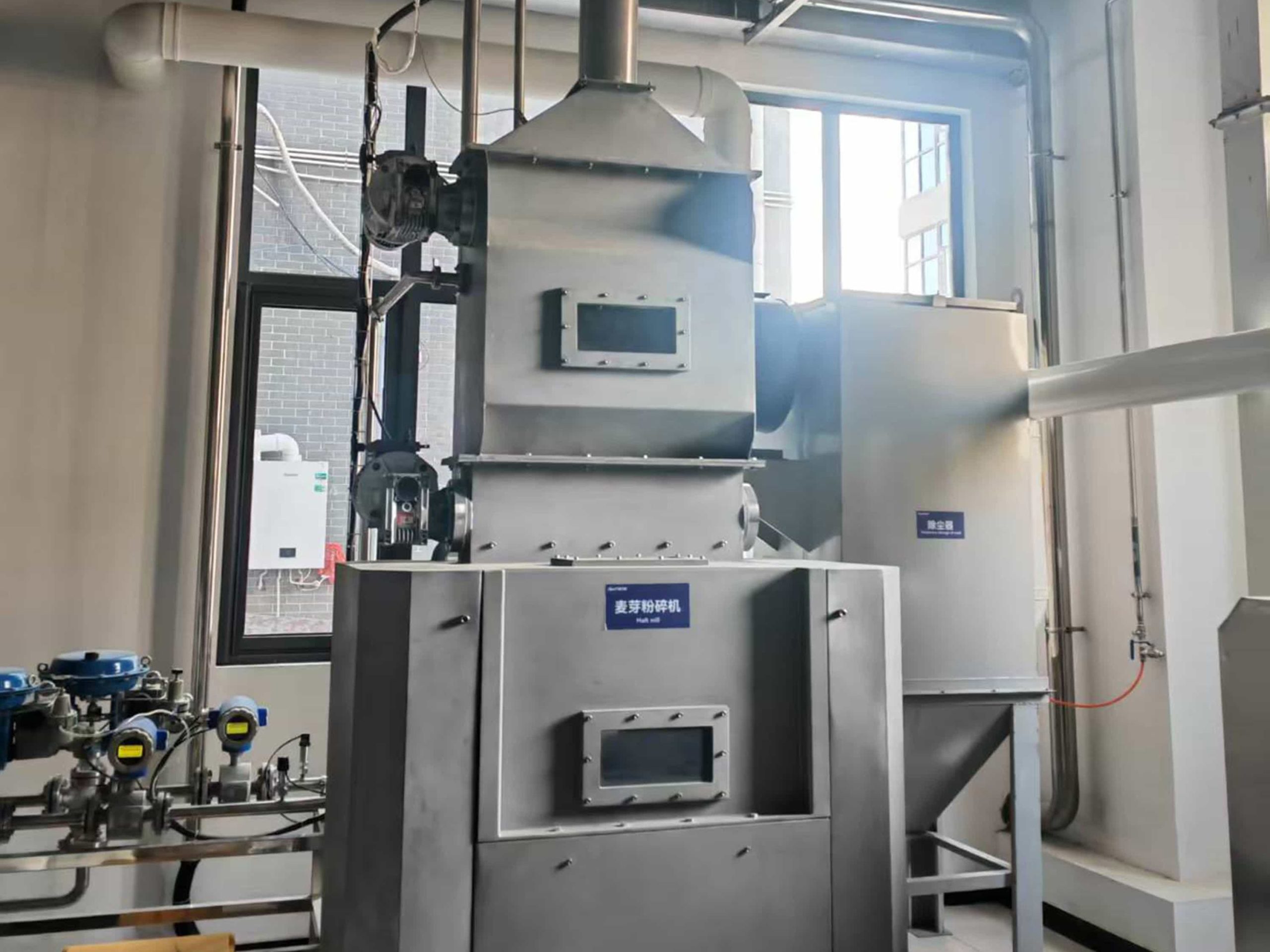
What to Look for in a Malt Silo Design
Good brewing malt storage depends heavily on silo design. Not all malt silos are built for the same conditions. When selecting a silo, consider material quality, internal structure, discharge performance, and maintenance requirements.
1. Suitable Construction Materials
The silo must protect malt from moisture and external contamination. Common options include properly protected carbon steel and stainless steel. The choice depends on project requirements, environmental conditions, and food-contact considerations.
Internal surfaces should be smooth, durable, and suitable for food contact. Poor surface finishing, damaged coatings, and rough welds create areas where dust and grain residues accumulate.
2. Hopper Angle and Discharge Design
Malt must flow reliably from the silo to the conveying system. If the hopper angle is too shallow or the outlet is poorly designed, malt may form bridges or leave stagnant areas inside the silo.
The required hopper angle and discharge opening depend on the malt’s flow characteristics, particle size, moisture condition, and silo geometry. Flow aids or suitable discharge devices may also be needed.
3. Dust Collection and Ventilation
During bulk filling, air is displaced from the silo. This air may carry fine malt dust into the workspace. A suitable dust collection system controls airborne particles and keeps the working environment cleaner.
Filter systems should be easy to inspect and maintain. Their design should also consider the air displaced during filling and the operating requirements of the delivery system.
4. Capacity and Inventory Monitoring
Silo capacity should match malt consumption and delivery schedule. Proper design considers bulk density, usable storage volume, filling allowance, and required stock level.
Level sensors help operators monitor stored malt and plan deliveries, reducing the risk of shortages or overstocking.
5. Cleaning and Maintenance Access
Even with good design, dust and grain residues accumulate over time. The silo should provide suitable inspection and maintenance arrangements. Where possible, routine inspection and cleaning should be done without personnel entering the silo.
Cleaning schedules should be based on operating conditions, inspection results, and manufacturer recommendations.
Malt Silo Safety: What Breweries Should Know
Safety is an important part of any brewing malt storage project. Dry malt dust can form combustible dust clouds under certain conditions. If enough dust is suspended in air and meets an ignition source, a dust fire or explosion may occur.
Breweries should consider dust hazards during silo filling, conveying, screening, and milling. Important safety measures include:
-
Install suitable dust collection equipment at material transfer points.
-
Keep floors, equipment surfaces, and surrounding areas free from excessive dust.
-
Use suitable electrical equipment and control potential ignition sources.
-
Assess whether explosion protection, venting, isolation, or suppression is required.
-
Follow applicable local regulations and engineering standards.
Silo entry is another serious hazard. Malt can bridge inside a silo and suddenly collapse, creating an engulfment risk. A person entering may become trapped or suffocate.
Silo entry should only take place under a formal confined-space safety procedure, with proper isolation, atmospheric testing, training, supervision, and emergency arrangements. Good silo design allows most routine inspection and maintenance to be completed from outside the vessel.
How SKE Supports Brewery Malt Storage and Handling
For breweries planning a new facility or upgrading an existing line, brewing malt storage should be considered as part of the overall brewhouse layout.
SKE focuses on brewery equipment and integrated brewing solutions. A well-planned brewing malt storage and handling arrangement connects raw material storage with conveying, weighing, milling, and downstream brewing.
When planning a malt storage project, consider these factors together:
-
Expected daily and annual malt consumption.
-
Number and capacity of storage silos.
-
Bulk delivery requirements and installation conditions.
-
Conveying routes and equipment arrangement.
-
Dust collection and operational safety.
-
Connection with malt milling and brewhouse systems.
This approach avoids unnecessary equipment changes and improves coordination between production stages. Whether a brewery needs a new brewing malt storage arrangement or an upgrade to its existing handling process, proper planning improves efficiency and supports future growth.

Frequently Asked Questions
1. How do I know if my malt has absorbed too much moisture?
Changes in milling behavior may indicate a moisture problem. Malt may become softer and produce an inconsistent crush. If you suspect moisture pickup, use a moisture meter and compare results with the supplier specification.
2. Can I store different types of malt in the same silo?
It is possible, but not always recommended. Different varieties may have different handling and storage requirements. Dedicated silos are preferable for frequently used base malts. If one silo is used for different products, it should be emptied and cleaned between batches to prevent mixing.
3. Does every brewery need a malt silo for brewing malt storage?
No. Small breweries with low malt consumption may find bag or big-bag handling more economical. A silo becomes more attractive when bulk delivery, labor savings, and production volume justify the investment.
4. What is the difference between a malt silo and a spent grain silo?
A malt silo stores dry grain before brewing. A spent grain silo stores wet grain after mashing and lautering. Spent grain has much higher moisture and different handling needs, so its vessel and discharge system must be designed for a different material.
5. How often should a malt silo be inspected and cleaned?
Frequency depends on operating conditions, malt turnover, and equipment design. Breweries should set a maintenance schedule based on supplier recommendations and regular inspections. Complete emptying may be needed for internal inspection, but entry must follow confined-space safety procedures.
6. What factors determine the right capacity for brewing malt storage?
Main factors are daily malt consumption, delivery frequency, bulk truck capacity, malt bulk density, available space, and desired stock turnover. The silo should provide enough working capacity without encouraging excessive storage periods.
7. Can a malt handling system be automated?
Yes. A suitable system can integrate silo discharge, conveying, weighing, and milling. Automation reduces manual handling and delivers consistent malt quantities to the brewhouse. The level of automation depends on capacity, process requirements, and investment plans.
Contact Us
If you have any further questions, feel free to reach out!
- Facebook: SKE Equipment Facebook
- Email: info@skeequipment.com
Fill out the contact form below for customized solutions. We fully support all your production equipment demands for breweries and beverage plants.