
By the SKE Process Engineering Team — SKE designs and manufactures membrane dealcoholization systems, flash pasteurizers, and complete alcohol-free beer production lines for breweries and beverage producers worldwide.
Key Takeaways
- Breweries remove alcohol using two main methods: vacuum distillation (heat-based, high capacity) and membrane filtration (low-temperature, better flavor retention).
- Membrane systems can reduce beer to below 0.5% ABV, the threshold the U.S. TTB defines as “non-alcoholic” for malt beverage labeling.
- Because alcohol no longer suppresses microbial growth after dealcoholization, flash (HTST) pasteurization is typically needed to keep the beer microbiologically stable.
Introduction: The Growing Demand for Alcohol-Free Beer
The global beer market is changing. More consumers are choosing low-alcohol and alcohol-free beers. They want healthier options, but they still enjoy the taste and social experience of beer.
This trend gives breweries new opportunities. However, making good alcohol-free beer is not easy. The biggest challenge is removing alcohol while keeping the beer’s original flavor, aroma, and body.
Modern dealcoholization technology helps breweries solve this problem. Advanced systems can reduce alcohol levels while protecting important flavor compounds. Today, the two main technologies for alcohol removal are vacuum distillation and membrane filtration. Each method has different advantages, depending on brewery size, product goals, and investment plans.
How Does the Beer Dealcoholization Process Work?
The goal is to remove alcohol while keeping the beer’s original character. This requires special processing after fermentation. The two main technologies, vacuum distillation and membrane filtration, separate alcohol from beer in different ways.
Vacuum Distillation
Vacuum distillation is common in large-scale beer production. This method lowers the pressure inside the system. Because of the lower pressure, alcohol evaporates at a lower temperature, so less heat is needed compared to traditional boiling.
The alcohol vapor is separated and collected while the remaining beer continues through processing. Vacuum distillation offers high production capacity, efficient alcohol removal to very low levels, and continuous operation for large volumes. However, heating can still affect some delicate aromas, so for specialty beers, breweries may prefer a gentler technology.
Membrane Filtration: A Gentle Technology
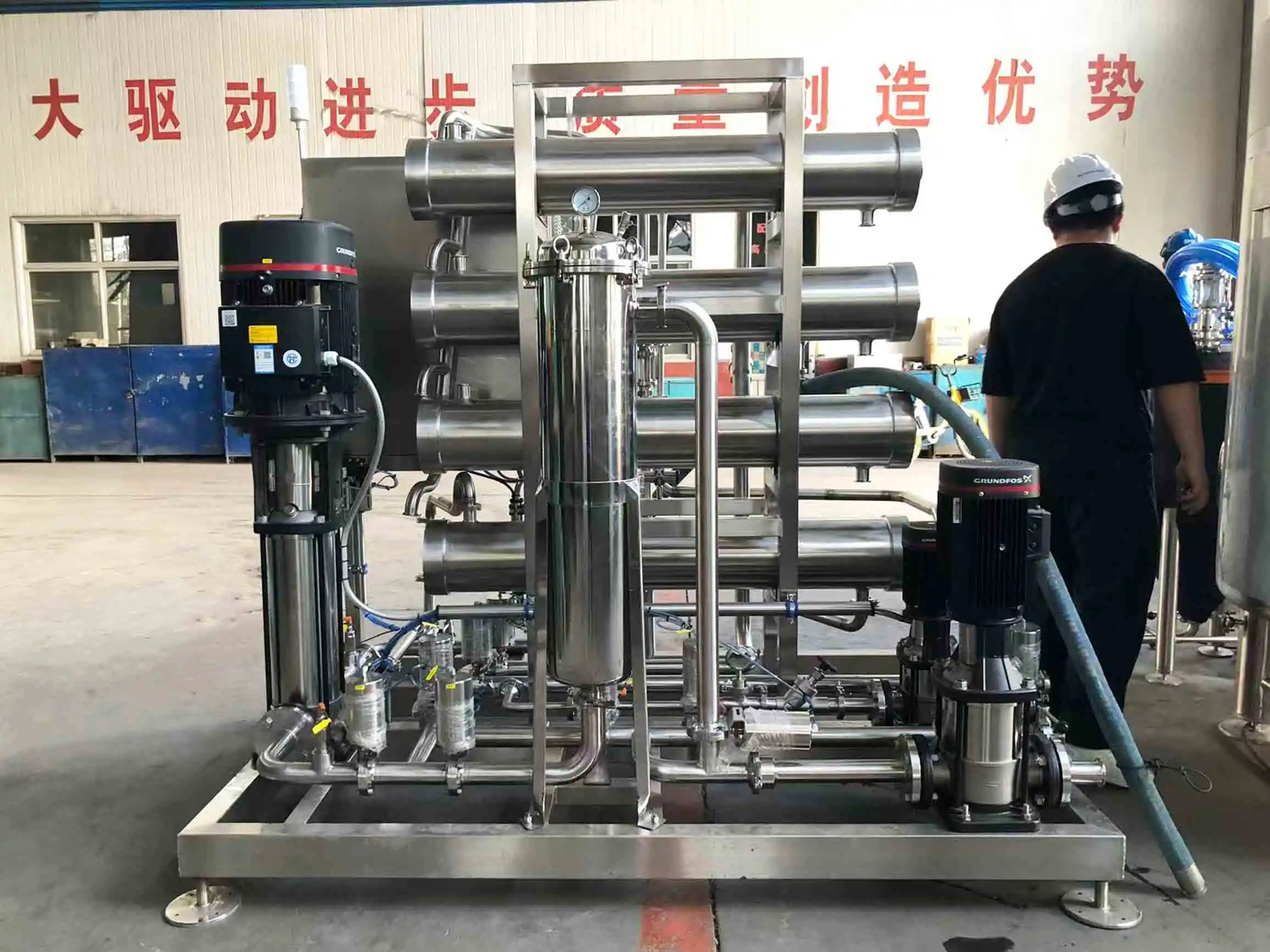
Membrane filtration is one of the most popular technologies for making premium alcohol-free beer, especially for craft and specialty beers. The process uses special membranes to separate alcohol and water from the larger molecules that give beer its flavor, color, and body.
Unlike heat-based methods, membrane filtration works at low temperatures, which helps protect delicate aromas and reduces flavor changes. A 2025 academic review of reverse osmosis and nanofiltration in the beer and wine industry found that membrane processes can reduce a beer’s alcohol content from roughly 4.7–5.0% ABV down to below 0.5% ABV while retaining more of the original flavor profile than thermal methods (Applications of Reverse Osmosis and Nanofiltration Membrane Process in Wine and Beer Industry, Membranes journal, 2025). A separate peer-reviewed sensory study reached a similar conclusion when comparing dealcoholized beer styles (Assessing the sensory and physicochemical impact of reverse osmosis membrane technology to dealcoholize two different beer styles, PMC, 2021).
The main benefits of membrane filtration include low-temperature operation that protects beer aroma, no heating required which reduces energy use, flexible capacity for easy expansion, and better flavor retention that keeps the original beer character.

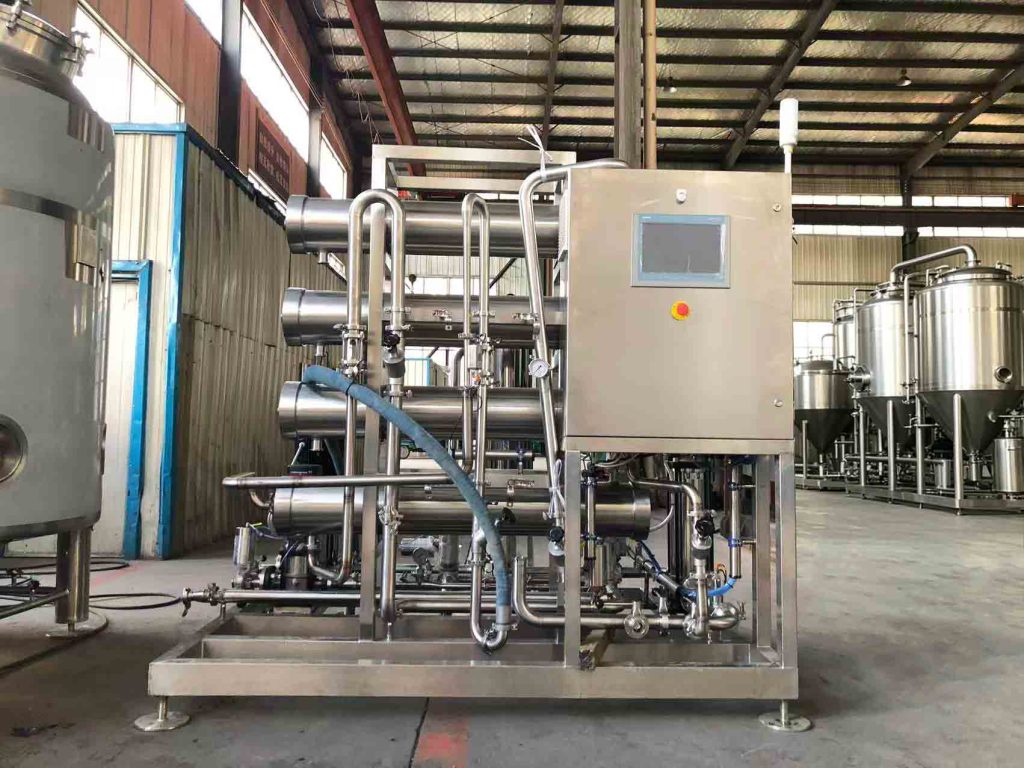
SKE Membrane De-alcoholizer: A Smart Solution
SKE provides membrane dealcoholization solutions for breweries and beverage producers. Its equipment is designed to give small and mid-size breweries the same alcohol-removal capability that larger producers use for their alcohol-free product lines.
Key Features of SKE Equipment
1. Modular and Flexible Design
The SKE system has a skid-mounted design that makes installation easier. Breweries can start with the capacity they need and add more membrane modules later as demand grows, which helps control investment costs while preparing for future growth.
2. Flavor Protection
Flavor preservation is one of the biggest challenges in dealcoholization. The SKE membrane system operates at low temperatures to reduce damage to aroma compounds, targeting alcohol levels below 0.5% ABV with lower flavor and aroma loss than traditional heating methods, consistent with the membrane-versus-thermal comparisons reported in the academic sources above.
3. Energy-Efficient Operation
Unlike heat-based technologies, membrane filtration does not need extra heating to remove alcohol, which reduces energy consumption and helps breweries lower operating costs.
4. Easy Cleaning and Maintenance
The SKE de-alcoholizer includes an integrated CIP (Clean-In-Place) cleaning system, which simplifies daily operation, improves hygiene, and reduces maintenance needs. For a closer look at how these systems keep brewery equipment sanitary, see our CIP machine guide.
Flash Pasteurization Systems for Alcohol-Free Beer
After dealcoholization, beer becomes more sensitive to microbes. Alcohol naturally helps protect beer by limiting the growth of some microorganisms, so when alcohol is reduced, breweries need another method to ensure product stability. This is why flash pasteurization systems are an important part of alcohol-free beer production.
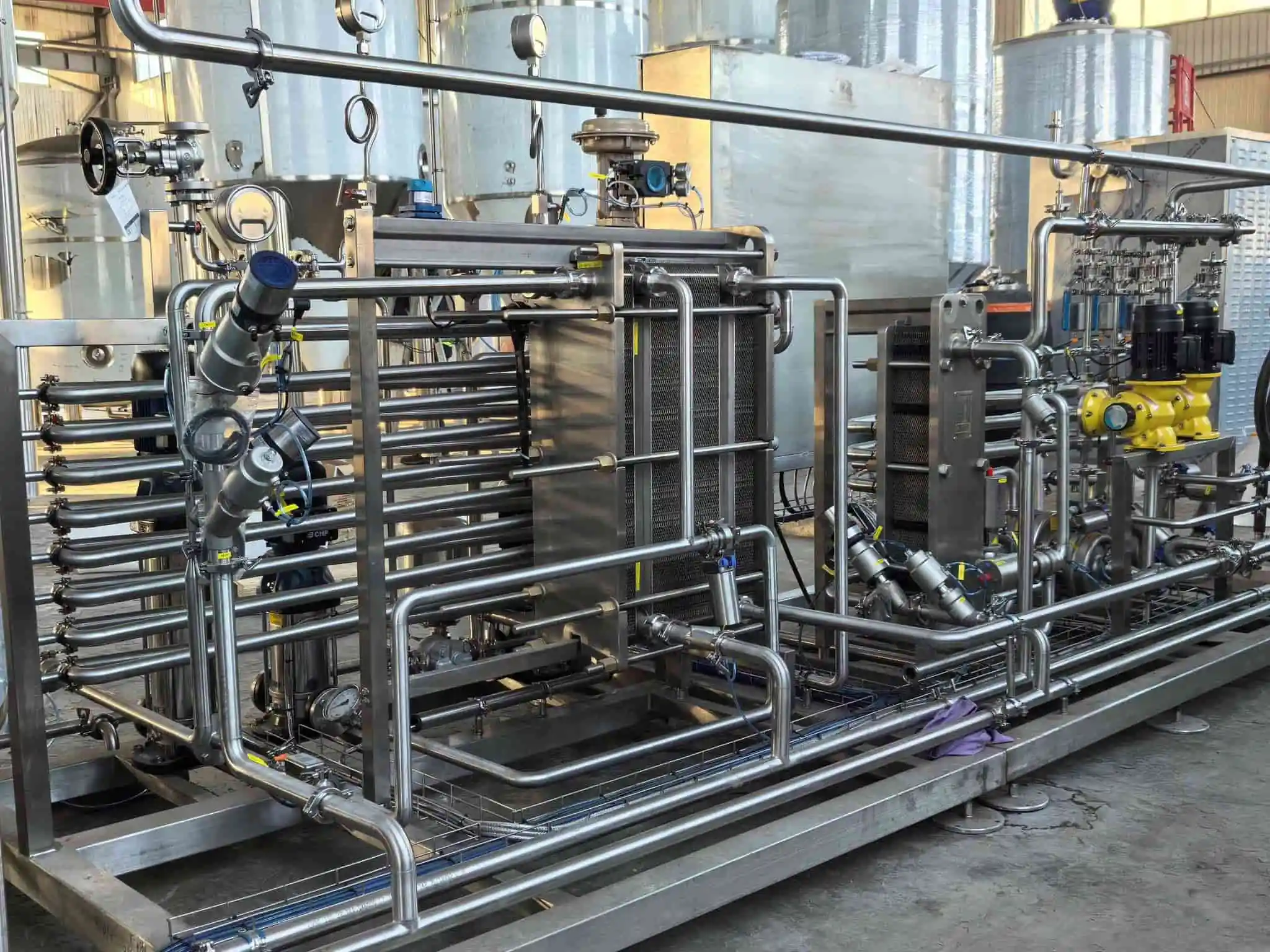
Flash pasteurizers, also known as HTST (High-Temperature Short-Time) systems, use controlled heat treatment to improve microbiological stability without damaging beer quality. A peer-reviewed review of beer pasteurization methods describes flash pasteurization as heating beer briefly to a target temperature, holding it for a short period, then rapidly cooling it, which limits the total heat exposure compared with tunnel pasteurization after packaging (Flash Pasteurization of Beer – A Critical Review, BrewingScience journal). The goal is not to sterilize the beer, but to reduce unwanted microorganisms, such as wild yeast and bacteria, that can affect shelf life and safety.
For breweries using SKE membrane de-alcoholizers, adding a flash pasteurization system is a natural next step. Together, the two systems form a complete, reliable production line for high-quality alcohol-free beer.

How Does the Flash Pasteurization Process Work?
The process depends on accurate control of temperature and time. Beer is quickly heated to a specific temperature and held there for a short period, then rapidly cooled before packaging. A typical process includes five main steps: preheating with recovered heat to save energy, heating to the target temperature, holding for microbial control, rapid cooling to protect flavor, and packaging the stable beer into bottles, cans, or kegs.
Why Is Flash Pasteurization Important for Alcohol-Free Beer?
Alcohol-free beer needs stronger microbial protection because the absence of alcohol creates a more favorable environment for spoilage organisms. Without proper treatment, breweries may face shorter shelf life, flavor changes, and quality problems. Compared with tunnel pasteurization, flash pasteurization treats beer before packaging, uses a shorter heating time, and generally offers better flavor protection and higher energy efficiency, which makes it a common choice for modern breweries producing alcohol-free beer.
Comparison of Dealcoholization Technologies
Choosing the right technology depends on production scale, product type, and quality requirements. Here is a comparison of the two main technologies:
| Feature | Vacuum Distillation | SKE Membrane Filtration |
|---|---|---|
| Working principle | Removes alcohol through low-pressure evaporation | Separates alcohol through membrane technology |
| Temperature | Requires controlled heating | Low-temperature operation |
| Flavor protection | Good, but heat may affect aromas | Better retention reported in membrane-vs-thermal studies |
| Energy consumption | Higher | Lower |
| Installation | Larger footprint | Compact skid-mounted design |
| Scalability | Suitable for very large production | Flexible expansion |
| Maintenance | More complex | Simpler with integrated CIP |
For breweries that focus on premium flavor and production flexibility, membrane filtration provides an effective solution for dealcoholization.
Flash Pasteurization vs. Tunnel Pasteurization
When choosing a pasteurization method for alcohol-free beer, breweries often compare flash pasteurization with tunnel pasteurization:
| Feature | Flash Pasteurization | Tunnel Pasteurization |
|---|---|---|
| Treatment stage | Before packaging | After packaging |
| Heating time | Short | Long |
| Flavor protection | Better | More heat exposure |
| Energy efficiency | Higher | Lower |
| Suitable for | Modern breweries | Traditional packaged beer |
For most medium and large breweries producing alcohol-free beer, flash pasteurization is generally the better choice because it offers better quality control and energy savings.
Why Are Breweries Investing in This Technology?
The market for alcohol-free beer is growing quickly as consumers look for beverage choices that fit active and health-conscious lifestyles. Producers are responding by expanding their alcohol-free product lines, but consumer expectations have changed: people don’t just want a beer with less alcohol, they want a product that still delivers the original beer experience.
This has increased demand for advanced dealcoholization equipment. Modern systems help breweries build new low-alcohol product lines, maintain original flavor quality, reduce energy consumption, and respond to changing consumer preferences. For breweries planning long-term growth, investing in reliable alcohol removal technology can open up new business opportunities.
SKE: Your Partner for Alcohol-Free Beer Equipment
SKE’s solutions include membrane de-alcoholizers, flash pasteurization systems, fermentation tanks, brewhouse systems, and complete turnkey brewery solutions. The SKE membrane de-alcoholizer uses spiral membrane technology to remove alcohol under gentle operating conditions, helping breweries produce alcohol-free beer while maintaining flavor, aroma, and consistency.
SKE also provides customized solutions based on production capacity, beer style requirements, factory layout, energy goals, and future expansion plans. With SKE’s modular skid-mounted design, you are not forced to make a large upfront investment. You can scale dealcoholization capacity step by step as your market grows. From individual equipment to complete brewery projects, SKE supports customers with engineering experience and professional service.
FAQ
1. What is the beer dealcoholizing process?
It removes alcohol from finished beer while keeping its original flavor, aroma, and body. Common technologies include vacuum distillation and membrane filtration.
2. What equipment is needed for alcohol-free beer?
A commercial production line usually needs fermentation equipment, dealcoholization equipment, a flash pasteurization system, and packaging solutions.
3. Why is membrane filtration used?
Membrane filtration works at low temperatures, which helps protect delicate flavors and aromas during dealcoholization. It also offers flexible capacity for growing breweries.
4. Why is flash pasteurization important after dealcoholization?
Once alcohol is removed, beer loses one of its natural defenses against spoilage organisms. Flash pasteurization helps improve product stability and extend shelf life by reducing harmful microbes.
5. What ABV counts as “non-alcoholic” beer in the U.S.?
Under TTB labeling rules, a malt beverage labeled “non-alcoholic” must contain less than 0.5% alcohol by volume; a beverage labeled “alcohol free” must contain no alcohol at all.
Contact Us
If you have any further questions, feel free to reach out!
- Facebook: SKE Equipment Facebook
- Email: info@skeequipment.com
Fill out the contact form below for customized solutions. We fully support all your production equipment demands for breweries and beverage plants.