
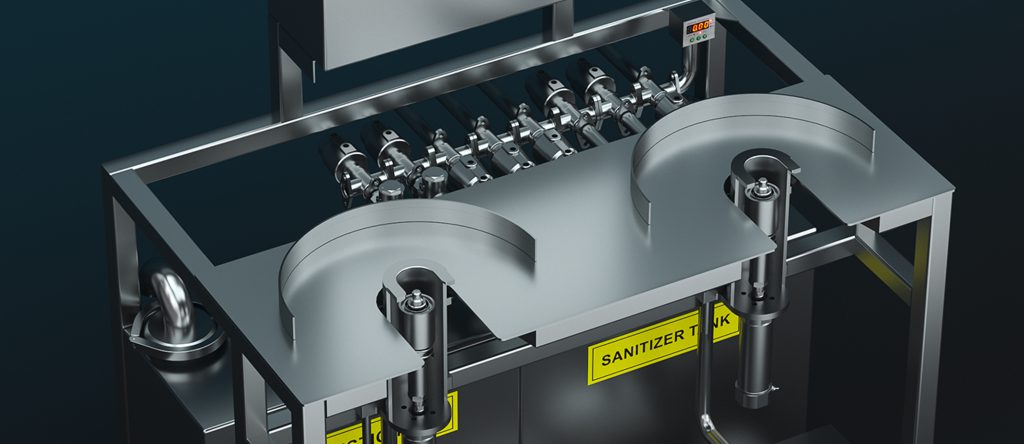
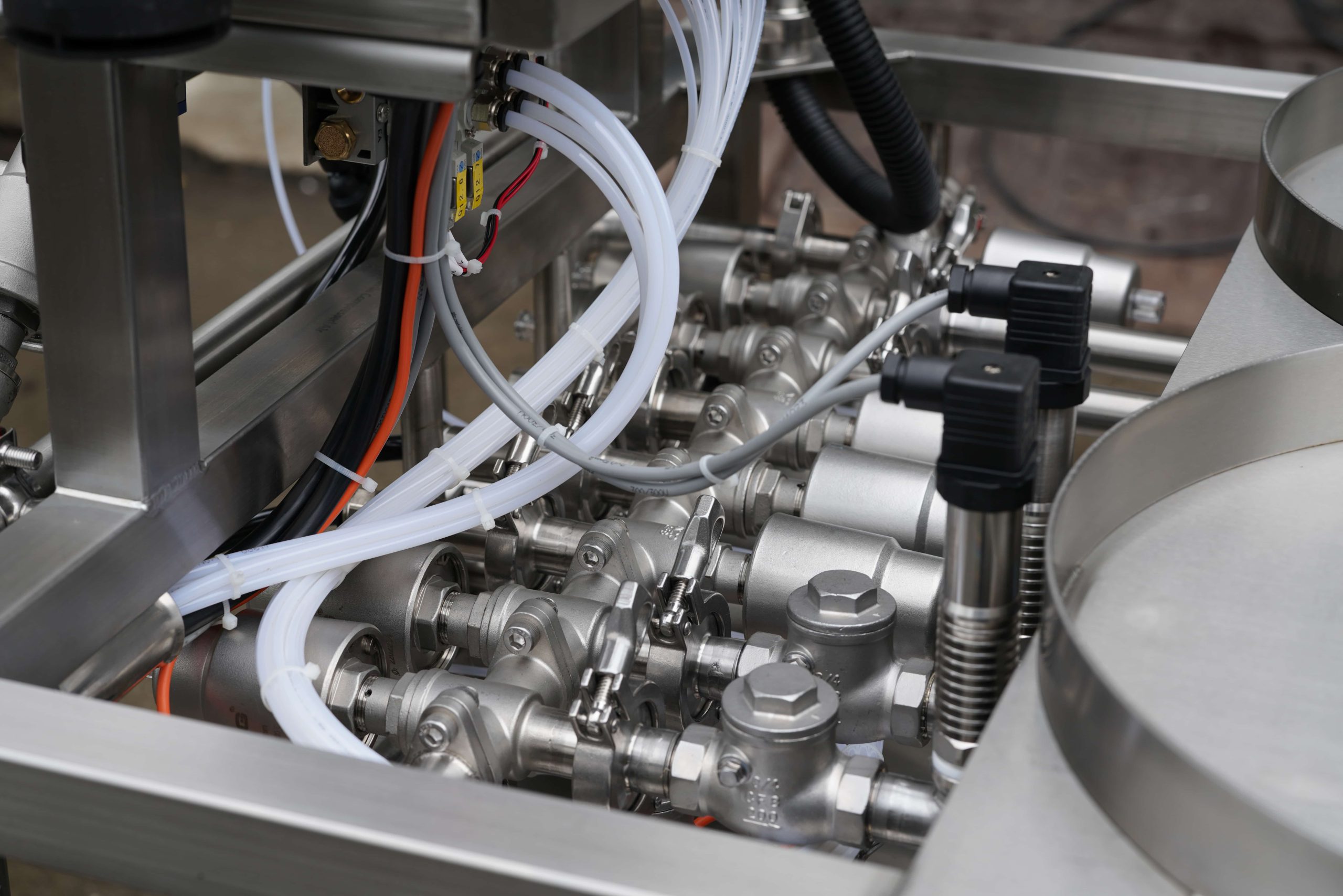
Keg-washing equipment shown for comparison; dispensing lines require a separate cleaning procedure.
Keg line cleaning removes deposits from the dispensing route between a keg and the tap. It is a different job from washing the reusable keg before filling. A brewery or taproom needs clear responsibilities for both processes because clean packaging does not compensate for a neglected dispensing system.
Key takeaways
- Maintain the beer lines, faucets and couplers as a complete dispensing system.
- Use an equipment-compatible procedure and verify chemical removal before returning a line to service.
- Keep a cleaning log that identifies each line and the work completed.
Keep line cleaning separate from keg washing
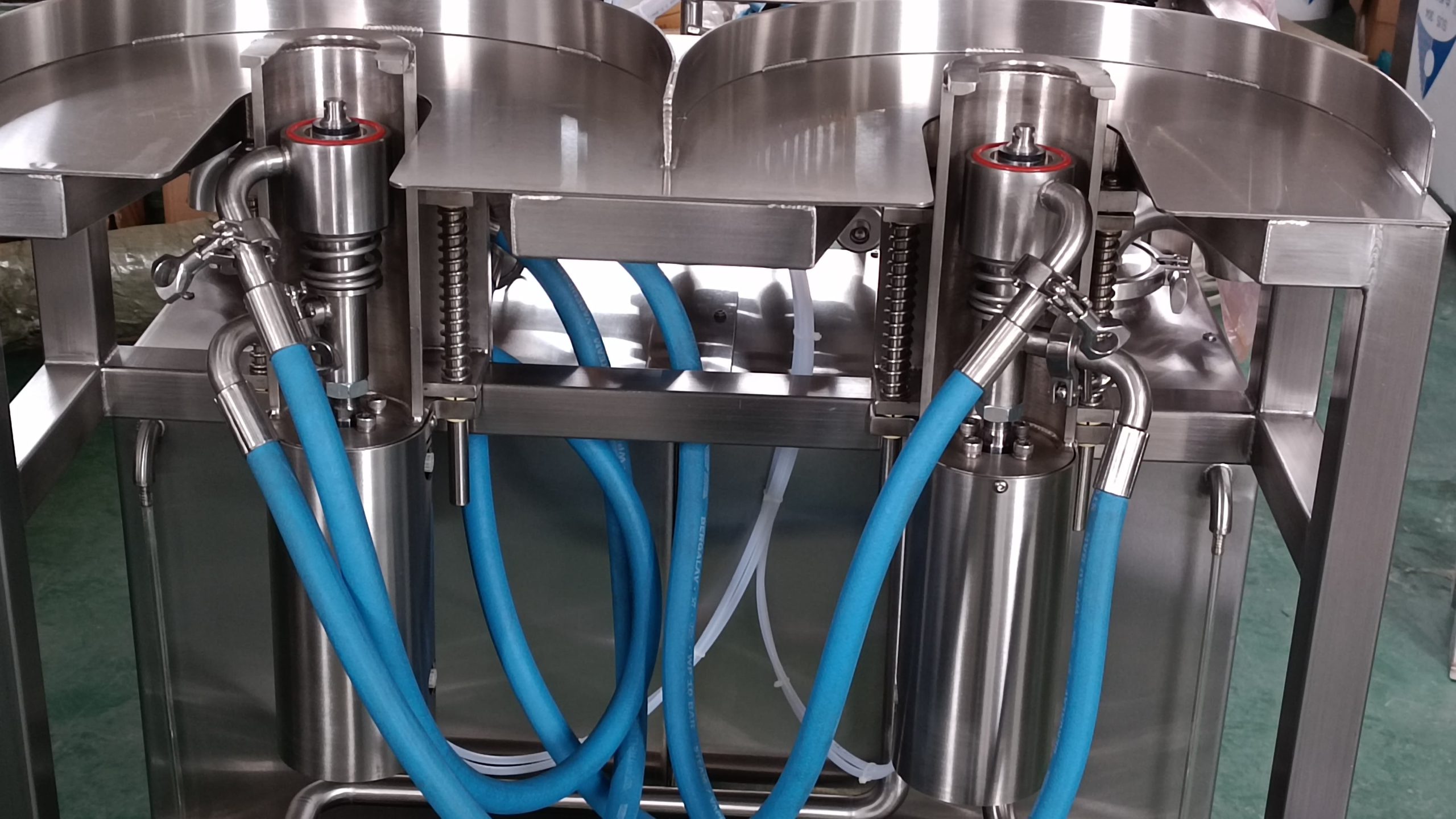
Keg-washing equipment shown for comparison; dispensing lines require a separate cleaning procedure.
A beer keg washer treats the keg and its specified internal flow path. It does not clean the hoses, faucets or other fittings in a taproom. Likewise, circulating cleaner through a draft line does not establish that a returned keg is ready to refill.
Assign separate procedures and records to these duties. For the packaging side, the craft brewery keg washer guide covers equipment selection. This article focuses on dispensing lines.
Set a schedule before defects appear
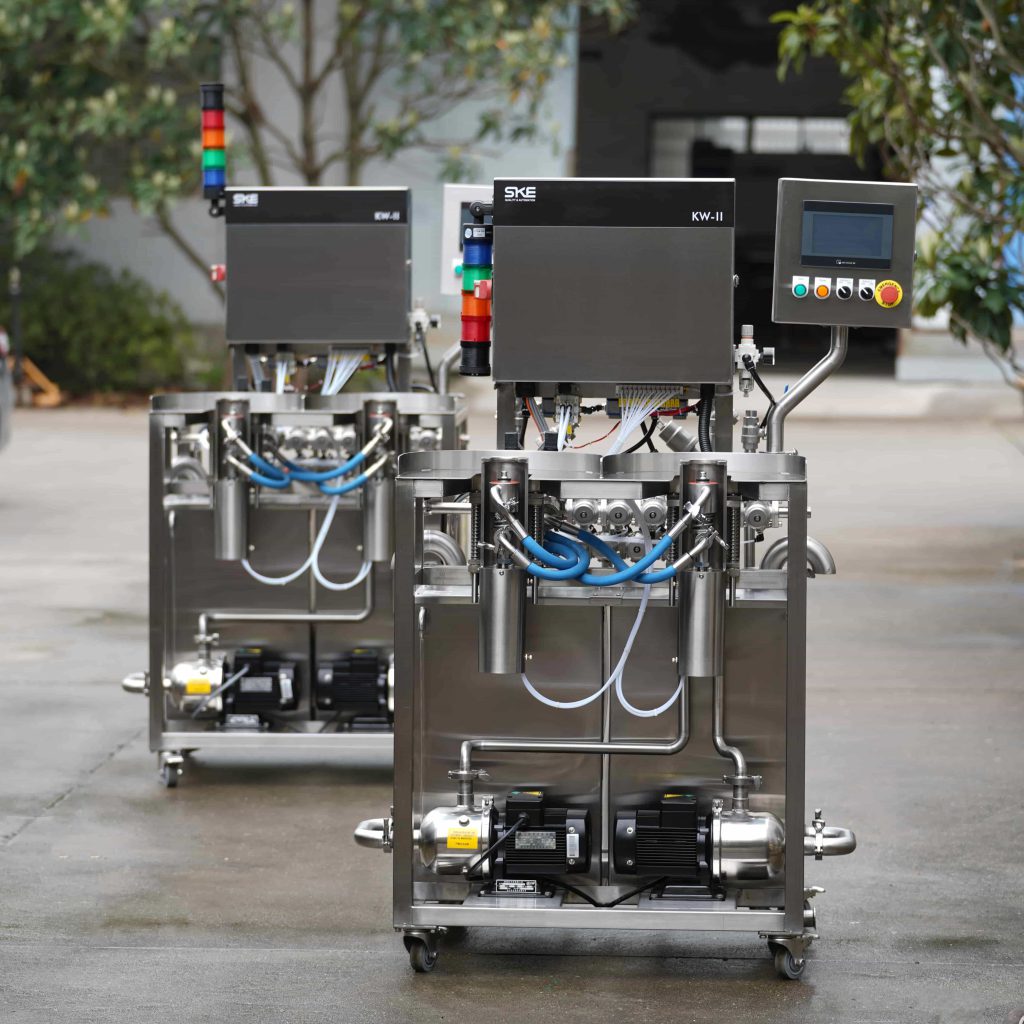
Keg-washing equipment shown for comparison; dispensing lines require a separate cleaning procedure.
The Brewers Association’s Draught Beer Quality Manual recommends routine line cleaning; its published guidance says to clean at least every two weeks, with no more than 14 days between routine cleanings. Treat that as a maintenance baseline and check whether the product, equipment or local requirements call for a different procedure or more frequent work.
Waiting for off-flavours makes cleaning reactive. A scheduled programme also helps distinguish a hygiene issue from temperature, pressure or mechanical problems when a tap pours poorly.
Write the procedure around the installed system

Keg-washing equipment shown for comparison; dispensing lines require a separate cleaning procedure.
Identify the tubing, couplers, faucets and any other components that require separate attention. Use the cleaner supplier’s instructions and the equipment manufacturer’s limits to establish concentration, temperature, contact time and circulation conditions.
A written sequence should identify isolation from the beer supply, flushing, cleaning the lines and serviceable fittings, rinsing, chemical-removal verification, and return to service. Follow the installed system’s procedure for each stage. Mineral deposits and organic soils can require different cleaning products and schedules; identify the soil rather than repeatedly increasing the same cleaner.
Do not substitute a generic chemical recipe. Separate products may be required for different soils, and chemical compatibility matters. Cleaning and sanitising are different functions; a sanitiser does not remove established deposits in place of an effective cleaning step.
The release procedure should verify that cleaning chemicals have been removed using an appropriate test. Do not rely on tasting rinse water. Restore the system only after the required checks are complete.
Record enough information to investigate a problem
| Log field | Why it matters |
|---|---|
| Line and product identification | Shows exactly which dispensing path was serviced |
| Date and operator | Establishes the maintenance history |
| Chemical and procedure used | Allows the work to be compared with the approved method |
| Components dismantled or serviced | Distinguishes line circulation from complete maintenance |
| Rinse verification and return-to-service check | Records the basis for releasing the line |
| Defects and corrective work | Prevents repeated issues from disappearing into a tick box |
Keep the log available to staff responsible for serving beer, not only the external cleaning contractor.
Investigate persistent foam or flavour changes
Check the cleaning history and inspect serviceable components. Also review beer temperature, dispensing pressure and the mechanical condition of the system. Excess foam alone does not identify dirty lines as the cause.
If the same issue affects several locations serving one batch, include the packaged beer in the investigation. If it is isolated to one line, compare that line’s maintenance and operating conditions. This helps narrow the problem without repeatedly changing unrelated equipment.
For a brewery designing both packaging and service operations, include the separate cleaning duties in the brewery project responsibility plan. Automated equipment can improve repeatability, but inspection, verification and records remain necessary.
About this article: Prepared for the SKE Equipment blog with AI-assisted research and editing. Original byline: Mandy, equipment marketing specialist. The linked references support the technical background; this article does not report an SKE equipment trial or a project-specific engineering review.