By the SKE Process Engineering Team, which designs and manufactures brewhouses, fermentation tanks, and CIP systems for breweries worldwide.
Key Takeaways
- A bottling line is a sequence of machines — depalletizer, rinser, filler, capper, labeler, inspector, and packer — that work together to fill, seal, and prepare bottles for shipping.
- Automation level (manual, semi-automatic, or fully automatic) should match production volume; high-speed commercial lines can now run in the range of 20,000 bottles per hour.
- Brewers generally target less than 50 ppb of dissolved oxygen in the final package, per MBAA Technical Quarterly guidance, since oxygen pickup during filling is a leading cause of stale, papery off-flavors.
- Beer and spirits bottling differ mainly in carbonation control, alcohol resistance, and bottle variety — beer needs counter-pressure filling, while spirits need accurate, evaporation-resistant filling.
- SKE does not manufacture bottling machines, but designs the upstream brewhouses, fermentation tanks, storage tanks, and CIP systems that a bottling line depends on for a steady, clean beer supply.
Introduction: Why Bottling Line Equipment Matters
For any brewery, packaging is a critical step. After brewing and fermentation, beer must go into bottles, cans, or kegs. This is the final step before products reach customers, and poor packaging can ruin great beer. For breweries considering draft packaging instead, our kegging system guide covers the process in detail.
Bottling line equipment is the system that fills bottles with beer, seals them, and prepares them for shipping. A well-matched system saves time and money while keeping beer fresh and safe.
Small breweries may need simple lines, while large breweries need fast, automatic systems — the right choice depends on the brewery’s size and goals.
SKE is a brewing equipment manufacturer. We specialize in brewhouses, fermentation tanks, storage tanks, and CIP cleaning systems. We do not make bottling machines, but we understand the whole production process, and this guide is built to help you make better packaging decisions for your brewery.
What Is Bottling Line Equipment?
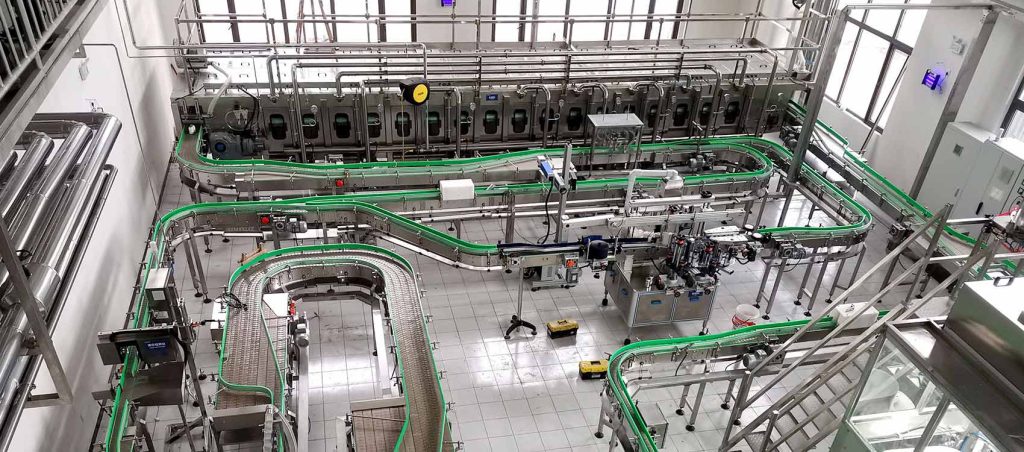
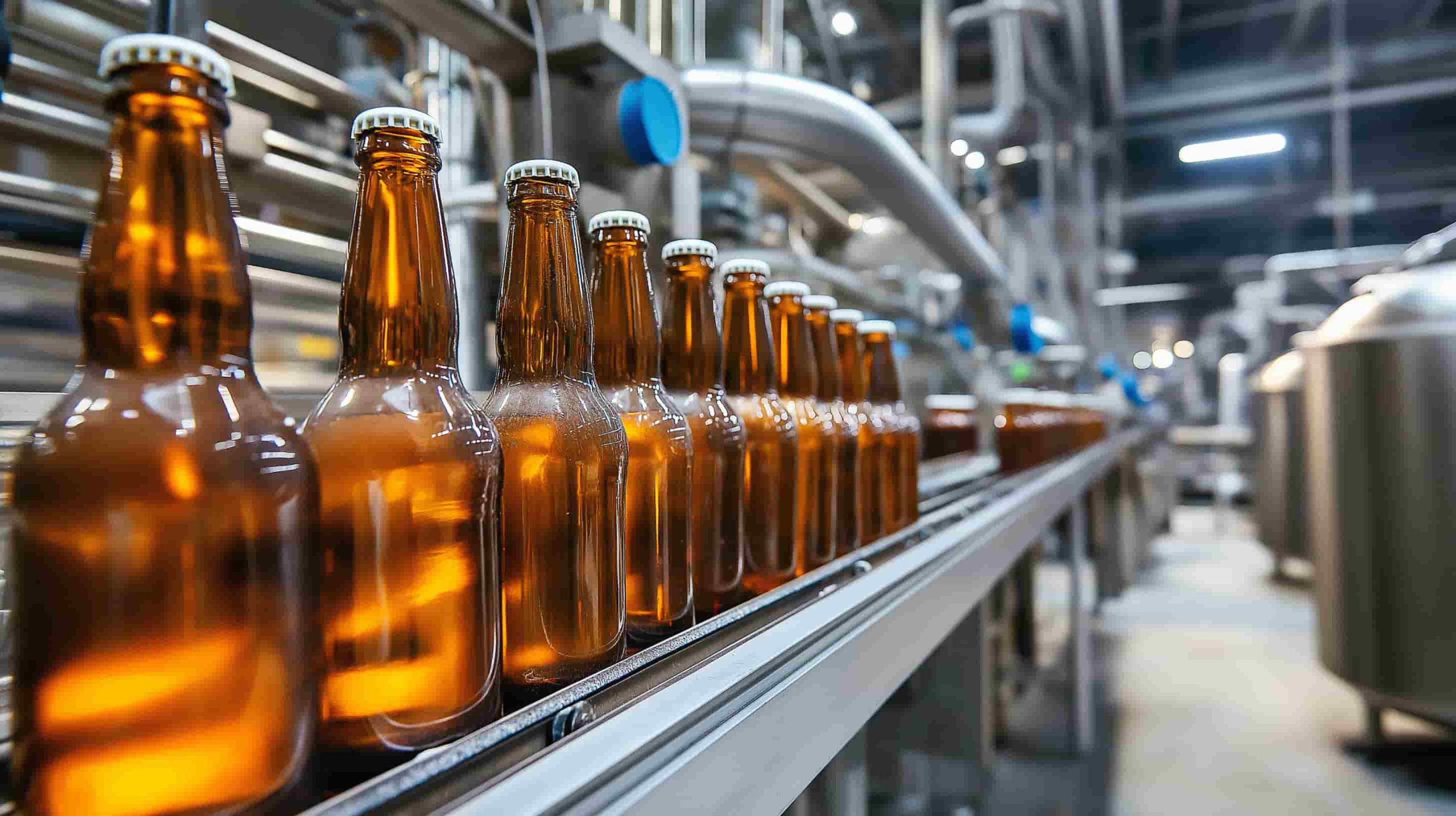
Bottling line equipment is a series of machines that work together to put beer into bottles. The process starts with empty bottles and ends with full, sealed, labeled products moving toward the loading dock.
Each machine has a specific job, and bottles move from one machine to the next on a conveyor belt.
The main goals are speed and quality. Speed matters for large production runs; quality matters for customer satisfaction. A good line keeps carbonation intact and prevents oxygen from entering the bottle. Oxygen makes beer taste bad — as MoreBeer explains, headspace air in the bottle is a major source of the oxidation that produces stale, papery off-flavors. Brewers generally target keeping total package oxygen under 50 ppb, per MBAA Technical Quarterly guidance on dissolved oxygen management.
Modern equipment uses stainless steel, which is strong and easy to clean. Hygiene is very important in beverage production, which is why beverage equipment is typically built to meet the 3-A Sanitary Standards for hygienic design.
Main Parts of a Bottling Line
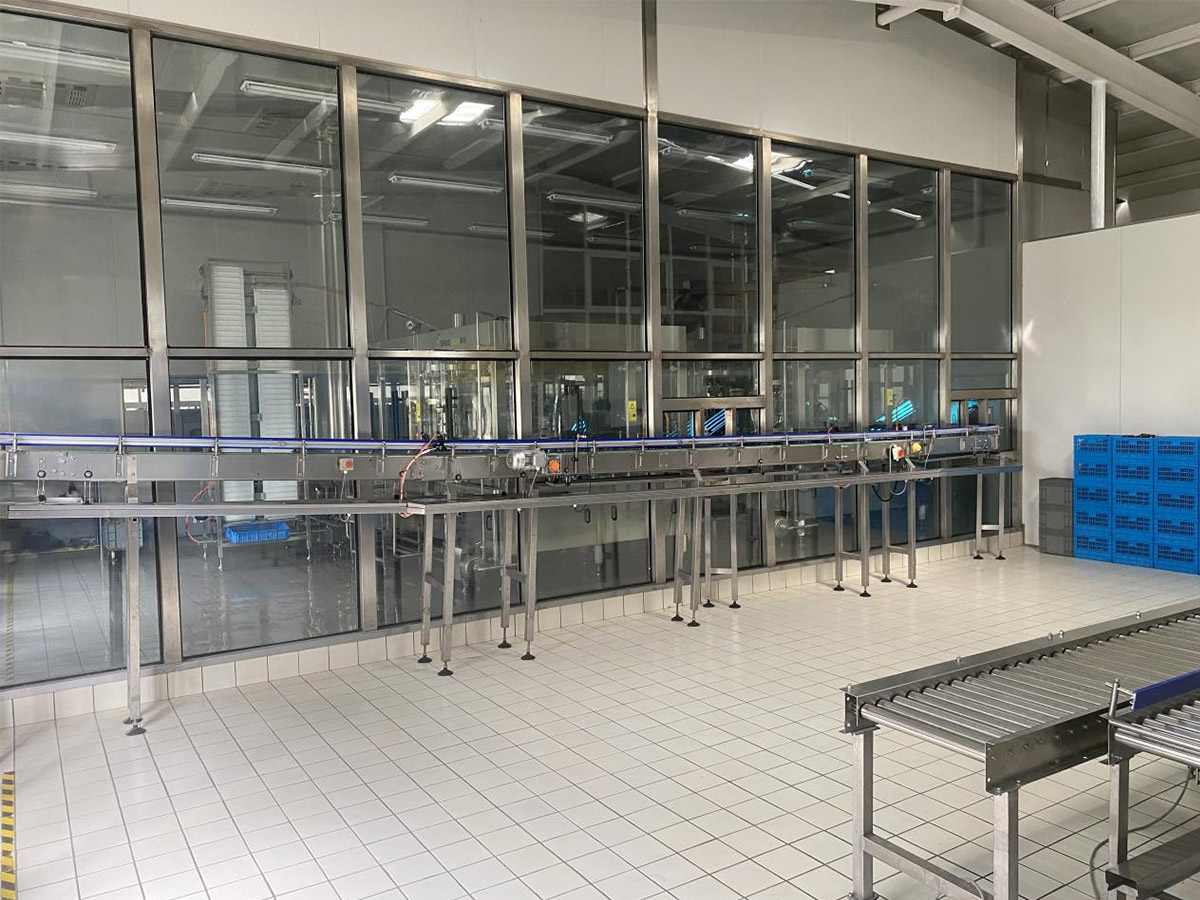
A complete bottling line has several key parts, and each plays an important role in getting beer from tank to shelf.
Depalletizer
This is the first machine. It takes empty bottles off wooden pallets and places them on the conveyor, saving manual labor.
Rinser
Before filling, bottles must be clean. The rinser uses water or air to remove dust and particles.
Filler
The filler is the heart of the line. It fills each bottle with the exact same amount, and for beer it must preserve carbonation. Many fillers use counter-pressure technology to reduce foam and oxygen pickup.
Capper
After filling, the capper places a crown cap or other closure on the bottle. A good seal keeps beer fresh.
Labeler
The labeler applies product labels, which matters for branding and product information.
Inspector
Quality control is essential. The inspector uses cameras and sensors to check fill levels, caps, and labels.
Packer
The final step is packing. The packer puts bottles into boxes or trays for storage and shipping.
Different Types of Bottling Lines
Breweries can choose different automation levels, and the right choice depends on size and budget.
| Type | Best For | Main Benefit |
|---|---|---|
| Manual Line | Very small breweries | Low cost, simple |
| Semi-Automatic Line | Growing breweries | Balance of cost and speed |
| Fully Automatic Line | Large breweries | High speed, low labor |
Manual Lines
These need a lot of human work. They are slow but cheap, and well suited to very small production volumes.
Semi-Automatic Lines
These have some automatic machines while humans still handle some tasks — a good fit for growing breweries.
Fully Automatic Lines
These need very few workers, since machines handle almost everything. They are very fast and can fill thousands of bottles per hour — for example, Asahi Beer USA recently installed a high-speed bottling line rated for up to 20,000 bottles per hour at its Octopi facility.
How to Choose the Right Equipment
Choosing the right bottling line equipment is a big decision. Consider these factors.
- Production Capacity. How many bottles per hour do you need? Small breweries may need 1,000 bottles per hour, while large breweries may need 50,000. Choose a line that matches your current needs and future growth.
- Level of Automation. Manual, semi-automatic, or fully automatic — this depends on your budget and labor costs.
- Bottle Size and Shape. Different beers use different bottles, so make sure the line can handle your bottle types.
- Integration with Other Systems. The bottling line connects to storage tanks and cleaning systems, so choose equipment that fits your existing setup.
- Upstream Equipment Compatibility. This is often overlooked. The bottling line needs a steady beer supply from bright beer tanks, along with proper cooling and cleaning. SKE can help design these upstream systems to match your bottling line.
- Maintenance and Support. All machines need maintenance, so choose a manufacturer with good support and reliable spare parts availability.
Top Beer Producing Countries
Some countries produce far more beer than others. These top beer producing countries operate large breweries with high-speed lines.
According to 2024 global beer production data compiled by VinePair, based on Kirin Beer University Report figures, the top beer-producing countries by volume are:
- China
- United States
- Brazil
- Mexico
- Russia
- Germany
These countries produce millions of hectoliters yearly, and their breweries need reliable, high-speed bottling line equipment that runs 24/7.
SKE has experience with breweries worldwide. Our fermentation tanks, storage tanks, and cleaning systems are built for heavy use.
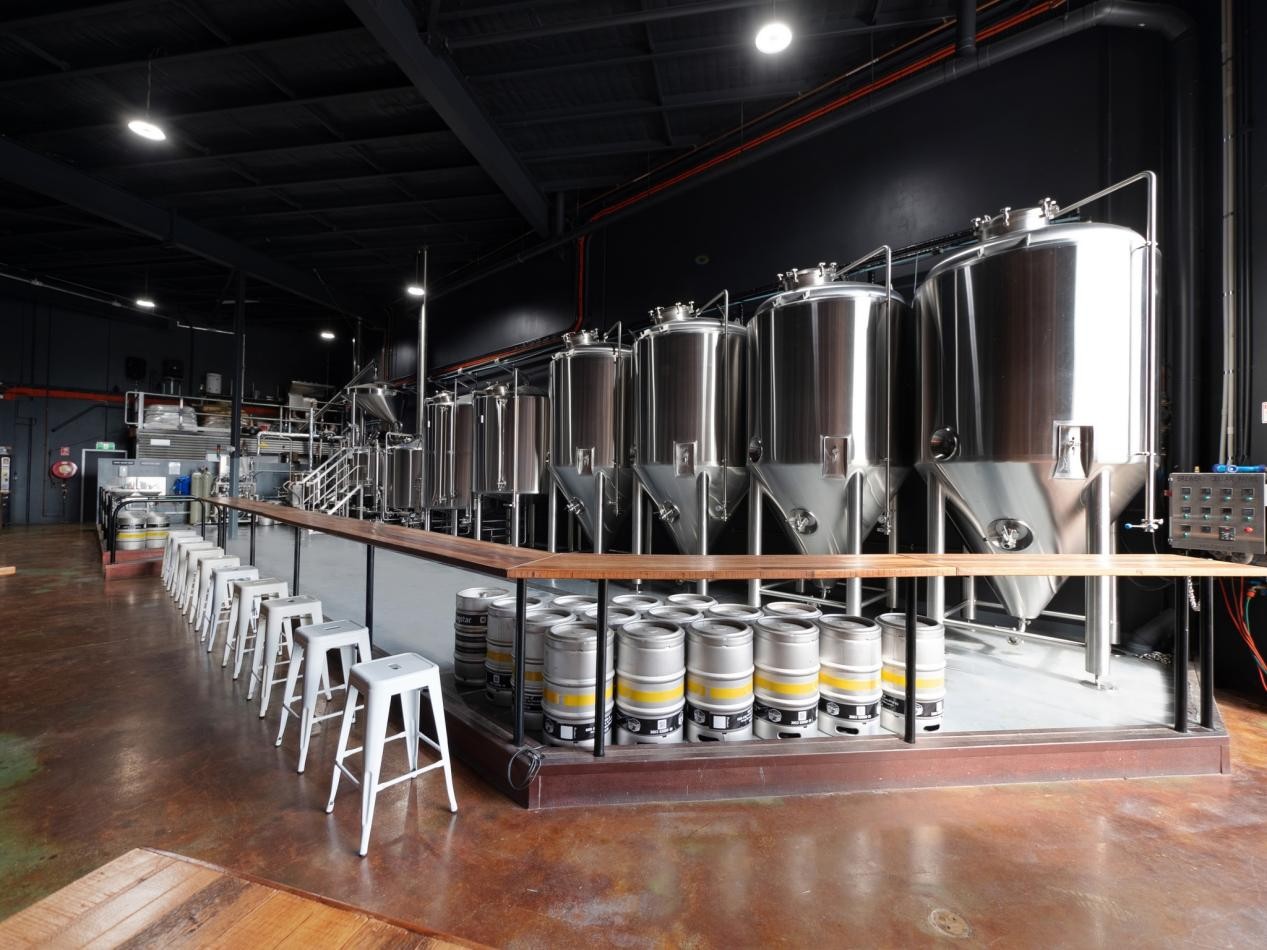
Distillery Bottling Equipment: Key Differences
Beer and spirits are different, so distillery bottling equipment has unique requirements.
| Feature | Beer Bottling | Spirit Bottling |
|---|---|---|
| Carbonation | Yes, needs special filling | No, simple filling |
| Alcohol Level | Low to medium | High |
| Bottle Types | Usually standard | Often varied, premium |
| Main Goal | Keep CO2, prevent oxygen | Accurate fill, premium finish |
1. Carbonation
Beer has CO2, while spirits do not. Beer filling needs counter-pressure; spirit filling is simpler.
2. Alcohol Content
Spirits have higher alcohol content, so equipment materials must resist it.
3. Bottle Variety
Distilleries often use unique bottle shapes, so lines must be flexible with quick changeovers.
4. Product Protection
Beer needs oxygen protection, while spirits need protection from evaporation.
Common Challenges and Solutions
Challenge 1: Foam Loss
Beer foams too much during filling.
Solution: Use counter-pressure filling and keep beer cold.
Challenge 2: Low Filling Accuracy
Bottles end up with inconsistent fill levels.
Solution: Use modern fillers with accurate sensors and calibrate them regularly.
Challenge 3: Downtime
Machines break down and stop production.
Solution: Choose reliable equipment, do regular maintenance, and keep spare parts on hand.
Challenge 4: Oxygen Pickup
Oxygen enters bottles during filling and ruins the beer’s taste over time.
Solution: Use fillers that minimize oxygen exposure and ensure proper capping. As a benchmark, MBAA Technical Quarterly guidance points to keeping total package oxygen under 50 ppb to protect shelf-life flavor stability.
Challenge 5: Upstream Supply Problems
The bottling line stops because there is no beer ready to fill.
Solution: Plan production flow carefully and ensure tanks have enough capacity. Use reliable CIP cleaning — SKE can help design a smooth production system. For more on CIP system operation, see our CIP machine guide.
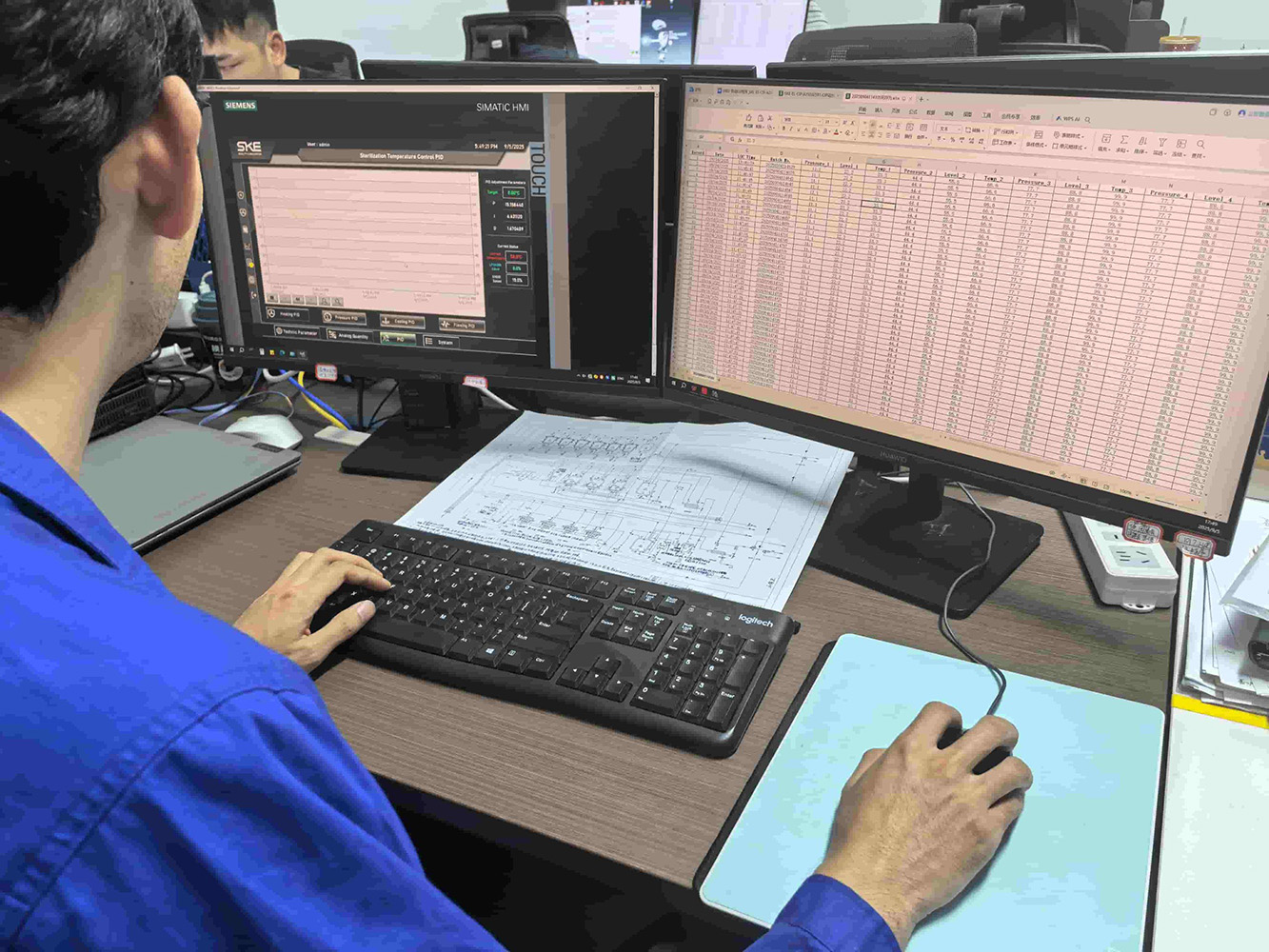
SKE: Your Partner for Brewing Core Equipment
SKE manufactures essential brewing equipment:
- Brewhouse systems
- Fermentation and maturation tanks
- Bright beer tanks
- CIP cleaning systems
- Process control solutions
- Turnkey brewery projects
Our goal is to help you build a complete, efficient brewery. Whether you need a single tank or a complete brewhouse, SKE is here to help.
Frequently Asked Questions
Q1: What is bottling line equipment?
A: It is a system that fills, seals, labels, and packs bottled beer.
Q2: Does SKE manufacture bottling machines?
A: No. SKE specializes in brewhouses, fermentation tanks, storage tanks, and CIP systems. We do not make fillers or cappers.
Q3: What is the difference between beer and distillery bottling?
A: Beer needs carbonation control; spirits do not. Spirits have higher alcohol content and often use varied bottle shapes.
Q4: How do I choose the right bottling line?
A: Consider capacity, budget, automation level, bottle types, and upstream equipment compatibility.
Q5: How can SKE help my brewery?
A: We provide brewhouses, fermentation tanks, storage tanks, and CIP systems, and we design systems that integrate smoothly with your bottling line.
Q6: Why is stainless steel used?
A: It is strong, hygienic, easy to clean, and does not rust or react with beer.
Conclusion
Choosing the right bottling line equipment is important for your brewery. It affects speed, costs, and beer quality.
We have covered the main parts of a bottling line, compared automation levels, and discussed top beer producing countries and distillery bottling equipment.
Remember, a bottling line needs reliable upstream equipment. Tanks, pipes, cooling, and cleaning systems are just as important as the line itself.
SKE provides these core brewing systems. We offer high-quality tanks, brewhouses, and cleaning solutions built to last.
If you are planning a new brewery or upgrading an existing one, contact SKE. We can provide customized solutions for your brewing needs.
- Facebook: SKE Equipment Facebook
- Email: info@skeequipment.com
Fill out the contact form below for customized solutions. We fully support all your production equipment demands for breweries and beverage plants.