
Introduction: Why Mixing Technology Matters in Brewing
In the modern beer industry, making great beer is not only about using quality ingredients. For medium and large breweries, the biggest challenge is keeping the same taste, quality, and efficiency in every single batch.
Small differences in ingredient distribution, temperature control, or mixing performance can change the final flavor. This is why professional breweries invest in reliable equipment like a stainless steel mix tank.
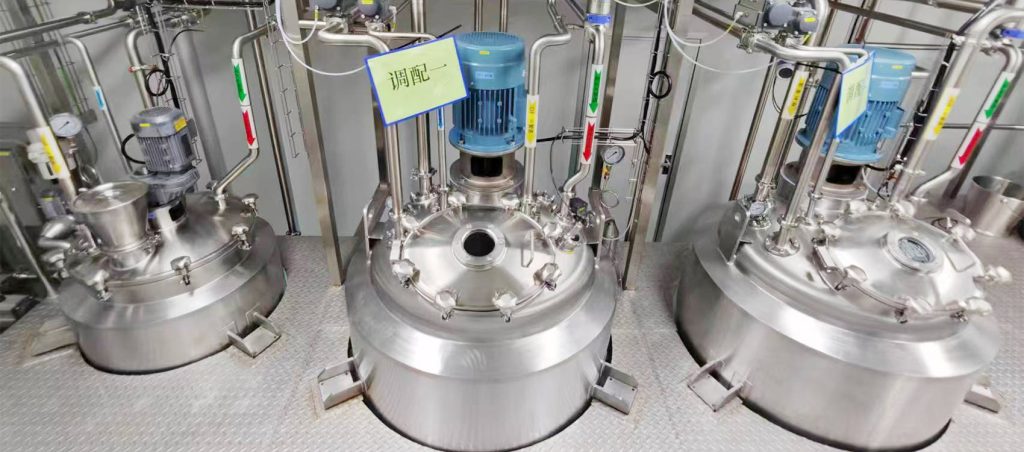
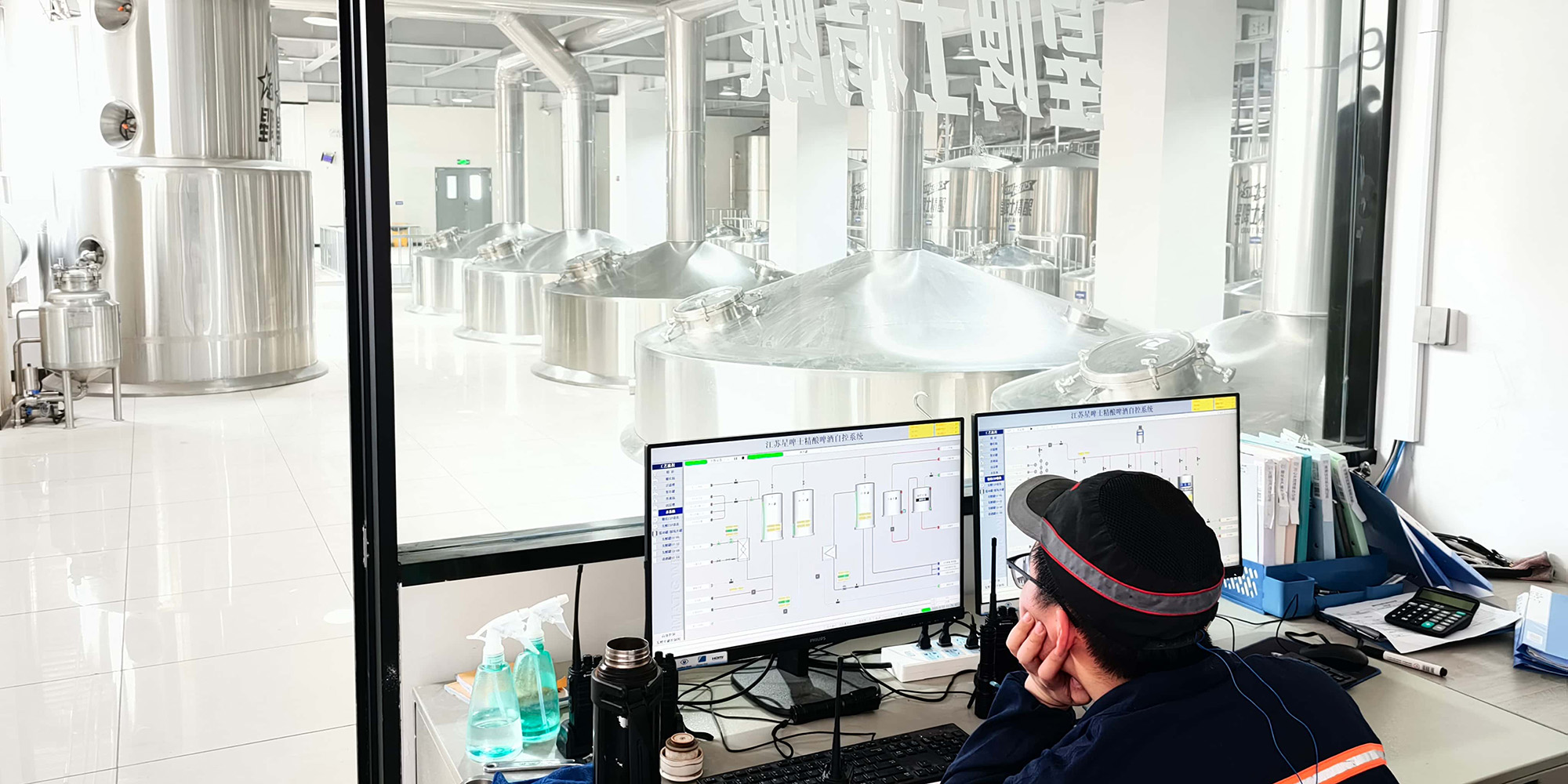
A stainless steel mix tank is more than just a storage container. It is a key part of modern brewing systems. It helps breweries blend ingredients, improve product consistency, control processing conditions, and maintain strict hygiene standards.
SKE provides customized stainless steel tanks and complete brewery solutions for breweries around the world, with the goal of helping customers brew a beer with stable quality, higher efficiency, and lower operating costs.
By the SKE Process Engineering Team
Key Takeaways
- Stainless steel replaced wooden barrels as the brewing industry standard because it is non-porous and does not absorb bacteria or off-flavors.
- A professional mix tank combines an agitation system, temperature control jacket, sanitary valves, and a CIP-compatible cleaning system in one vessel.
- Compared with plastic tanks, stainless steel offers longer service life, better pressure resistance, and no flavor transfer between batches.
- The global craft beer market, including 9,796 U.S. craft breweries in 2024 and over 10,000 across Europe, is driving demand for consistent, scalable mixing equipment.
- SKE tanks are available from 500 liters to 50,000 liters, built from food-grade 304 or 316L stainless steel.
From Wooden Barrels to Stainless Steel: A Brief History
For hundreds of years, brewers used wooden barrels for beer production and aging. A barrel for brewing beer was an essential tool in traditional brewing. Wood could provide unique flavors and create special beer styles that many drinkers still love today.
However, wooden barrels also have serious limitations.
Wood is naturally porous. This means it can absorb liquids, bacteria, and unwanted flavors. Cleaning and maintaining wooden barrels is difficult, especially for large-scale commercial production. Over time, the beer industry needed a better solution.
This is where stainless steel came in. Unlike wood, stainless steel is non-porous. It does not absorb flavors or bacteria. It is also incredibly strong and durable.
Today, stainless steel is the preferred material for professional breweries worldwide. While some craft brewers still use wooden barrels for special styles, the industry standard for mixing and storage is now stainless steel.
What Is a Stainless Steel Mix Tank?
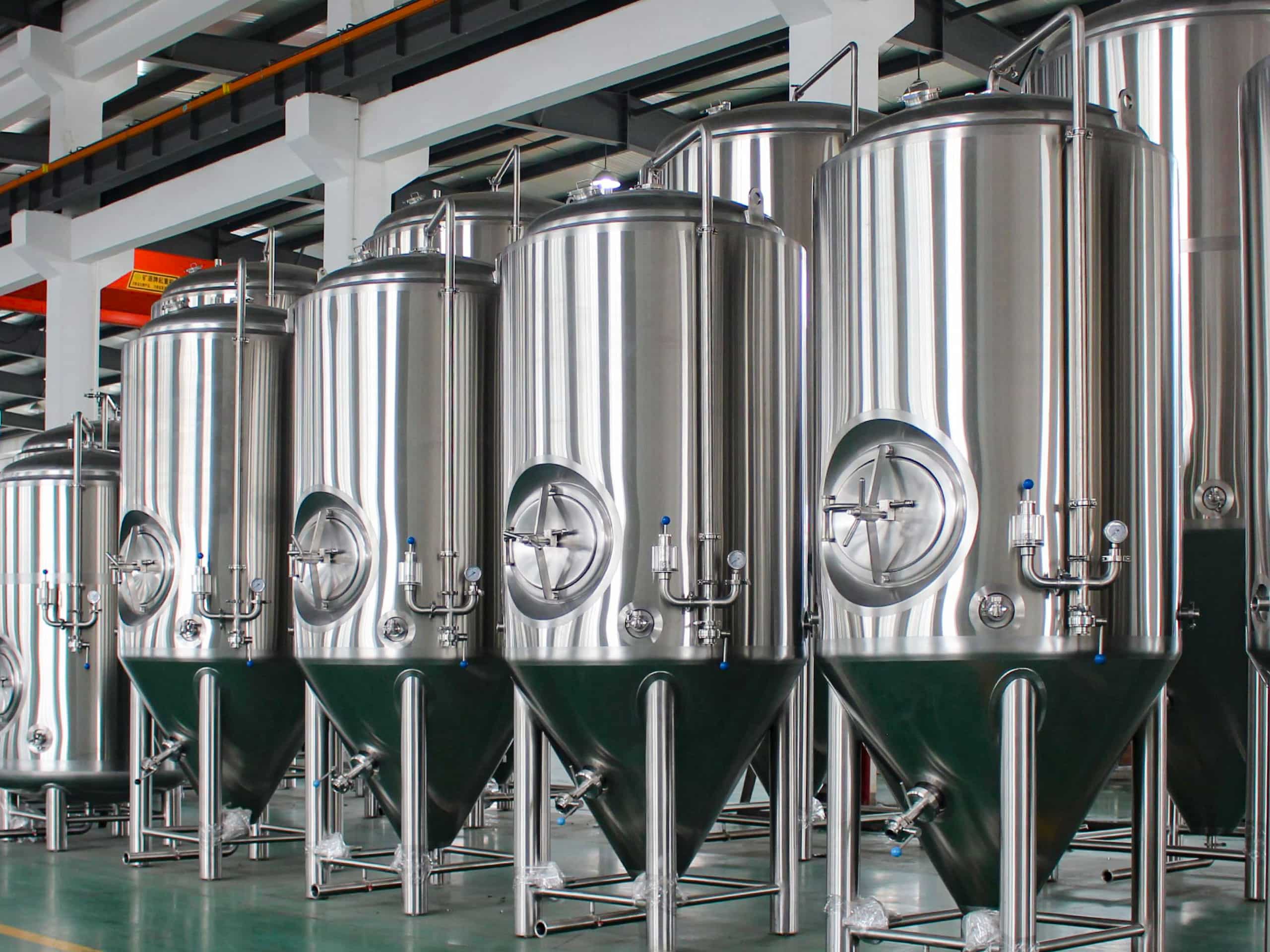
A stainless steel mix tank is a sanitary tank designed for blending and processing liquids in breweries and beverage plants. It is different from simple storage tanks because it includes professional components.
Typical features of a professional mix tank include:
| Component | Function |
|---|---|
| Agitation system | Mixes ingredients evenly |
| Temperature control jacket | Maintains accurate temperatures |
| Sanitary valves | Controls liquid flow safely |
| Spray balls or CIP system | Cleans the tank automatically |
| Pressure control system | Manages carbonation and pressure |
These features allow breweries to achieve accurate mixing and stable production results.
How a Stainless Steel Mix Tank Helps You Brew Better Beer
When you brew a beer, consistency is one of the most important goals. Customers expect the same taste every time they buy your product. However, achieving this consistency becomes more difficult as production capacity increases.
A professional stainless steel mix tank helps solve several common brewery challenges.
1. Improve Mixing Uniformity
Uneven mixing can create differences in flavor and quality from one batch to another.
A stainless steel mix tank with an efficient agitator system ensures ingredients are distributed evenly throughout the tank. In practice, a mid-size tank (roughly 2,000 liters) fitted with a variable-speed agitator can reach uniform mixing well within a typical batch-prep window, considerably faster than manual blending methods.
This is especially important for:
- Fruit beer
- Flavored beer
- Non-alcoholic beer
- Mixed fermentation beverages
Better mixing helps breweries achieve a stable final product every time. For breweries scaling beyond a single mix tank, our guide to mixing vat systems covers how to size agitation and heating for medium and large production volumes.
2. Better Temperature Control
Temperature directly affects beer quality. During brewing and processing, unstable temperatures can influence:
- Flavor development
- Yeast performance
- Product stability
Stainless steel mix tanks can be equipped with cooling or heating jackets. These systems let brewers hold temperatures within a tight, repeatable tolerance band rather than the wide swings common with unjacketed vessels, which supports consistent fermentation and maturation.
3. Improve Hygiene and Food Safety
For commercial breweries, contamination is a major risk. One infected batch can ruin a brewery’s reputation and cause significant financial loss.
Stainless steel has a smooth, non-porous surface that is easy to clean and sanitize. Combined with Clean-In-Place (CIP) systems, breweries can reduce cleaning time and improve production safety. Our CIP machine guide covers how to select and operate these systems for consistent sanitation.
This makes stainless steel the ideal choice for:
- Craft breweries
- Regional breweries
- Large industrial breweries
Stainless Steel vs. Plastic: Which Is Better?
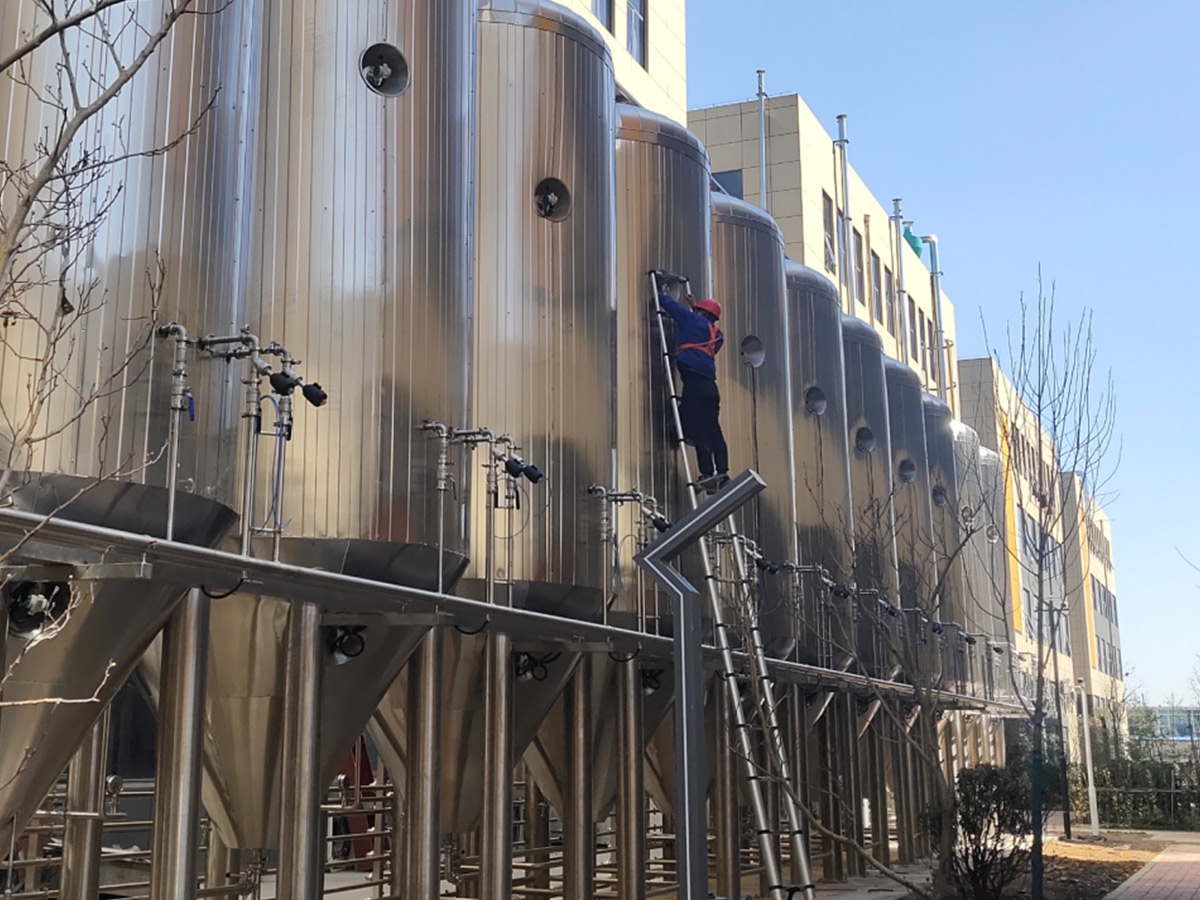
Some small producers may consider plastic tanks because they have a lower initial cost. However, for professional breweries, stainless steel provides much better long-term value.
Here is a direct comparison:
| Feature | Stainless Steel Mix Tank | Plastic Tank |
|---|---|---|
| Durability | Excellent. Lasts 20+ years. | Limited. Can crack or deform. |
| Hygiene | Non-porous. Easy to sanitize. | Porous. Can trap bacteria and odors. |
| Temperature Control | Excellent. Supports cooling/heating jackets. | Poor. Hard to control temperatures. |
| Flavor Protection | Does not affect beer flavor. | Can absorb and transfer previous flavors. |
| Pressure Resistance | High. Suitable for carbonation. | Low. Can burst under pressure. |
| Long-Term Cost | Lower over time. Low maintenance. | Higher over time. Frequent replacement. |
For breweries planning long-term growth, stainless steel is clearly the more reliable investment.
Global Craft Beer Growth and Equipment Demand
The craft beer market continues to grow worldwide. Many countries have built strong brewing cultures, including the United States, home to 9,796 operating craft breweries in 2024, Germany, the United Kingdom, Canada, Australia, and other emerging markets. The Brewers of Europe counted over 10,000 breweries across the continent in the same year.
Craft brewing has become a global movement. Countries with well-established craft beer scenes are often recognized for their innovation, brewing traditions, and large number of breweries. These markets include:
- United States
- Germany
- United Kingdom
- Canada
- Australia
- Italy
- Spain
- France
- Netherlands
- Switzerland
As competition increases in these countries, breweries need advanced equipment to improve efficiency and maintain quality. Modern breweries are no longer competing only through recipes. They also compete through:
- Production consistency
- Energy efficiency
- Automation
- Quality control
A reliable stainless steel mix tank helps breweries meet these challenges and expand production capacity. Breweries in these top beer-producing nations are increasingly adopting automated mixing technology to maintain their competitive edge.
Key Features of Industrial Stainless Steel Mix Tanks
For medium and large breweries, equipment design directly affects production efficiency.
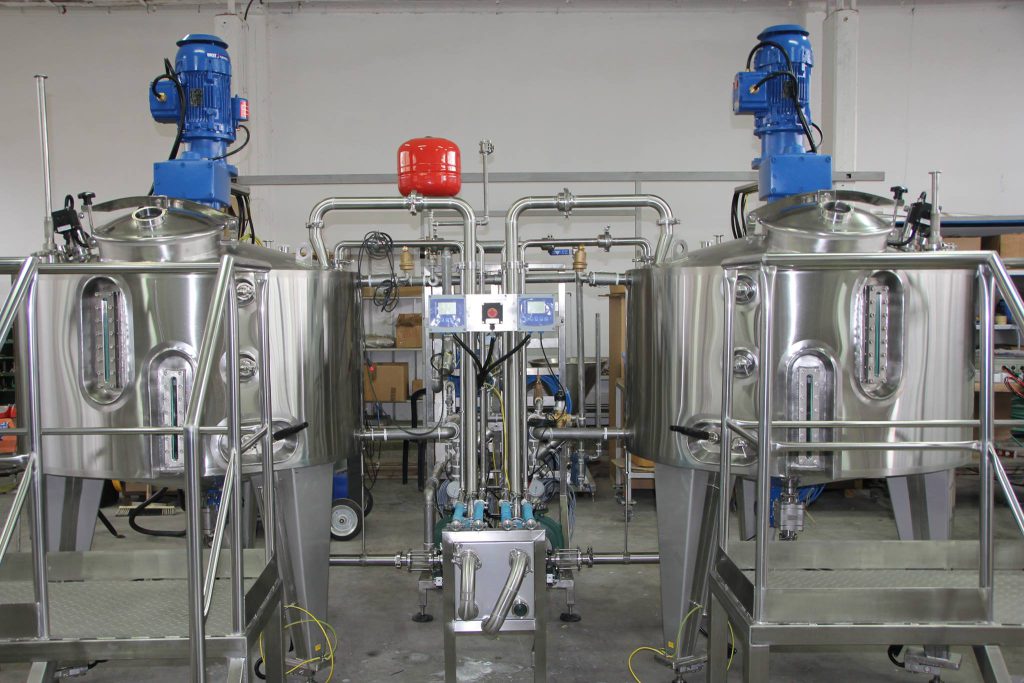
A high-quality stainless steel mix tank from SKE usually includes the following features:
| Design Feature | Advantage |
|---|---|
| Food-grade stainless steel (304 or 316L) | Safe and hygienic production |
| Cooling/heating jacket | Accurate temperature control |
| Variable-speed agitator | Better mixing performance |
| CIP-friendly design | Faster and easier cleaning |
| Customizable volume (500L to 50,000L) | Matches your production capacity |
| Sanitary pipeline design | Reduces contamination risk |
These features help breweries reduce production problems and improve operational stability. With the right tank, you can increase production without sacrificing quality.
Why Choose SKE Stainless Steel Mix Tanks?
Every brewery has different production requirements. A small craft brewery may need flexible equipment for product development, while a large brewery requires stable performance for continuous 24/7 operation.
Here is why breweries around the world choose SKE:
1. High-Quality Stainless Steel Construction
These tanks use food-grade stainless steel materials (304 and 316L) designed for safe beer production. These materials resist corrosion and maintain their integrity for decades.
2. Customized Design
Tank volume, structure, and configuration can be adjusted according to your specific brewery requirements. Whether you need 500 liters or 50,000 liters, there is a solution.
3. Professional Temperature Control
Heating and cooling systems help breweries maintain accurate processing conditions. This ensures consistent fermentation and beer quality.
4. Sanitary and Efficient Operation
Tank designs support easy cleaning and efficient operation. With CIP compatibility, breweries can reduce downtime between batches.
5. Complete Brewery Solutions
Besides stainless steel mix tanks, SKE also provides complete brewery equipment solutions, including:
- Brewhouses
- Fermentation tanks
- Storage tanks
- Bright beer tanks
- Customized production systems
SKE aims to be more than a manufacturer, but a partner in brewing excellence.
The Future of Brewing Technology
The brewing industry continues to evolve. While traditional methods such as a barrel for brewing beer still have their place for special beer styles, modern commercial breweries rely on stainless steel equipment for consistent, large-scale production.
Modern breweries are adopting:
- Automated control systems
- Digital temperature monitoring
- Energy-saving designs
- Improved cleaning solutions
- IoT-connected equipment for remote monitoring
These technologies allow brewers to focus on creating better products while reducing operational challenges. A stainless steel mix tank is the foundation of this development, combining traditional brewing knowledge with modern engineering.
Frequently Asked Questions (FAQ)
Q1: What is a stainless steel mix tank used for in breweries?
A: A stainless steel mix tank is used for blending ingredients, adjusting beer characteristics, preparing liquids, and improving production consistency. It ensures every batch has the same quality.
Q2: Why do breweries prefer stainless steel over plastic or wood?
A: Breweries prefer stainless steel because it is durable, hygienic, easy to clean, and does not affect beer flavor. It also supports pressure and temperature control, which are essential for modern brewing.
Q3: Can a stainless steel mix tank be customized?
A: Yes. Professional manufacturers like SKE can customize tank size, mixing systems, temperature control, and other features according to your brewery’s specific requirements.
Q4: Is a stainless steel mix tank suitable for large breweries?
A: Yes. Stainless steel mix tanks are widely used in medium and large breweries because they provide stable performance, long service life (well-maintained stainless steel tanks typically last 15-30 years, and up to 40-50 years under optimal conditions), and low maintenance costs.
Q5: How does a mix tank improve beer quality?
A: A mix tank improves beer quality by ensuring even mixing, accurate temperature control, and better hygiene during production. These factors directly impact flavor consistency and product stability.
Q6: What capacity options are available for stainless steel mix tanks?
A: SKE offers tanks in a wide range of capacities, from 500 liters for small craft breweries to 50,000 liters for large industrial operations.
Conclusion: Build Better Brewing with Stainless Steel Technology
The brewing industry continues to evolve. While traditional methods such as a barrel for brewing beer still have their place for specialty styles, modern commercial breweries rely on stainless steel equipment for consistent, high-quality production.
A stainless steel mix tank helps breweries improve mixing performance, maintain quality, and increase production efficiency. It is an investment that pays for itself through:
- Reduced batch variation
- Lower maintenance costs
- Longer equipment life
- Improved food safety
- Higher customer satisfaction
Whether you operate in one of the top ten craft beer producing countries or an emerging beer market, choosing reliable brewing equipment is essential for long-term success.
SKE provides professional stainless steel tank solutions and complete brewery systems to help breweries around the world produce better beer.
If you have any further questions, feel free to reach out.
- Facebook: SKE Equipment Facebook
- Email: info@skeequipment.com
Fill out the contact form below for customized solutions. SKE fully supports all your production equipment demands for breweries and beverage plants.